Rabbit Anti-CD59 antibody
CD59 glycoprotein; CD59 molecule (CD59 blood group); 1F5 antigen; 20 kDa homologous restriction factor; MAC-inhibitory protein; Membrane attack complex inhibition factor; Membrane inhibitor of reactive lysis; MEM43 antigen; MACIF; 1F5; EJ16; EJ30; EL32; G
View History [Clear]
Details
Product Name CD59 Chinese Name CD59Recombinant rabbit monoclonal anti Alias CD59 glycoprotein; CD59 molecule (CD59 blood group); 1F5 antigen; 20 kDa homologous restriction factor; MAC-inhibitory protein; Membrane attack complex inhibition factor; Membrane inhibitor of reactive lysis; MEM43 antigen; MACIF; 1F5; EJ16; EJ30; EL32; G344; MIN1; MIN2; MIN3; MIRL; HRF20; MACIF; MEM43; MIC11; MSK21; 16.3A5; HRF-20; MAC-IP; p18-20; CD59_HUMAN. Research Area Cardiovascular immunology Signal transduction Stem cells Immunogen Species Rabbit Clonality Monoclonal Clone NO. E10F7 React Species Human Applications WB=1:500-2000,IHC-P=1:50-200,IHC-F=1:50-200,IF=1:50-200 (Paraffin sections need antigen repair)
not yet tested in other applications.
optimal dilutions/concentrations should be determined by the end user.Theoretical molecular weight 9kDa Cellular localization The cell membrane Form Liquid Concentration 1mg/ml immunogen KLH conjugated synthetic peptide derived from human CD59 Lsotype IgG Purification affinity purified by Protein A Buffer Solution 1M TBS(pH7.4) with 1% BSA, 3% Proclin300 and 50% Glycerol. Storage Shipped at 4℃. Store at -20 °C for one year. Avoid repeated freeze/thaw cycles. Attention This product as supplied is intended for research use only, not for use in human, therapeutic or diagnostic applications. PubMed PubMed Product Detail This gene encodes a cell surface glycoprotein that regulates complement-mediated cell lysis, and it is involved in lymphocyte signal transduction. This protein is a potent inhibitor of the complement membrane attack complex, whereby it binds complement C8 and/or C9 during the assembly of this complex, thereby inhibiting the incorporation of multiple copies of C9 into the complex, which is necessary for osmolytic pore formation. This protein also plays a role in signal transduction pathways in the activation of T cells. Mutations in this gene cause CD59 deficiency, a disease resulting in hemolytic anemia and thrombosis, and which causes cerebral infarction. Multiple alternatively spliced transcript variants, which encode the same protein, have been identified for this gene. [provided by RefSeq, Jul 2008]
Function:
Potent inhibitor of the complement membrane attack complex (MAC) action. Acts by binding to the C8 and/or C9 complements of the assembling MAC, thereby preventing incorporation of the multiple copies of C9 required for complete formation of the osmolytic pore. This inhibitor appears to be species-specific. Involved in signal transduction for T-cell activation complexed to a protein tyrosine kinase.
The soluble form from urine retains its specific complement binding activity, but exhibits greatly reduced ability to inhibit MAC assembly on cell membranes.
Subunit:
Interacts with T-cell surface antigen CD2.
Subcellular Location:
Cell membrane; Lipid-anchor, GPI-anchor. Secreted. Note=Soluble form found in a number of tissues.
Post-translational modifications:
N- and O-glycosylated. The N-glycosylation mainly consists of a family of biantennary complex-type structures with and without lactosamine extensions and outer arm fucose residues. Also significant amounts of triantennary complexes (22%). Variable sialylation also present in the Asn-43 oligosaccharide. The predominant O-glycans are mono-sialylated forms of the disaccharide, Gal-beta-1,3GalNAc, and their sites of attachment are probably on Thr-76 and Thr-77. The GPI-anchor of soluble urinary CD59 has no inositol-associated phospholipid, but is composed of seven different GPI-anchor variants of one or more monosaccharide units. Major variants contain sialic acid, mannose and glucosamine Sialic acid linked to an N-acetylhexosamine-galactose arm is present in two variants.
Glycated. Glycation is found in diabetic subjects, but only at minimal levels in nondiabetic subjects. Glycated CD59 lacks MAC-inhibitory function and confers to vascular complications of diabetes.
DISEASE:
CD59 deficiency (CD59D) [MIM:612300]: A deficiency resulting in chronic complement-mediated intravascular hemolysis, anemia, hemoglobinuria and thrombosis. Note=The disease is caused by mutations affecting the gene represented in this entry.
Similarity:
Contains 1 UPAR/Ly6 domain.
SWISS:
P13987
Gene ID:
966
Database links:Entrez Gene: 966 Human
Entrez Gene: 12509 Mouse
Omim: 107271 Human
SwissProt: P13987 Human
SwissProt: O55186 Mouse
Unigene: 278573 Human
Unigene: 709466 Human
Unigene: 710641 Human
Unigene: 247265 Mouse
反应性溶血膜抑制蛋白(CD59)是血The cell membrane上糖化磷脂酰肌醇(GPI)锚定蛋白,具有抑制补体系统激活,参与信号传递,有协助Tlymphocyte活化功能,CD59在补体调节过程中起着很主要的作用。Product Picture 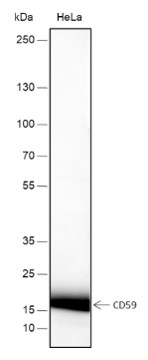 Blocking buffer: 5% NFDM/TBST
Primary ab dilution: 1:2000
Primary ab incubation condition: 2 hours at
room temperature
Secondary ab: Goat Anti-Rabbit IgG H&L
(HRP)
Lysate: HeLa
Protein loading quantity: 20 μg
Exposure time: 60 s
Predicted MW: 14 kDa
Observed MW: 18 kDa
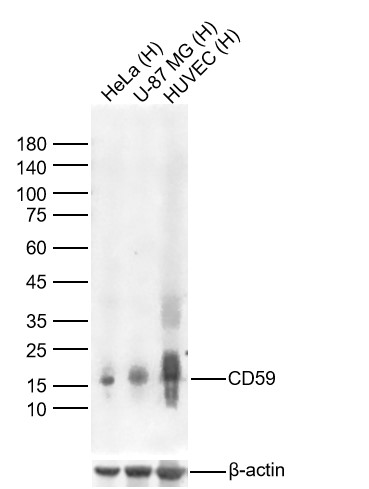 Sample:
Lane 1: Human Hela cell Lysates
Lane 2: Human U-87 MG cell Lysates
Lane 3: Human HUVEC cell Lysates
Primary: Anti-CD59 (SLM-60603R) at 1/1000 dilution
Secondary: IRDye800CW Goat Anti-Rabbit IgG at 1/20000 dilution
Predicted band size: 9kDa
Observed band size: 15kDa
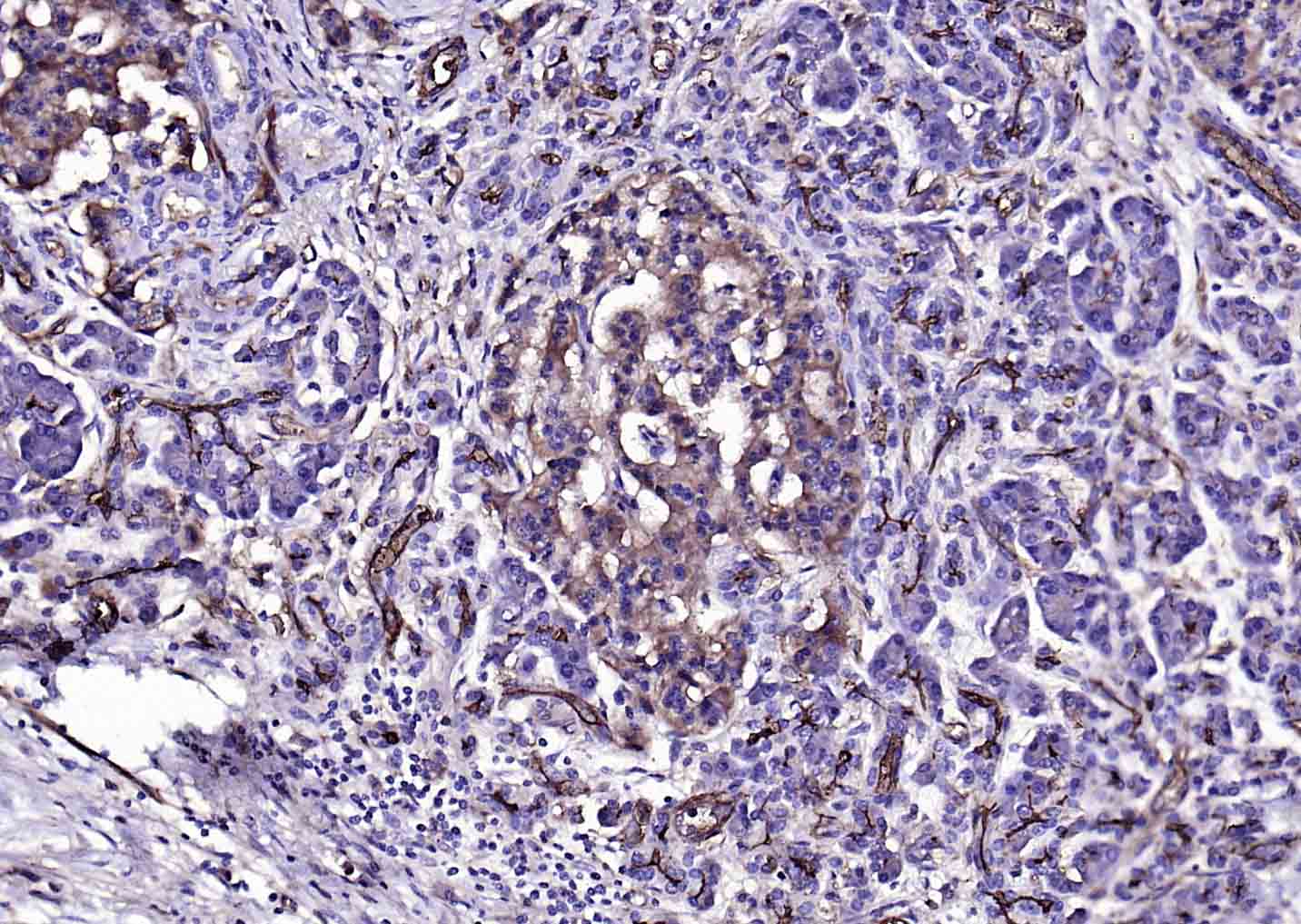 Paraformaldehyde-fixed, paraffin embedded (human pancreatic cancer); Antigen retrieval by boiling in sodium citrate buffer (pH6.0) for 15min; Block endogenous peroxidase by 3% hydrogen peroxide for 20 minutes; Blocking buffer (normal goat serum) at 37°C for 30min; Antibody incubation with (CD59) Monoclonal Antibody, Unconjugated (SLM-60603R) at 1:200 overnight at 4°C, followed by operating according to SP Kit(Rabbit) (sp-0023) instructionsand DAB staining.
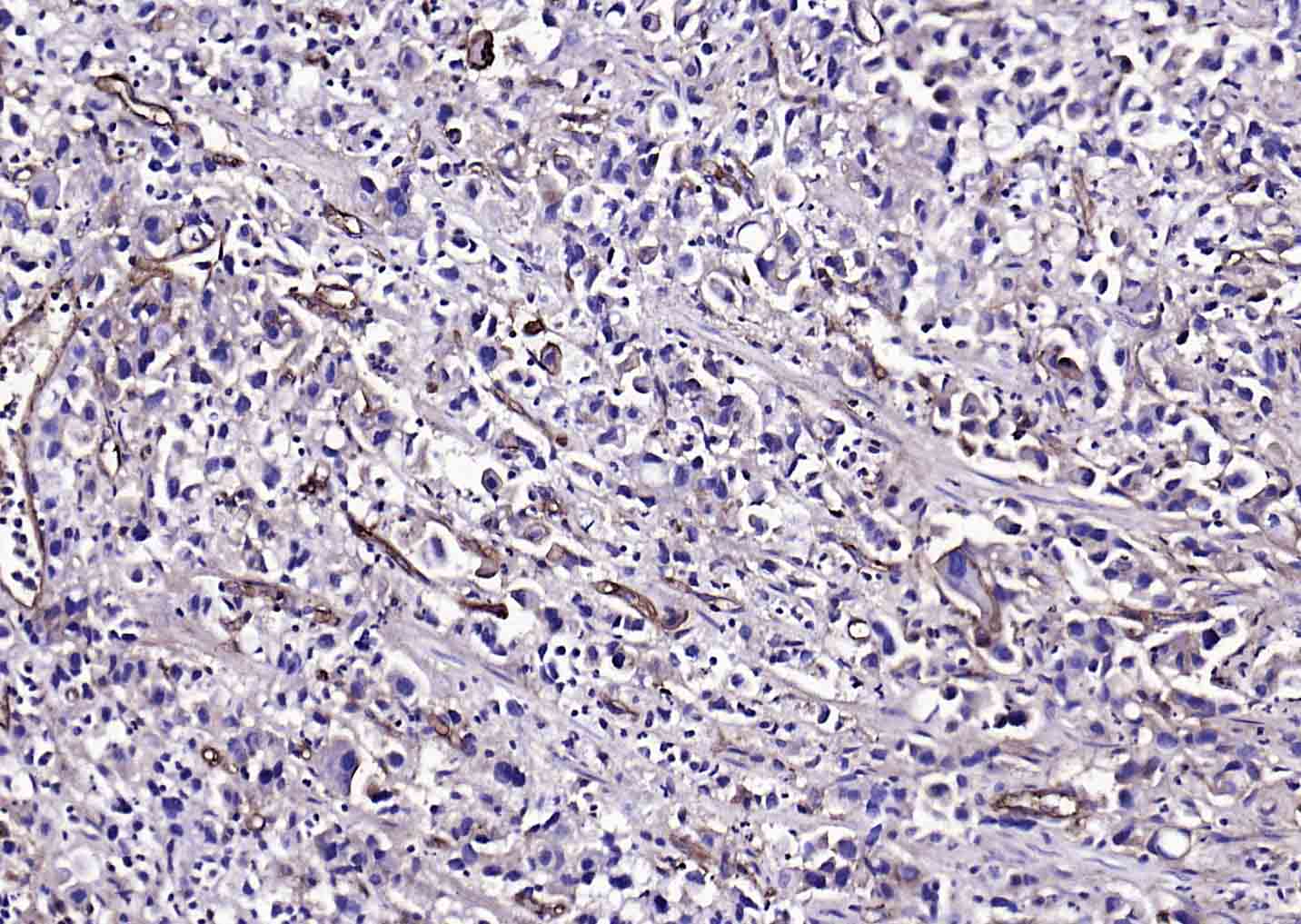 Paraformaldehyde-fixed, paraffin embedded (human gastric carcinoma); Antigen retrieval by boiling in sodium citrate buffer (pH6.0) for 15min; Block endogenous peroxidase by 3% hydrogen peroxide for 20 minutes; Blocking buffer (normal goat serum) at 37°C for 30min; Antibody incubation with (CD59) Monoclonal Antibody, Unconjugated (SLM-60603R) at 1:200 overnight at 4°C, followed by operating according to SP Kit(Rabbit) (sp-0023) instructionsand DAB staining.
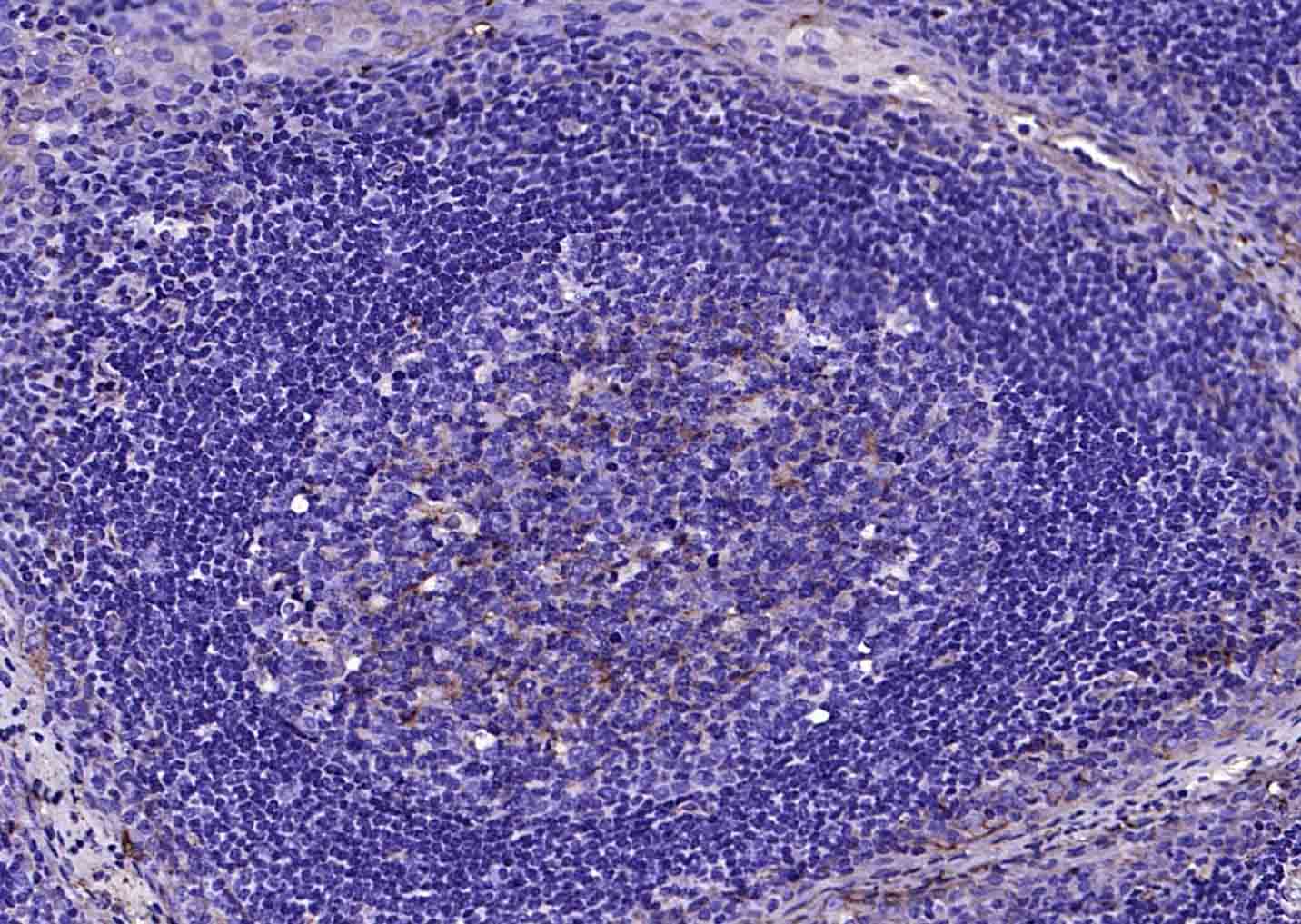 Paraformaldehyde-fixed, paraffin embedded (human tonsil); Antigen retrieval by boiling in sodium citrate buffer (pH6.0) for 15min; Block endogenous peroxidase by 3% hydrogen peroxide for 20 minutes; Blocking buffer (normal goat serum) at 37°C for 30min; Antibody incubation with (CD59) Monoclonal Antibody, Unconjugated (SLM-60603R) at 1:200 overnight at 4°C, followed by operating according to SP Kit(Rabbit) (sp-0023) instructionsand DAB staining.
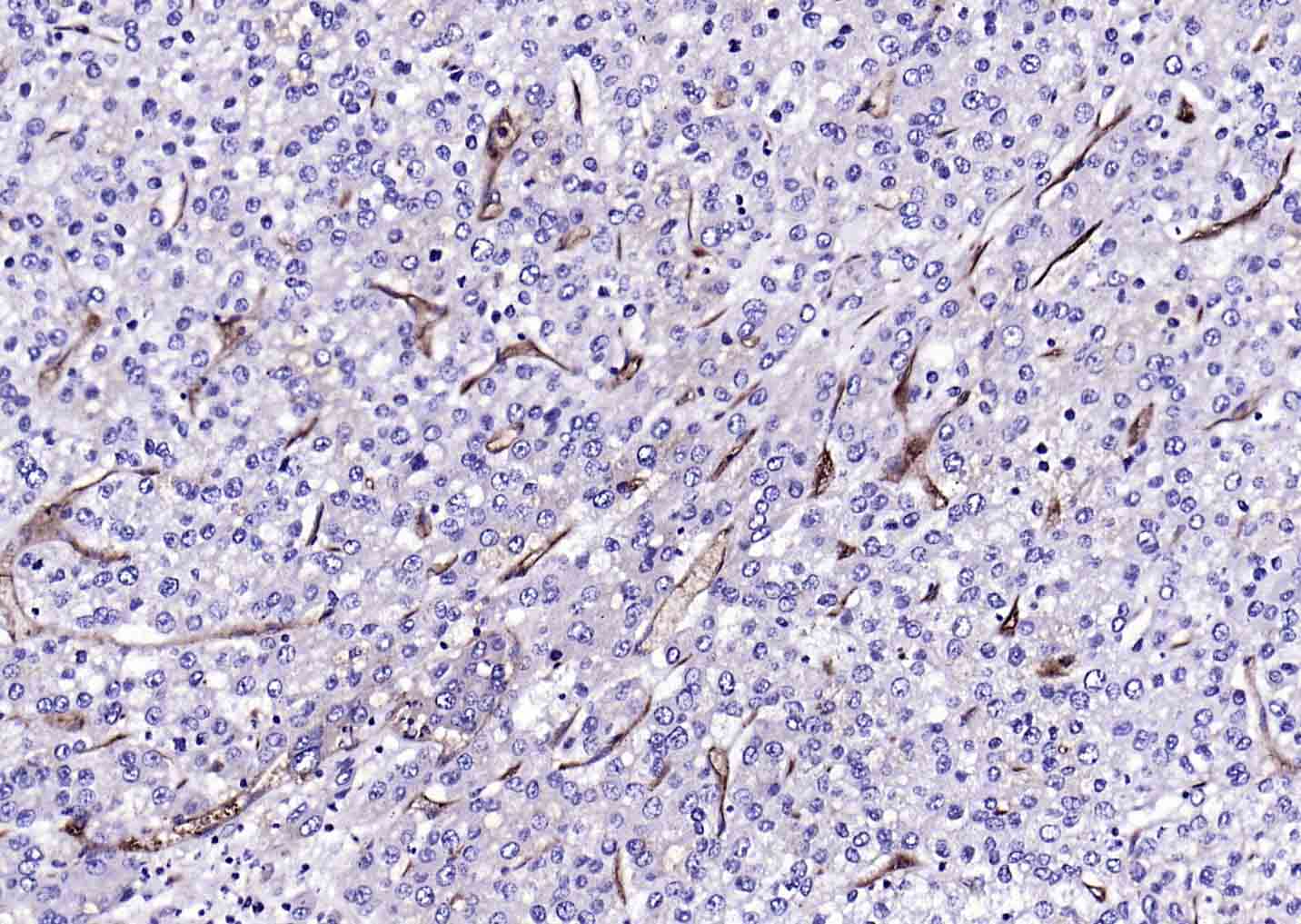 Paraformaldehyde-fixed, paraffin embedded (human liver carcinoma); Antigen retrieval by boiling in sodium citrate buffer (pH6.0) for 15min; Block endogenous peroxidase by 3% hydrogen peroxide for 20 minutes; Blocking buffer (normal goat serum) at 37°C for 30min; Antibody incubation with (CD59) Monoclonal Antibody, Unconjugated (SLM-60603R) at 1:200 overnight at 4°C, followed by operating according to SP Kit(Rabbit) (sp-0023) instructionsand DAB staining.
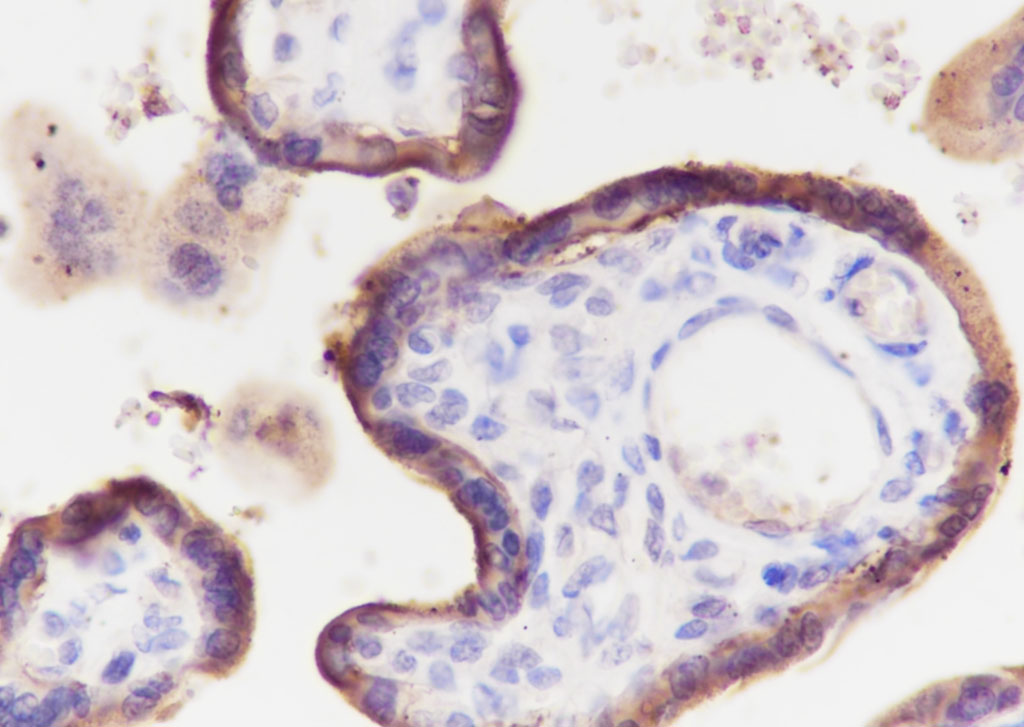 Tissue: Human placenta
Section type: Formalin fixed & Paraffin -embedded section
Retrieval method: High temperature and high pressure
Retrieval buffer: Tris/EDTA buffer, pH 9.0 Primary ab dilution: 1:100
Primary ab incubation condition: 1 hour at room temperature
Secondary ab: SP Kit(Rabbit) (sp-0023)
Counter stain: Hematoxylin (Blue)
Comment: Color brown is the positive signal for SLM-60603R
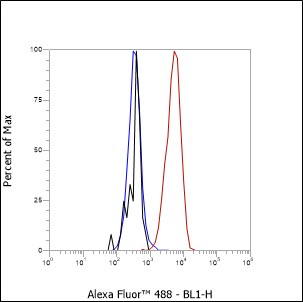 Cell line: PBMC
Fixative: 4% Paraformaldehyde
Permeabilization: 90% Methanol
Primary ab dilution: 1:100
Secondary ab: Goat anti Rabbit IgG
Unlabelled control: The cell without incubation with primary antibody and secondary antibody (Black line).
Isotype control: Rabbit monoclonal IgG (Blue line).
Comment: Line red is the positive signal for SLM-60603R
Cartpieces
Totalgoods,subtotals:¥Checkout
Partial purchase records(bought amounts latest0)
No one bought this product
User Comment(Total0User Comment Num)
- No comment


 +86 571 56623320
 SUNLONG BIOTECH

