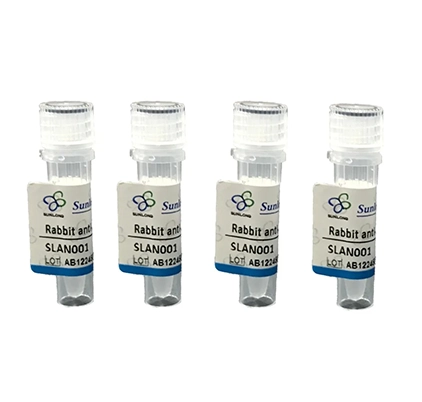
Mouse Anti-Mart-1 antibody
MAR1_HUMAN; Melanoma antigen recognized by T-cells 1; MLANA; MART1; Antigen LB39-AA; Antigen SK29-AA; Protein Melan-A;
View History [Clear]
Details
Product Name Mart-1 Chinese Name 黑色素瘤相关抗原单克隆抗体 Alias MAR1_HUMAN; Melanoma antigen recognized by T-cells 1; MLANA; MART1; Antigen LB39-AA; Antigen SK29-AA; Protein Melan-A; Research Area Tumour Cell biology immunology TumourCell biologyMaker Immunogen Species Mouse Clonality Monoclonal Clone NO. F4D11 React Species Human Applications IHC-P=1:100-500,IHC-F=1:100-500,IF=1:100-500,WB=1:500-2000 (Paraffin sections need antigen repair)
not yet tested in other applications.
optimal dilutions/concentrations should be determined by the end user.Theoretical molecular weight 13kDa Cellular localization cytoplasmic The cell membrane Form Liquid Concentration 1mg/ml immunogen KLH conjugated synthetic peptide derived from human Mart-1 Lsotype IgG Purification affinity purified by Protein A Buffer Solution PBS containing 50% glycerol, 0.5% BSA and 2% sodium azide. Storage Shipped at 4℃. Store at -20 °C for one year. Avoid repeated freeze/thaw cycles. Attention This product as supplied is intended for research use only, not for use in human, therapeutic or diagnostic applications. PubMed PubMed Product Detail Melan A, a product of the MART-1 gene, is a melanocyte differentiation marker recognized by autologous cytotoxic T lymphocytes. Other melanoma-associated markers recognized by autologous cytotoxic T cells are reported to include MAGE-1, MAGE-3, tyrosinase, gp100, gp75, BAGE-1 and GAGE-1. The analysis of these different molecules and their expression in individual melanomas may be of help in the study of their particular molecular roles in melanocyte differentiation and tumorigenesis.
SWISS:
Q16655
Gene ID:
2315
Cartpieces
Totalgoods,subtotals:¥Checkout
Partial purchase records(bought amounts latest0)
No one bought this product
User Comment(Total0User Comment Num)
- No comment


 +86 571 56623320
 SUNLONG BIOTECH

