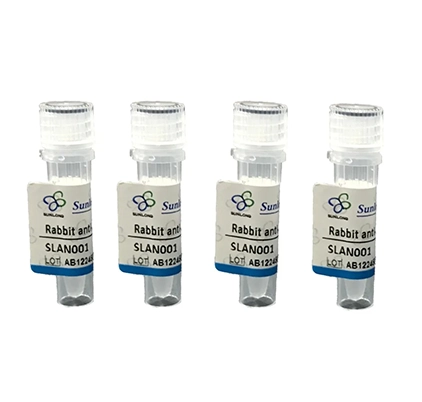
Rabbit Anti-OXR1 antibody
C7; C7B; Gm1238; Nbla00307; Nucleolar protein C7; Oxidation resistance 1; Oxidation resistance protein 1; Oxr1; OXR1_HUMAN; Putative protein product of Nbla00307; rCG_59825.
View History [Clear]
Details
Product Name OXR1 Chinese Name 抗氧化蛋白1抗体 Alias C7; C7B; Gm1238; Nbla00307; Nucleolar protein C7; Oxidation resistance 1; Oxidation resistance protein 1; Oxr1; OXR1_HUMAN; Putative protein product of Nbla00307; rCG_59825. Research Area Cell biology immunology Immunogen Species Rabbit Clonality Polyclonal React Species Human Mouse Rat(predicted:Chicken Dog Pig Cow Horse Rabbit Sheep) Applications WB=1:500-2000,IHC-P=1:100-500,IHC-F=1:100-500,IF=1:100-500 (Paraffin sections need antigen repair)
not yet tested in other applications.
optimal dilutions/concentrations should be determined by the end user.Theoretical molecular weight 98kDa Cellular localization cytoplasmic Form Liquid Concentration 1mg/ml immunogen KLH conjugated synthetic peptide derived from human OXR1: 31-130/874 Lsotype IgG Purification affinity purified by Protein A Buffer Solution Human,Mouse,Rat(predicted:Chicken,Dog,Pig,Cow,Horse,Rabbit,Sheep)1M TBS(pH7.4) with 1% BSA, Human,Mouse,Rat(predicted:Chicken,Dog,Pig,Cow,Horse,Rabbit,Sheep)3% Proclin300 and 50% Glycerol. Storage Shipped at 4℃. Store at -20 °C for one year. Avoid repeated freeze/thaw cycles. Attention This product as supplied is intended for research use only, not for use in human, therapeutic or diagnostic applications. PubMed PubMed Product Detail Reactive oxygen species (ROS) are highly reactive molecules that are a normal consequence of aerobic metabolism. Cellular ROS damage can induce apoptosis and spontaneous mutagenesis. Oxr1 (Oxidation resistance protein 1) is a 758 amino acid mitochondrial protein that is most likely involved in protection from oxidative damage. Oxr1 is highly conserved from yeast to humans and is specific to eukaryotes.Induced by heat and oxidative stress, the carboxyl-terminal half of Oxr1 is required for its function. Upregulation of superoxide dismutase and catalase was observed in developing drosophila mutants that lacked the gene encoding Oxr1, suggesting that oxidative stress may trigger compensatory protein expression. There are four isoforms of Oxr1 that are produced as a result of alternative splicing events.
Function:
May be involved in protection from oxidative damage.
Subcellular Location:
Mitochondrion.
Post-translational modifications:
Phosphorylated upon DNA damage, probably by ATM or ATR.
Similarity:
Belongs to the OXR1 family.
Contains 1 GRAM domain.
Contains 1 LysM repeat.
Contains 1 TLD domain.
SWISS:
Q8N573
Gene ID:
55074
Database links:Entrez Gene: 55074 Human
Entrez Gene: 170719 Mouse
Omim: 605609 Human
SwissProt: Q8N573 Human
SwissProt: Q4KMM3 Mouse
Unigene: 127286 Human
Unigene: 740427 Human
Unigene: 254267 Mouse
Unigene: 4252 Rat
Product Picture 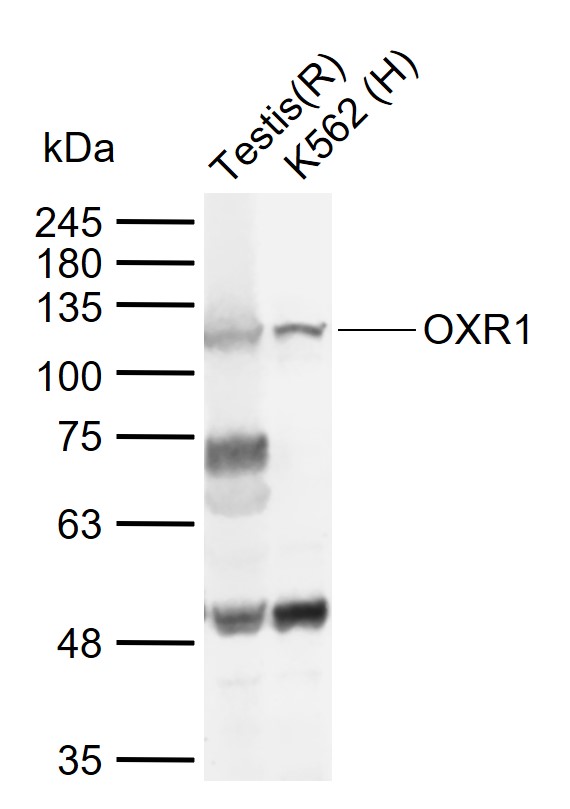 Sample:
Lane 1: Rat Testis tissue lysates
Lane 2: Human K562 cell lysates
Primary: Anti-OXR1 (SL17578R) at 1/1000 dilution
Secondary: IRDye800CW Goat Anti-Rabbit IgG at 1/20000 dilution
Predicted band size: 98 kDa
Observed band size: 125 kDa
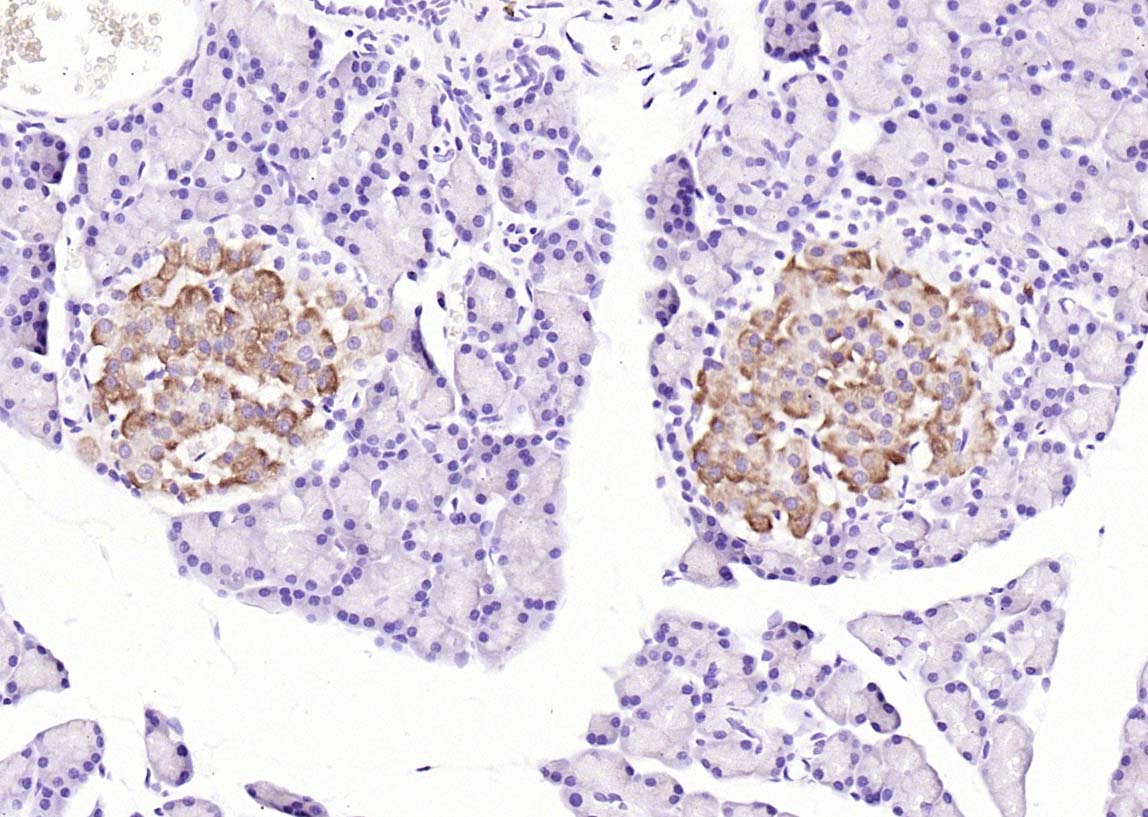 Paraformaldehyde-fixed, paraffin embedded (mouse pancreas ); Antigen retrieval by boiling in sodium citrate buffer (pH6.0) for 15min; Block endogenous peroxidase by 3% hydrogen peroxide for 20 minutes; Blocking buffer (normal goat serum) at 37°C for 30min; Antibody incubation with (OXR1) Polyclonal Antibody, Unconjugated (SL17578R) at 1:200 overnight at 4°C, followed by operating according to SP Kit(Rabbit) (sp-0023) instructionsand DAB staining.
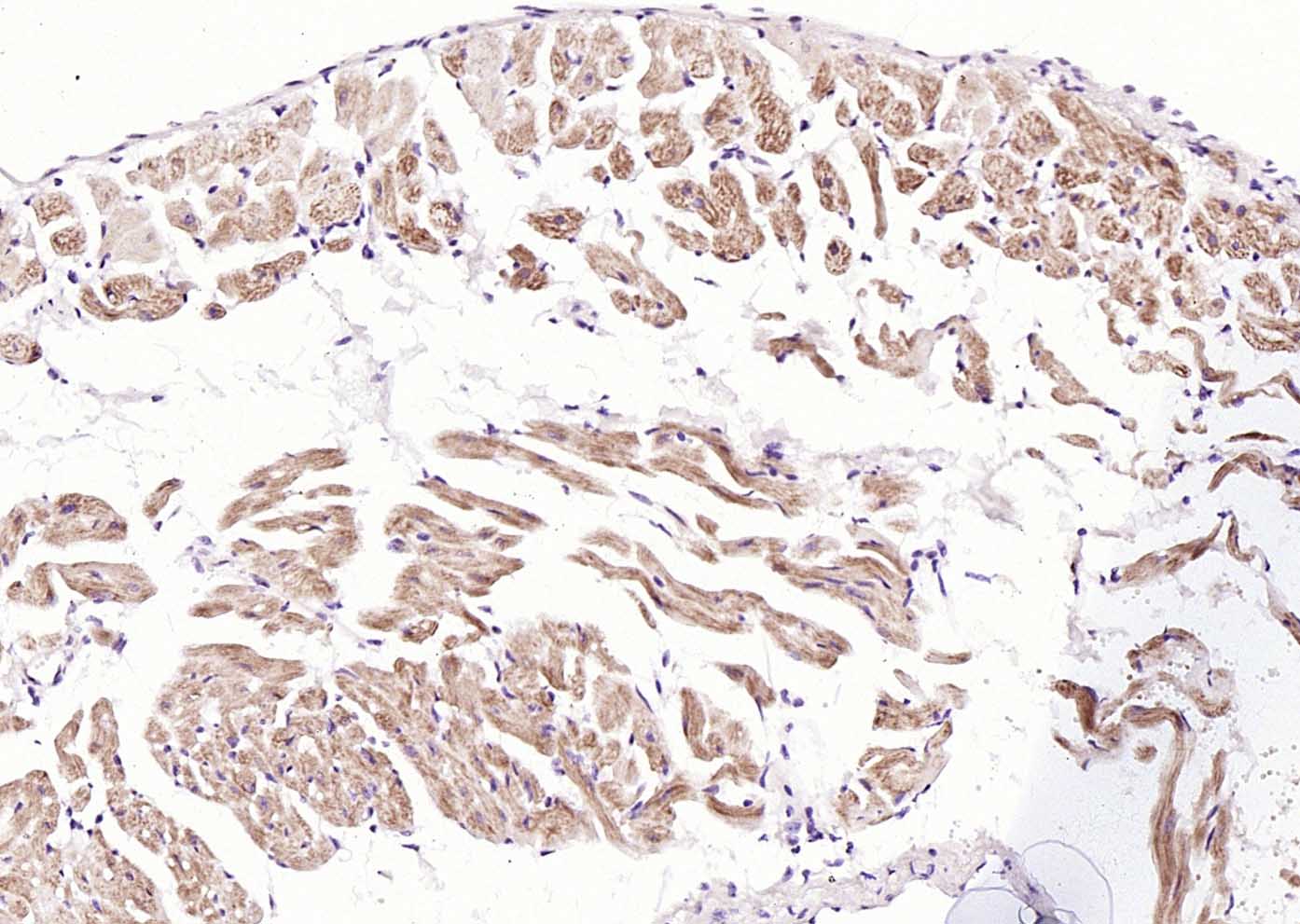 Paraformaldehyde-fixed, paraffin embedded (mouse heart ); Antigen retrieval by boiling in sodium citrate buffer (pH6.0) for 15min; Block endogenous peroxidase by 3% hydrogen peroxide for 20 minutes; Blocking buffer (normal goat serum) at 37°C for 30min; Antibody incubation with (OXR1) Polyclonal Antibody, Unconjugated (SL17578R) at 1:200 overnight at 4°C, followed by operating according to SP Kit(Rabbit) (sp-0023) instructionsand DAB staining.
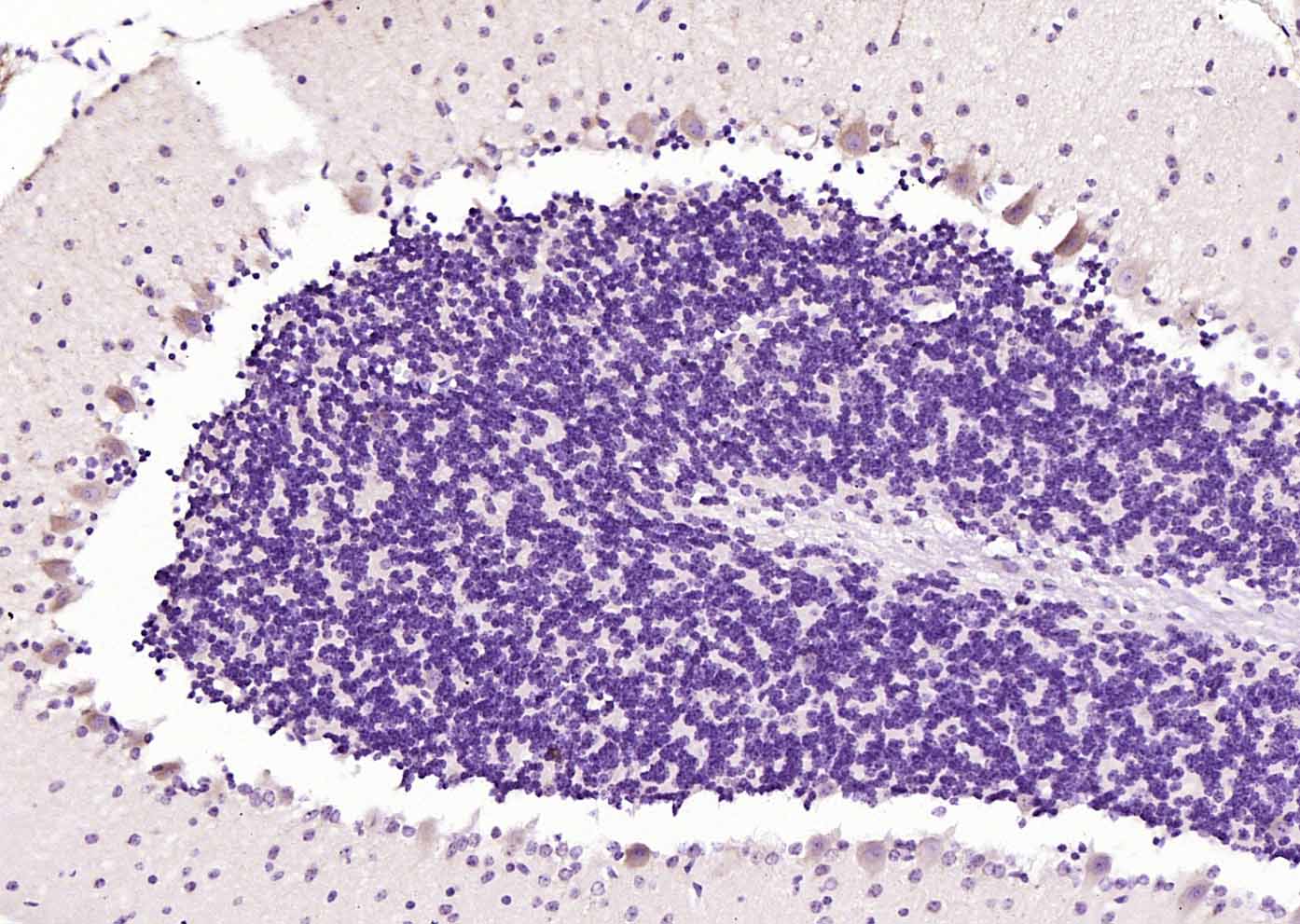 Paraformaldehyde-fixed, paraffin embedded (mouse cerebellum); Antigen retrieval by boiling in sodium citrate buffer (pH6.0) for 15min; Block endogenous peroxidase by 3% hydrogen peroxide for 20 minutes; Blocking buffer (normal goat serum) at 37°C for 30min; Antibody incubation with (OXR1) Polyclonal Antibody, Unconjugated (SL17578R) at 1:200 overnight at 4°C, followed by operating according to SP Kit(Rabbit) (sp-0023) instructionsand DAB staining.
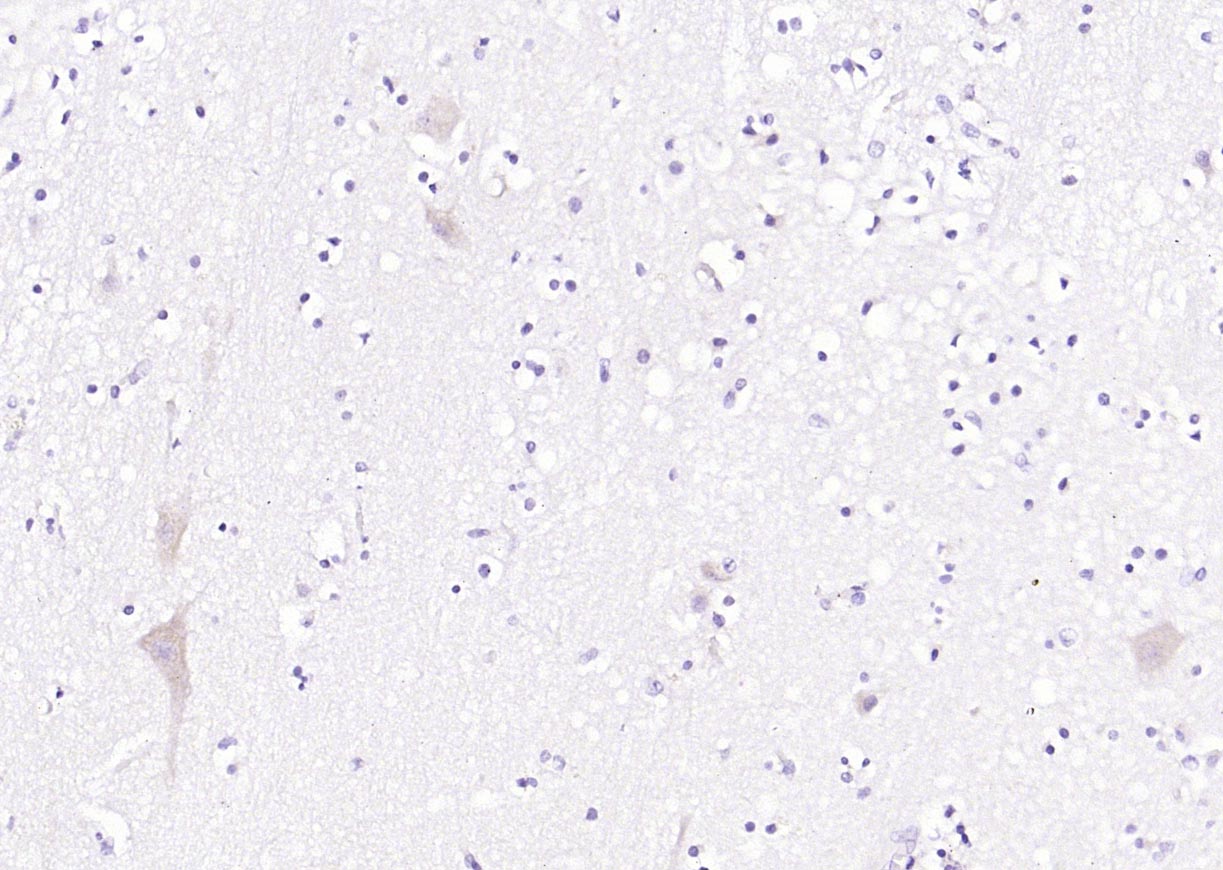 Paraformaldehyde-fixed, paraffin embedded (human brain); Antigen retrieval by boiling in sodium citrate buffer (pH6.0) for 15min; Block endogenous peroxidase by 3% hydrogen peroxide for 20 minutes; Blocking buffer (normal goat serum) at 37°C for 30min; Antibody incubation with (OXR1) Polyclonal Antibody, Unconjugated (SL17578R) at 1:200 overnight at 4°C, followed by operating according to SP Kit(Rabbit) (sp-0023) instructionsand DAB staining.
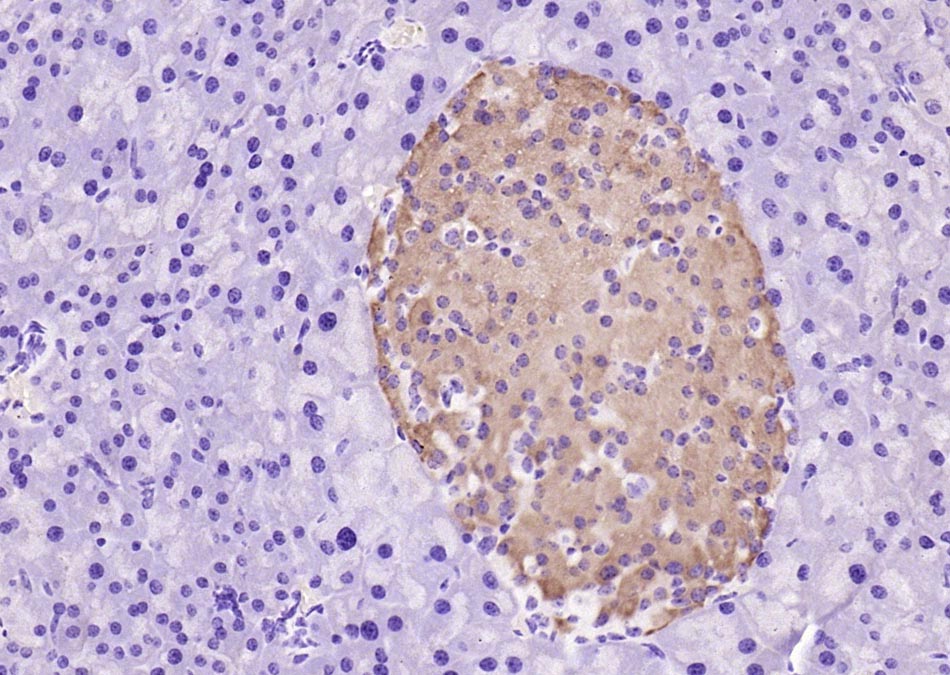 Paraformaldehyde-fixed, paraffin embedded (rat pancreas); Antigen retrieval by boiling in sodium citrate buffer (pH6.0) for 15min; Block endogenous peroxidase by 3% hydrogen peroxide for 20 minutes; Blocking buffer (normal goat serum) at 37°C for 30min; Antibody incubation with (OXR1) Polyclonal Antibody, Unconjugated (SL17578R) at 1:200 overnight at 4°C, followed by operating according to SP Kit(Rabbit) (sp-0023) instructionsand DAB staining.
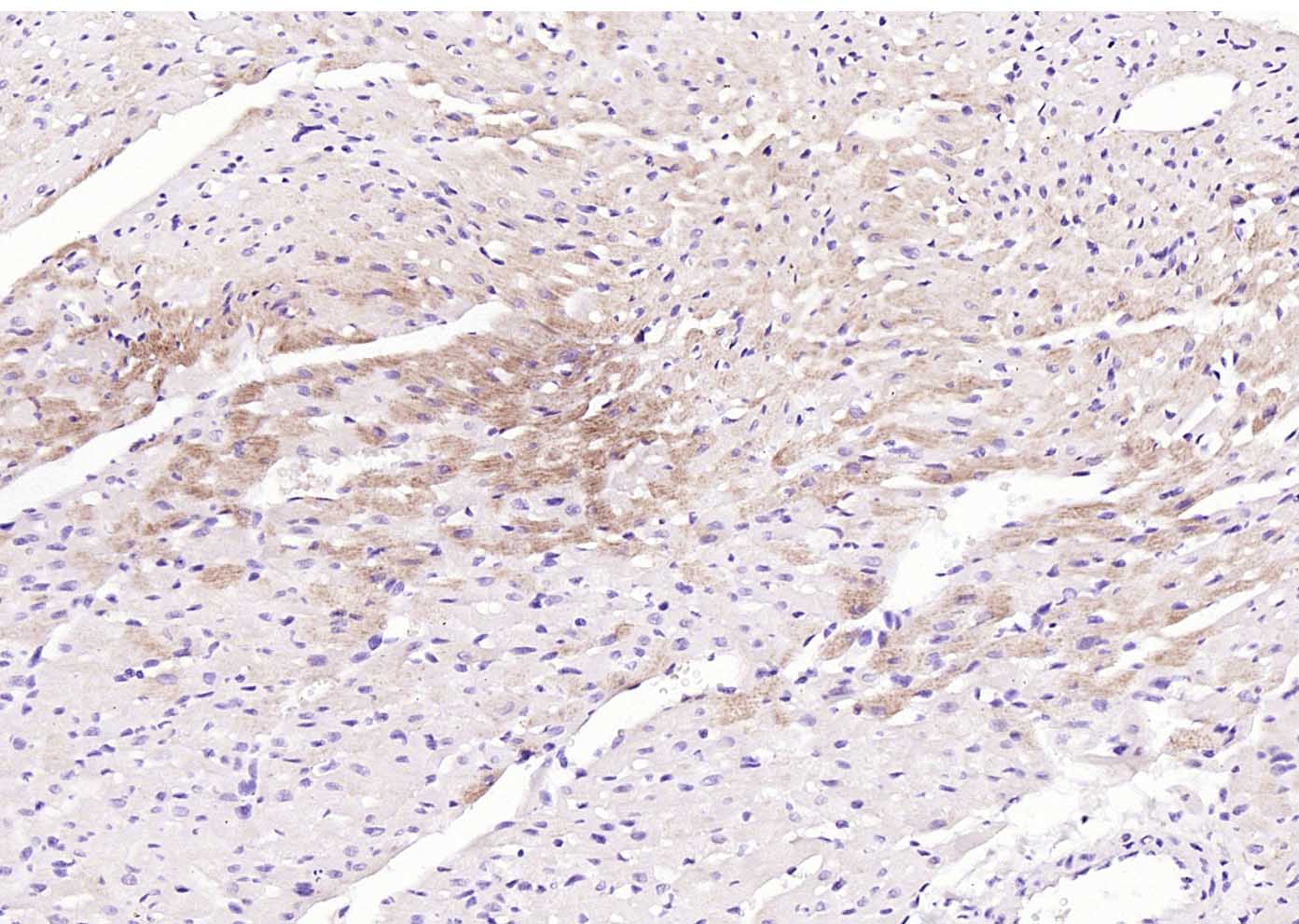 Paraformaldehyde-fixed, paraffin embedded (rat heart); Antigen retrieval by boiling in sodium citrate buffer (pH6.0) for 15min; Block endogenous peroxidase by 3% hydrogen peroxide for 20 minutes; Blocking buffer (normal goat serum) at 37°C for 30min; Antibody incubation with (OXR1) Polyclonal Antibody, Unconjugated (SL17578R) at 1:200 overnight at 4°C, followed by operating according to SP Kit(Rabbit) (sp-0023) instructionsand DAB staining.
Cartpieces
Totalgoods,subtotals:¥Checkout
Partial purchase records(bought amounts latest0)
No one bought this product
User Comment(Total0User Comment Num)
- No comment


 +86 571 56623320
 SUNLONG BIOTECH

