
Details
Product Name Recombinant Rabbit Anti-GYPA Monoclonal Antibody Cat No. SLA0366M Chinese Name 人CD235a (GYPA)单克隆抗体 Alias CD235a; GPA; GPErik; GPSAT; HGpMiV; HGpMiXI; HGpSta(C); MN; MNS; PAS-2; GLPA_HUMAN; GYPA; MN sialoglycoprotein; Sialoglycoprotein alpha; GLPA_MOUSE; glycophorin A (MNS blood group); glycophorin A (includes MN blood group); glycophorin A (MN blood group); glycophorinA Host Species Mouse Isotype IgG1, Kappa Clonality Monoclonal Clone No. 6F7 React Species Human Applications IHC-P (1:100-500)
IHC-F (1:100-500)
IF (1:100-500)
Flow-Cyt (1:50-100)
Not yet tested in other applications.
Optimal working dilutions must be determined by the end user.Purification affinity purified by Protein G Concentration 1mg/ml Predicted MW. 14 kDa Observed MW. 51 kDa Subcellular Location Membrane Storage 0.01M TBS (pH7.4) with 1% BSA, 0.02% Proclin300 and 50% Glycerol.
Shipped at 4℃. Store at -20℃ for one year. Avoid repeated freeze/thaw cycles.Background Glycophorins A (GYPA) and B (GYPB) are major sialoglycoproteins of the human erythrocyte membrane which bear the antigenic determinants for the MN and Ss blood groups. In addition to the M or N and S or s antigens that commonly occur in all populations, about 40 related variant phenotypes have been identified. These variants include all the variants of the Miltenberger complex and several isoforms of Sta, as well as Dantu, Sat, He, Mg, and deletion variants Ena, S-s-U- and Mk. Most of the variants are the result of gene recombinations between GYPA and GYPB. [provided by RefSeq, Jul 2008] Attention This product as supplied is intended for research use only, not for use in human, therapeutic or diagnostic applications.
Validation Images
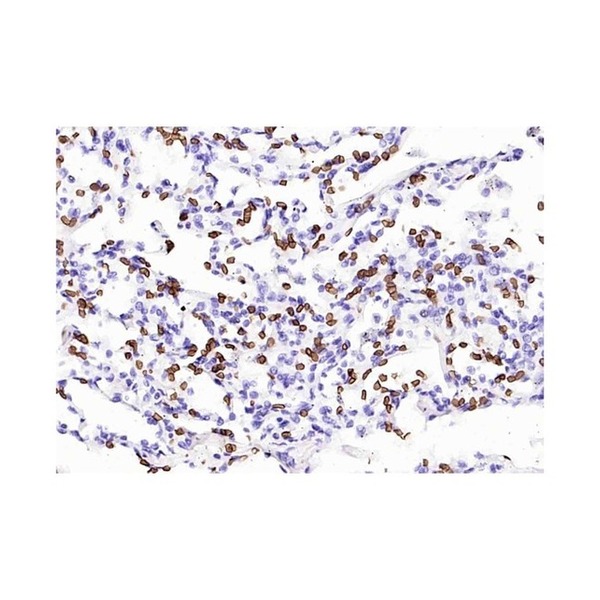
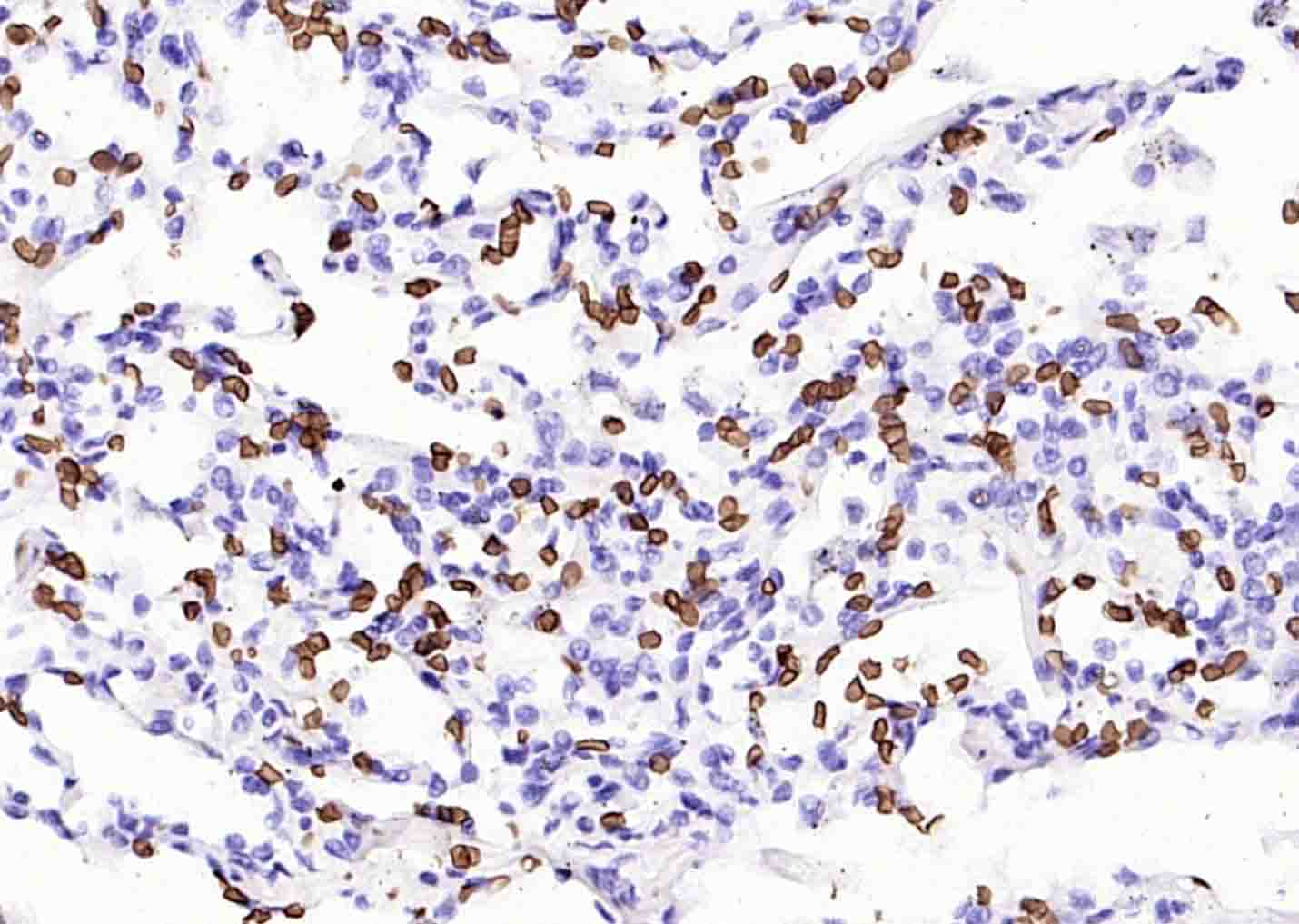
Figure 1. Paraformaldehyde-fixed, paraffin embedded (human lung); Antigen retrieval by boiling in sodium citrate buffer (pH6.0) for 15min; Block endogenous peroxidase by 3% hydrogen peroxide for 20 minutes; Blocking buffer (normal goat serum) at 37°C for 30min; Incubation with (human CD235a (GYPA)) Monoclonal Antibody, Unconjugated (SLA0366M) at 1:200 overnight at 4°C, followed by operating according to SP Kit(Mouse)(sp-0024) instructionsand DAB staining.
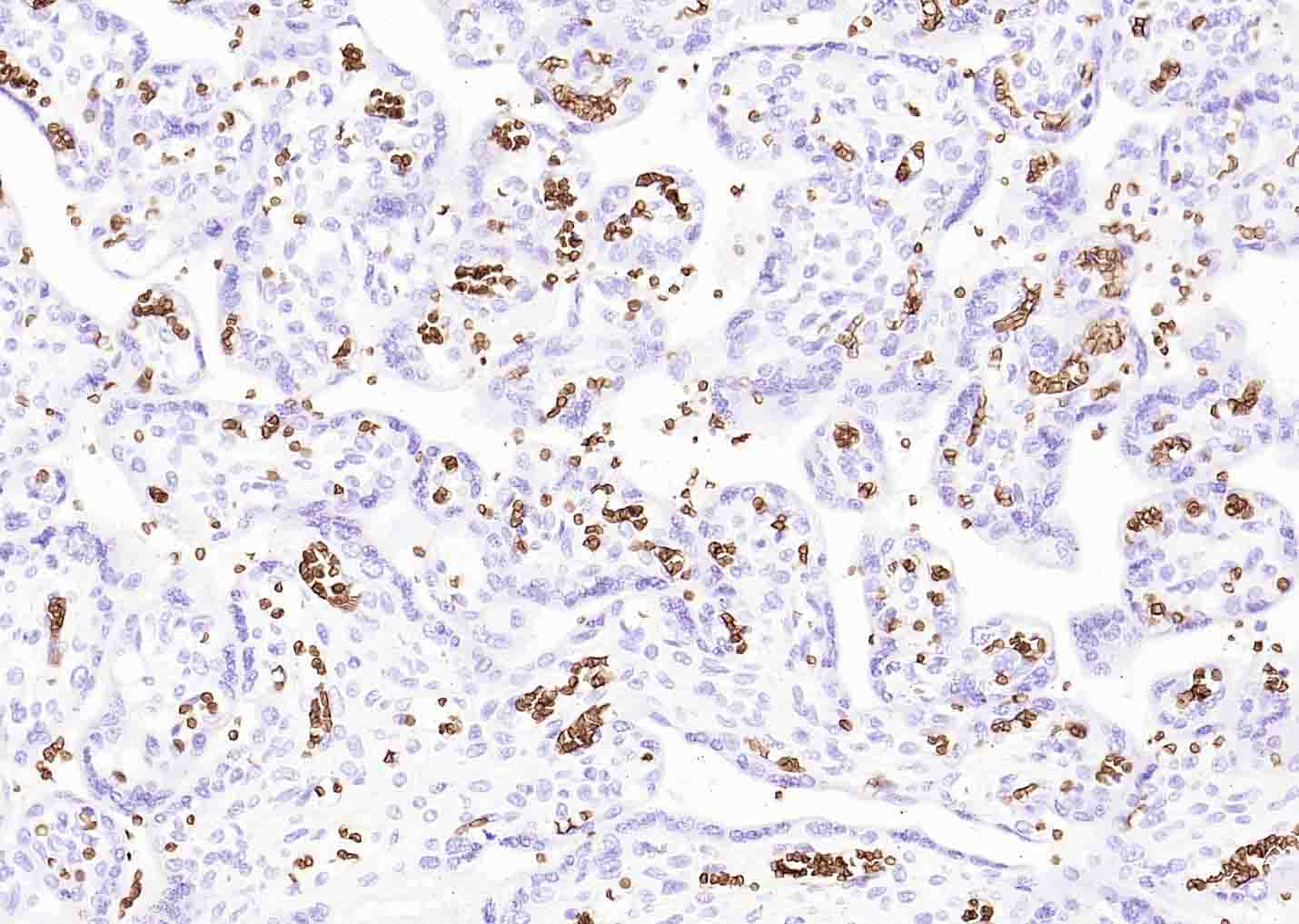
Figure 2. Paraformaldehyde-fixed, paraffin embedded (human placenta); Antigen retrieval by boiling in sodium citrate buffer (pH6.0) for 15min; Block endogenous peroxidase by 3% hydrogen peroxide for 20 minutes; Blocking buffer (normal goat serum) at 37°C for 30min; Incubation with (human CD235a (GYPA)) Monoclonal Antibody, Unconjugated (SLA0366M) at 1:200 overnight at 4°C, followed by operating according to SP Kit(Mouse)(sp-0024) instructionsand DAB staining.
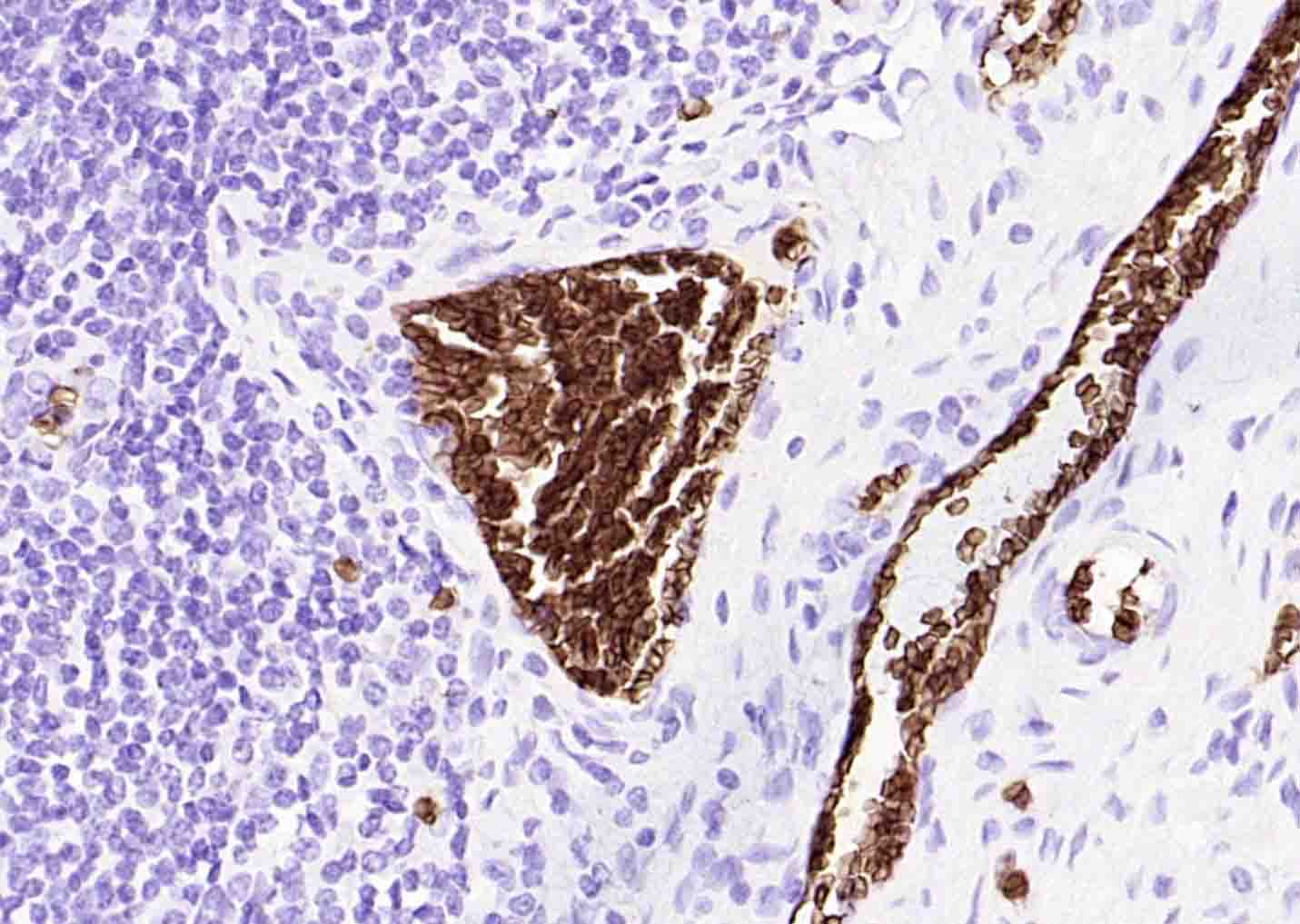
Figure 3. Paraformaldehyde-fixed, paraffin embedded (human tonsil); Antigen retrieval by boiling in sodium citrate buffer (pH6.0) for 15min; Block endogenous peroxidase by 3% hydrogen peroxide for 20 minutes; Blocking buffer (normal goat serum) at 37°C for 30min; Incubation with (human CD235a (GYPA)) Monoclonal Antibody, Unconjugated (SLA0366M) at 1:200 overnight at 4°C, followed by operating according to SP Kit(Mouse)(sp-0024) instructionsand DAB staining.
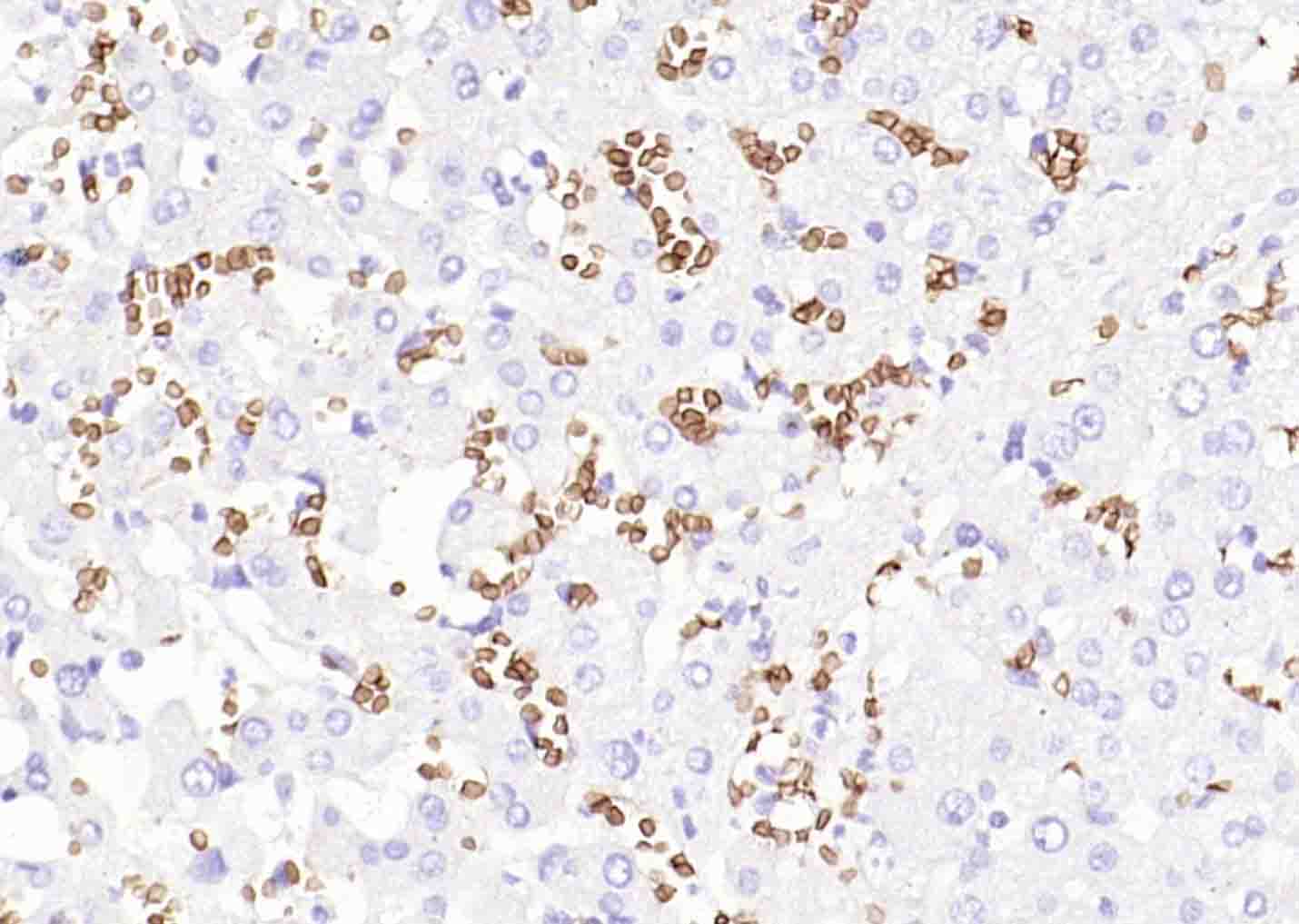
Figure 4. Paraformaldehyde-fixed, paraffin embedded (human liver); Antigen retrieval by boiling in sodium citrate buffer (pH6.0) for 15min; Block endogenous peroxidase by 3% hydrogen peroxide for 20 minutes; Blocking buffer (normal goat serum) at 37°C for 30min; Incubation with (human CD235a (GYPA)) Monoclonal Antibody, Unconjugated (SLA0366M) at 1:200 overnight at 4°C, followed by operating according to SP Kit(Mouse)(sp-0024) instructionsand DAB staining.
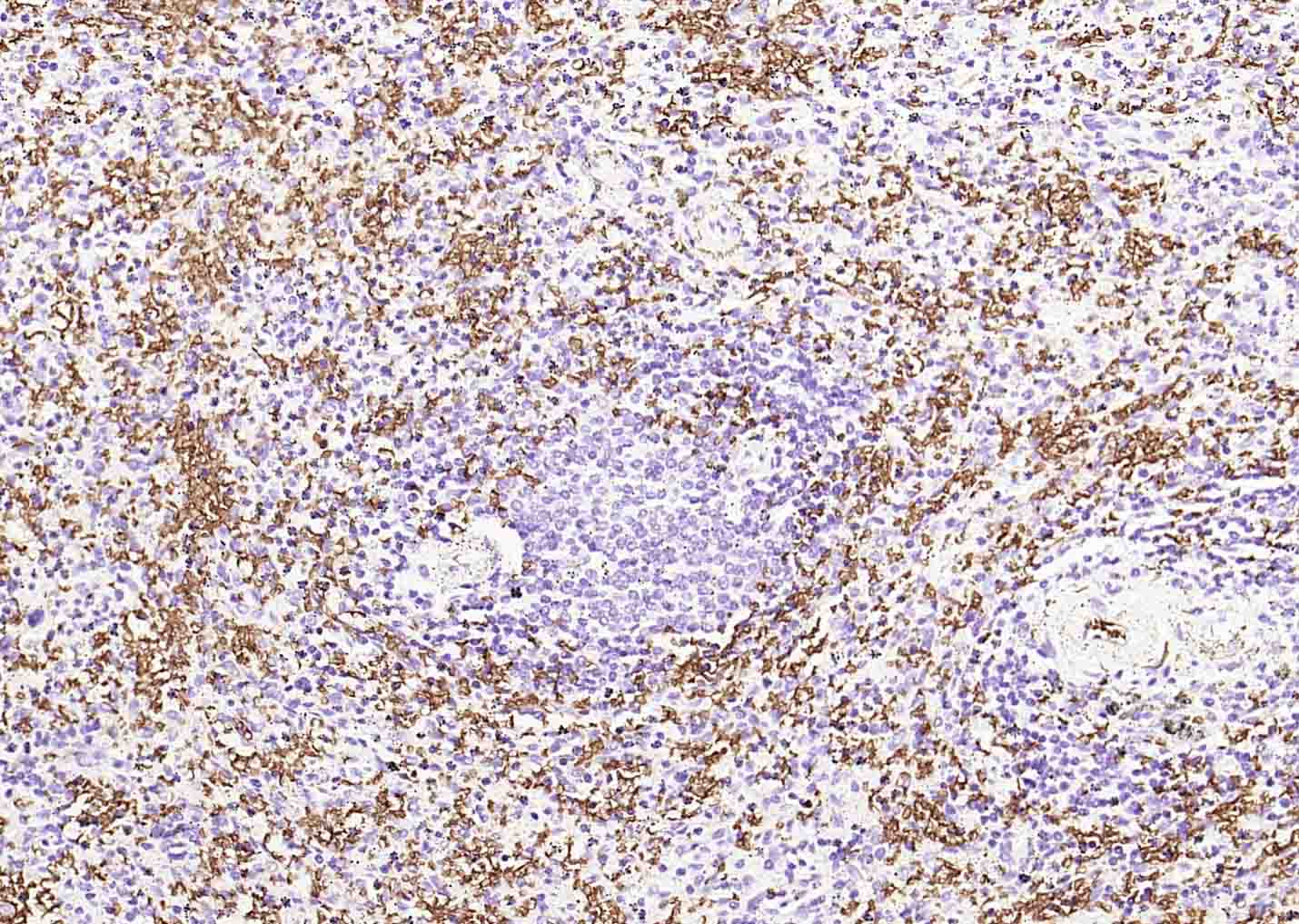
Figure 5. Paraformaldehyde-fixed, paraffin embedded (human spleen); Antigen retrieval by boiling in sodium citrate buffer (pH6.0) for 15min; Block endogenous peroxidase by 3% hydrogen peroxide for 20 minutes; Blocking buffer (normal goat serum) at 37°C for 30min; Incubation with (human CD235a (GYPA)) Monoclonal Antibody, Unconjugated (SLA0366M) at 1:200 overnight at 4°C, followed by operating according to SP Kit(Mouse)(sp-0024) instructionsand DAB staining.
FOR RESEARCH USE ONLY. Not for use in diagnostic or therapeutic procedures.
Partial purchase records(bought amounts latest0)
User Comment(Total0User Comment Num)
- No comment


 +86 571 56623320

 SUNLONG BIOTECH


