Details
Product Name Recombinant Rabbit Anti-TGF-beta-1&beta-3 Monoclonal Antibody Cat No. SLA0970M Chinese Name 转化生长因子β1/3抗体 Alias CED; DPD1; IBDIMDE; LAP; TGF-beta1; TGFB; TGFbeta; TGFbeta1; Tgfb-1; TGFB1_HUMAN; TGFB1; TGFB1_MOUSE; TGFB1_RAT; transforming growth factor beta 1; transforming growth factor, beta 1; Camurati-Engelmann disease; prepro-transforming growth factor beta-1; Diaphyseal dysplasia 1, progressive Host Species Rabbit Isotype IgG Clonality Monoclonal Clone No. 4H12 React Species Human,Mouse,Rat Applications WB (1:500-2000)
IHC-P (1:50-200)
IHC-F (1:50-200)
IF (1:50-200)
ELISA (1:5000-10000)
Not yet tested in other applications.
Optimal working dilutions must be determined by the end user.Immunogen LH conjugated synthetic peptide derived from human TGF Beta 1 Purification affinity purified by Protein A Concentration 1mg/ml Predicted MW. 44 kDa Observed MW. 50,12 kDa Subcellular Location Extracellular Gene ID 7040 Swiss-Prot P01137 Storage 0.01M TBS (pH7.4) with 1% BSA, 0.02% Proclin300 and 50% Glycerol.
Shipped at 4℃. Store at -20℃ for one year. Avoid repeated freeze/thaw cycles.Background This gene encodes a member of the transforming growth factor beta (TGFB) family of cytokines, which are multifunctional peptides that regulate proliferation, differentiation, adhesion, migration, and other functions in many cell types. Many cells have TGFB receptors, and the protein positively and negatively regulates many other growth factors. The secreted protein is cleaved into a latency-associated peptide (LAP) and a mature TGFB1 peptide, and is found in either a latent form composed of a TGFB1 homodimer, a LAP homodimer, and a latent TGFB1-binding protein, or in an active form composed of a TGFB1 homodimer. The mature peptide may also form heterodimers with other TGFB family members. This gene is frequently upregulated in tumor cells, and mutations in this gene result in Camurati-Engelmann disease. Attention This product as supplied is intended for research use only, not for use in human, therapeutic or diagnostic applications.
Validation Images
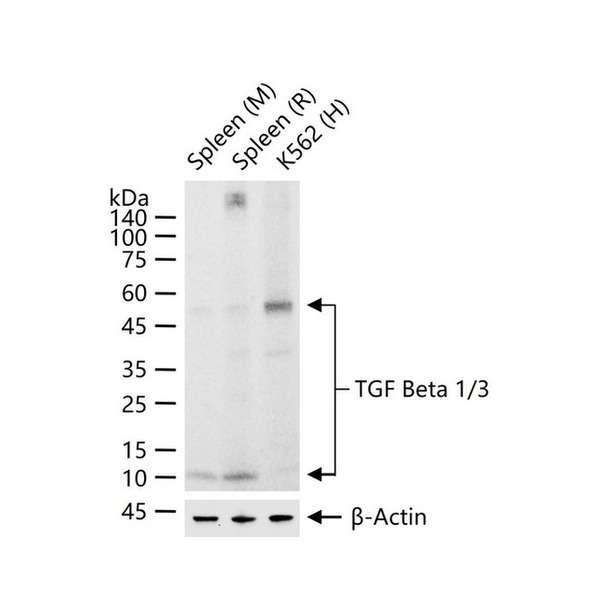
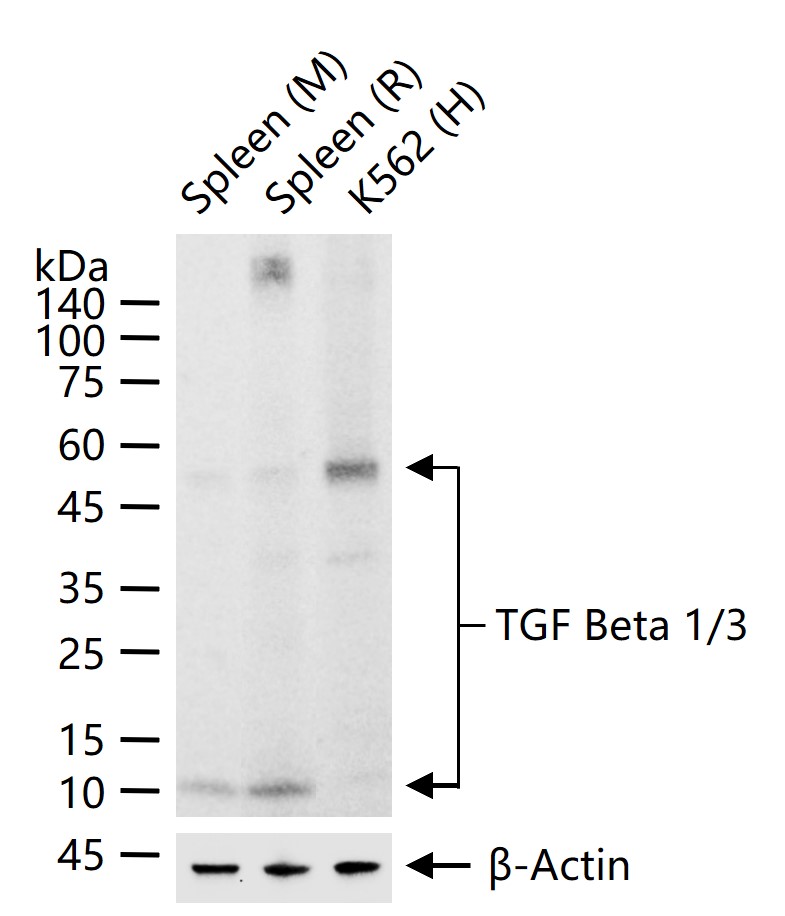
Figure 1. 25 ug total protein per lane of various lysates (see on figure) probed with TGF Beta 1/3 monoclonal antibody, unconjugated (SLA0970M) at 1:1000 dilution and 4°C overnight incubation. Followed by conjugated secondary antibody incubation at r.t. for 60 min.
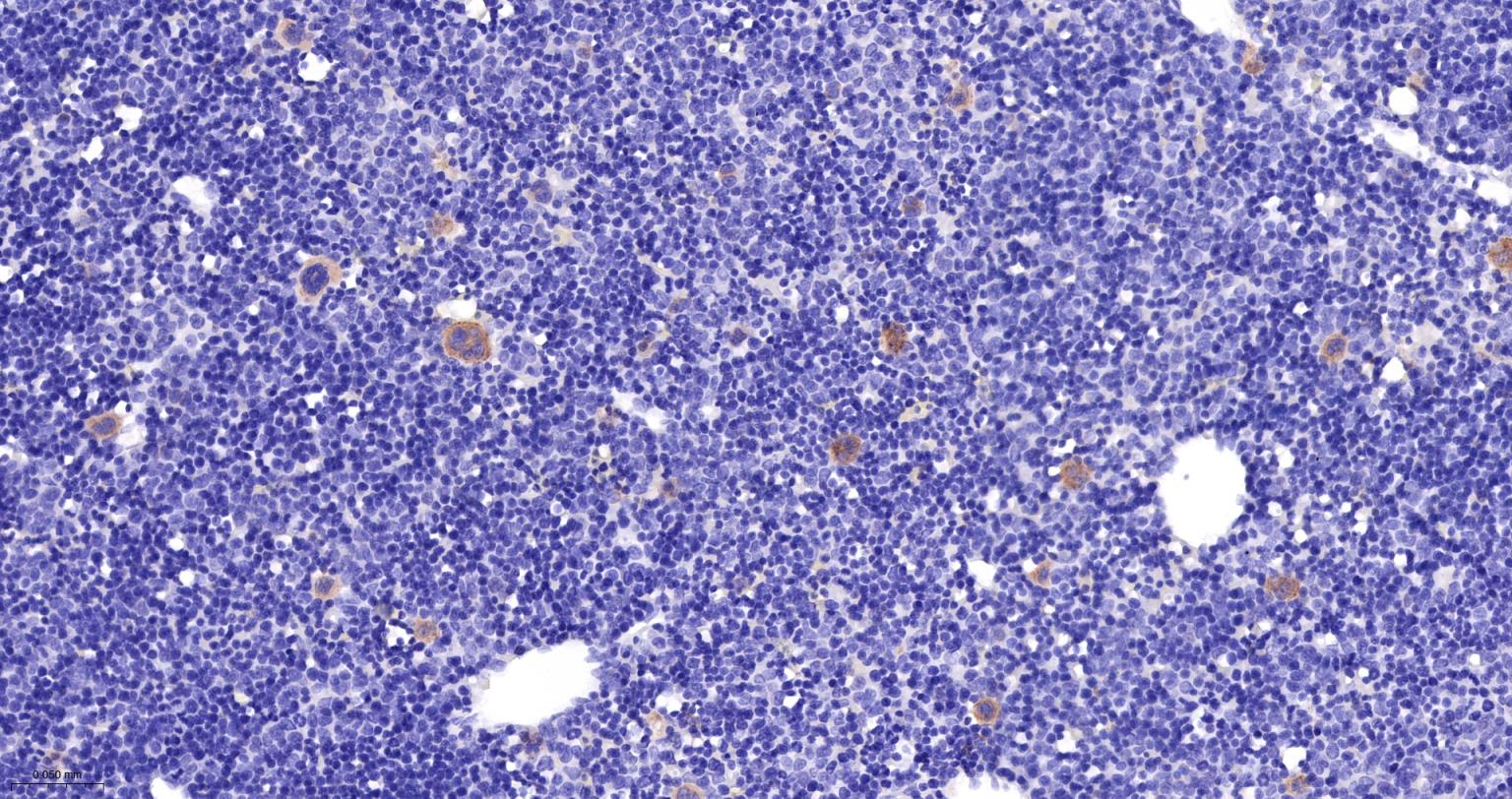
Figure 2. Paraformaldehyde-fixed, paraffin embedded Mouse Embryo; Antigen retrieval by boiling in sodium citrate buffer (pH6.0) for 15 min; The section was incubated with TGF Beta 1/3 Monoclonal Antibody, Unconjugated (SLA0970M) at 1:200 overnight at 4°C, followed by conjugation to the SL0295G-HRP and DAB (C-0010) staining.
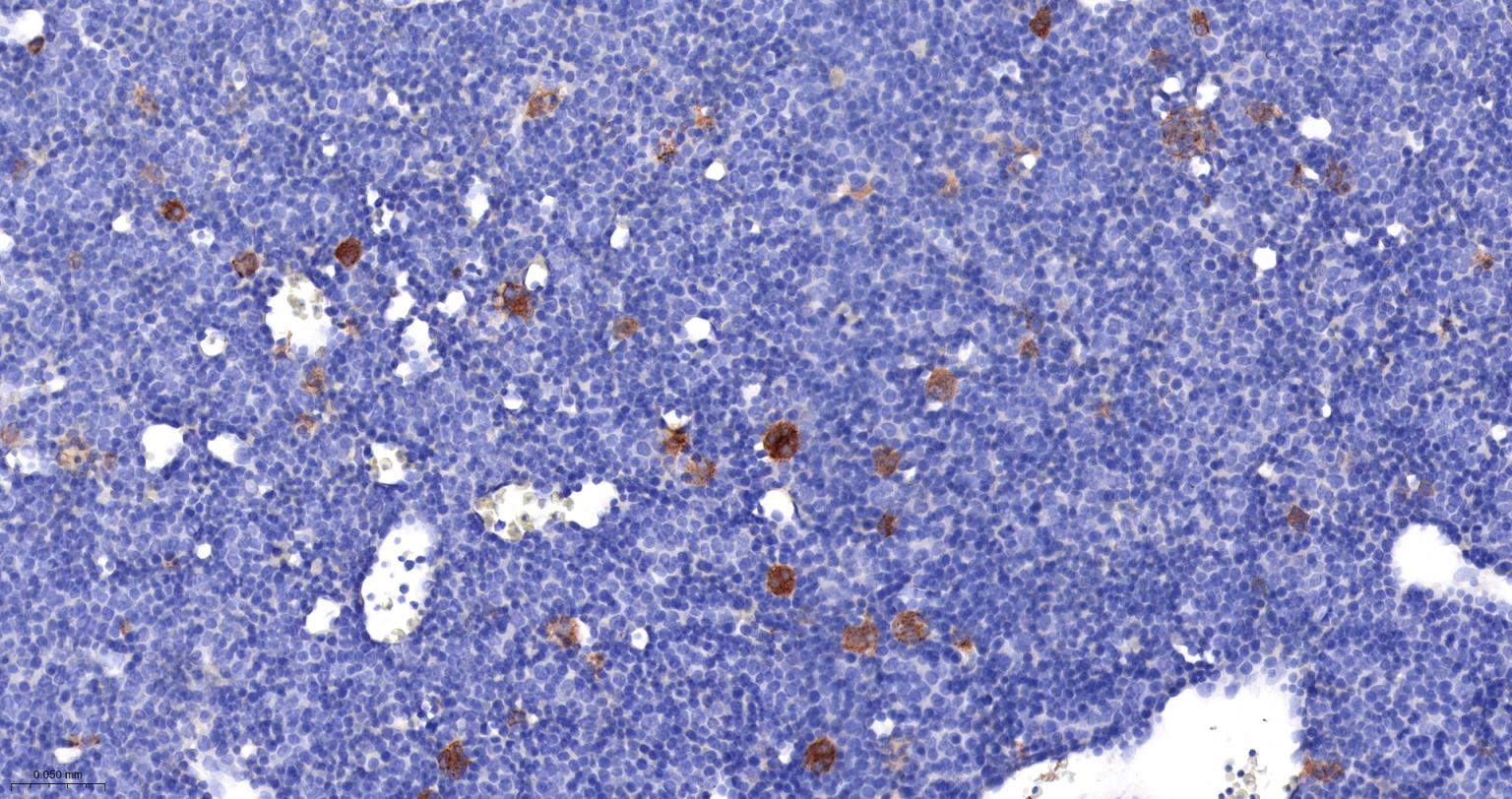
Figure 3. Paraformaldehyde-fixed, paraffin embedded Rat Embryo; Antigen retrieval by boiling in sodium citrate buffer (pH6.0) for 15 min; The section was incubated with TGF Beta 1/3 Monoclonal Antibody, Unconjugated (SLA0970M) at 1:200 overnight at 4°C, followed by conjugation to the SL0295G-HRP and DAB (C-0010) staining.
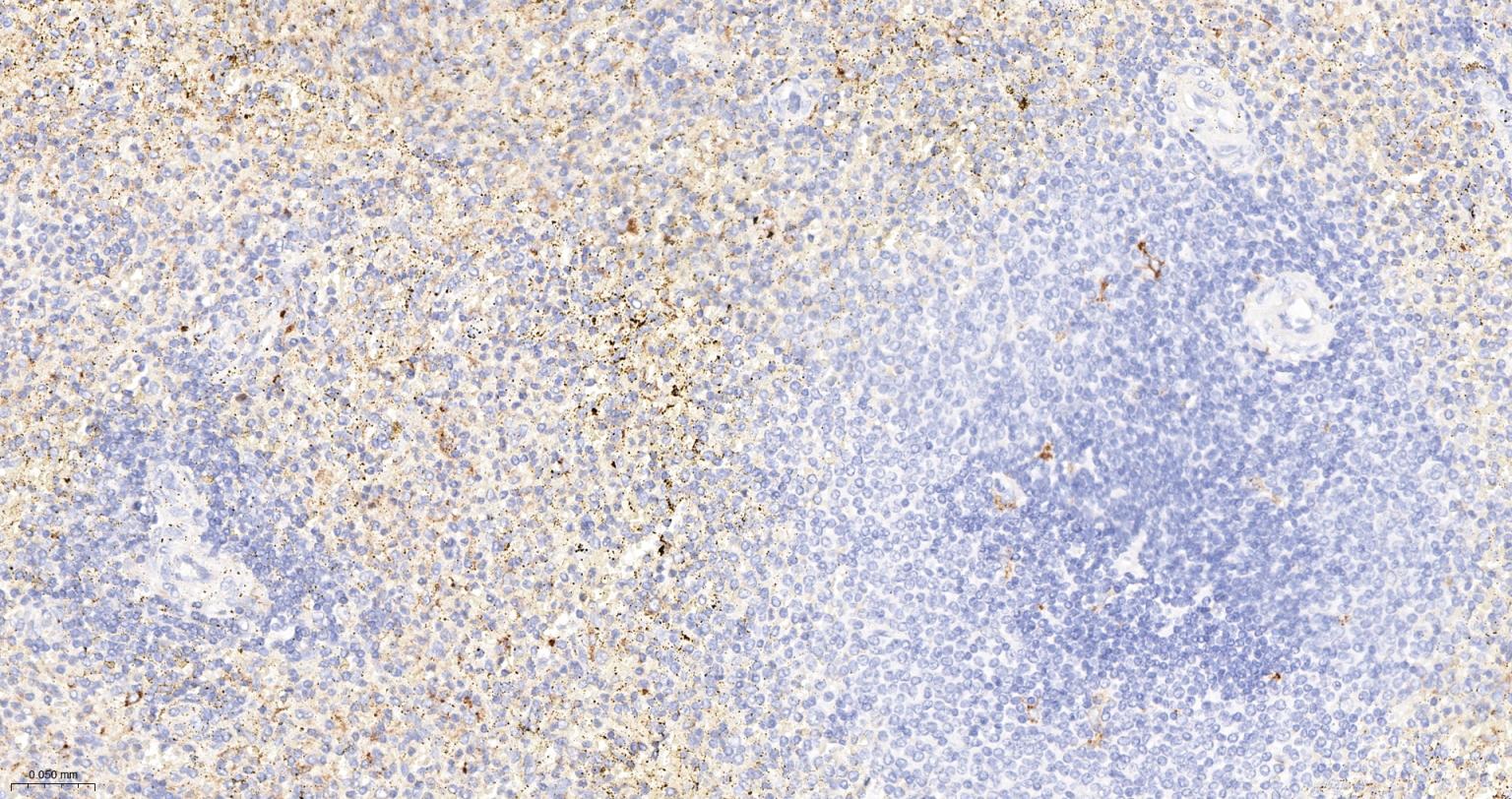
Figure 4. Paraformaldehyde-fixed, paraffin embedded Mouse Spleen; Antigen retrieval by boiling in sodium citrate buffer (pH6.0) for 15 min; The section was incubated with TGF Beta 1/3 Monoclonal Antibody, Unconjugated (SLA0970M) at 1:200 overnight at 4°C, followed by conjugation to the SL0295G-HRP and DAB (C-0010) staining.
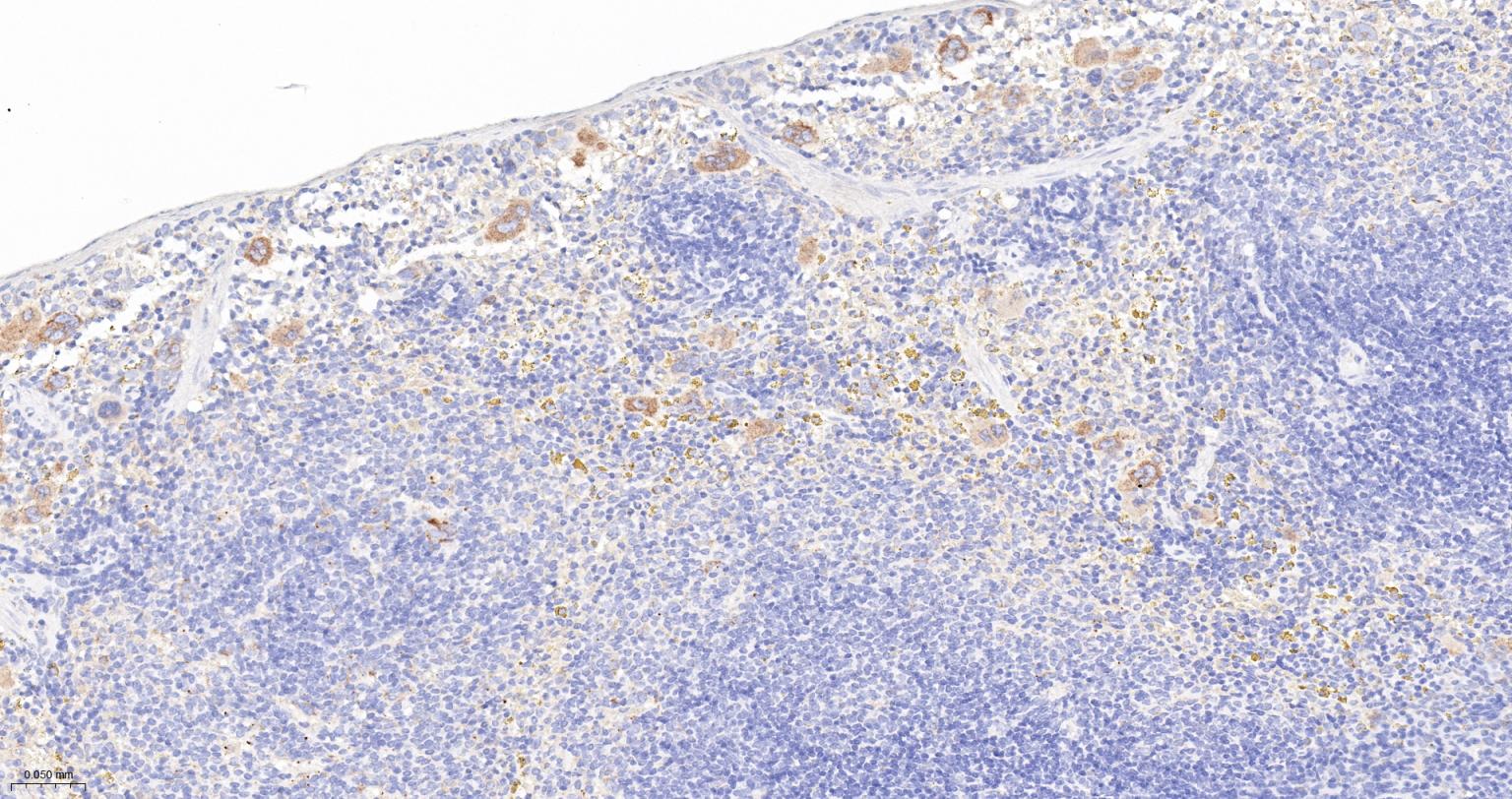
Figure 5. Paraformaldehyde-fixed, paraffin embedded Rat Spleen; Antigen retrieval by boiling in sodium citrate buffer (pH6.0) for 15 min; The section was incubated with TGF Beta 1/3 Monoclonal Antibody, Unconjugated (SLA0970M) at 1:200 overnight at 4°C, followed by conjugation to the SL0295G-HRP and DAB (C-0010) staining.
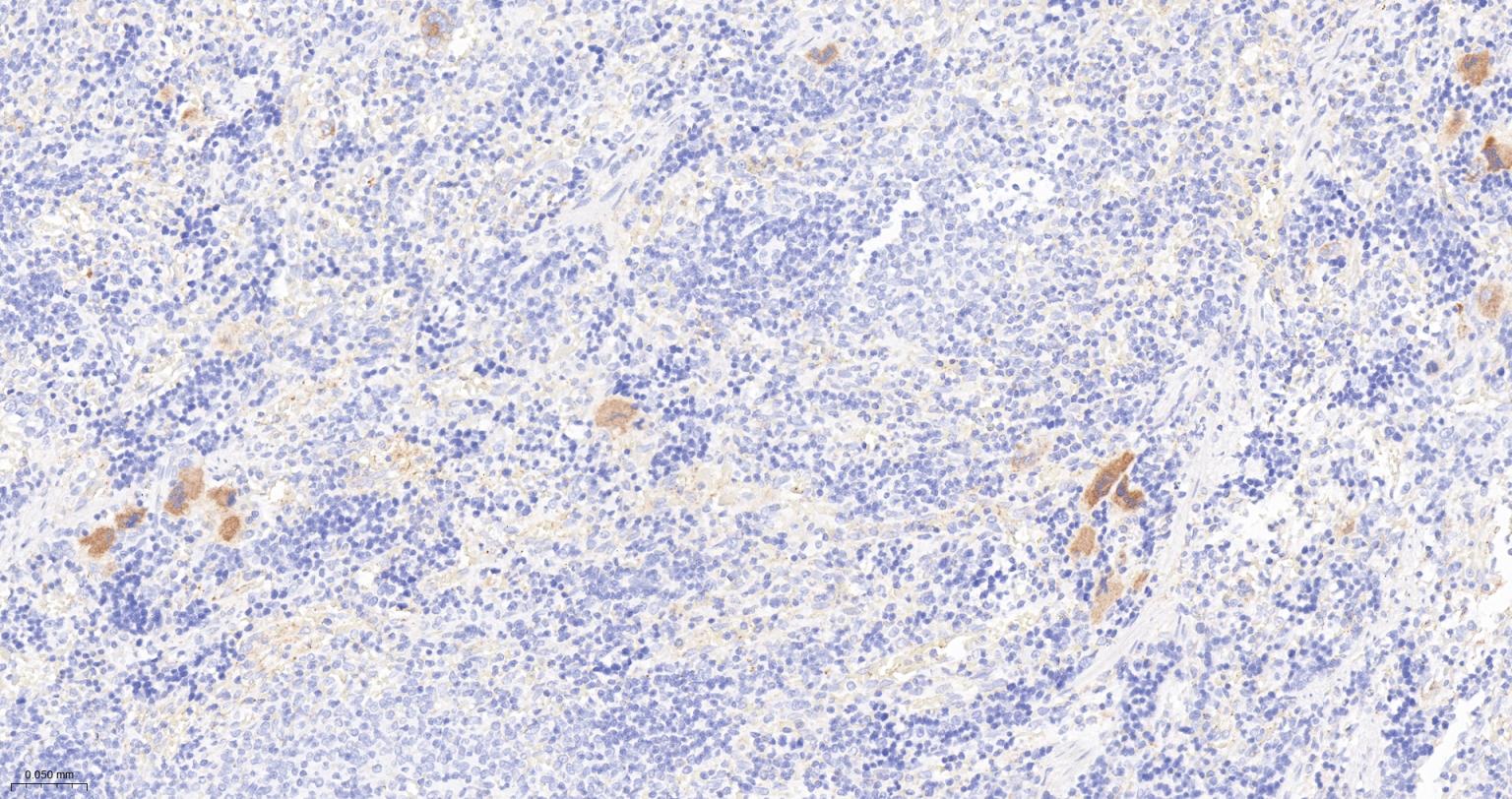
Figure 6. Paraformaldehyde-fixed, paraffin embedded Human Spleen; Antigen retrieval by boiling in sodium citrate buffer (pH6.0) for 15 min; The section was incubated with TGF Beta 1/3 Monoclonal Antibody, Unconjugated (SLA0970M) at 1:200 overnight at 4°C, followed by conjugation to the SL0295G-HRP and DAB (C-0010) staining.
FOR RESEARCH USE ONLY. Not for use in diagnostic or therapeutic procedures.
Partial purchase records(bought amounts latest0)
User Comment(Total0User Comment Num)
- No comment


 +86 571 56623320

 SUNLONG BIOTECH


