
Details
Product Name TMEM106B Rabbit pAb Cat No. SL25543R Chinese Name 跨膜蛋白106B抗体 Alias HLD16; 2310036D22Rik; 5830455K21Rik; 6430519M21Rik; LRRGT00101; T106B_HUMAN; TMEM106B; T106B_MOUSE; T106B_RAT; transmembrane protein 106B Host Species Rabbit Isotype IgG Clonality Polyclonal Clone No. React Species Human,Rat Applications WB (1:500-2000)
IHC-P (1:100-500)
IHC-F (1:400-800)
IF (1:100-500)
Not yet tested in other applications.
Optimal working dilutions must be determined by the end user.Immunogen KLH conjugated synthetic peptide derived from human TMEM106B Purification affinity purified by Protein A Concentration 1mg/ml Predicted MW. 31 kDa Observed MW. 32 kDa Subcellular Location N/A Gene ID 54664 Swiss-Prot Q9NUM4 Storage 0.01M TBS (pH7.4) with 1% BSA, 0.02% Proclin300 and 50% Glycerol.
Shipped at 4℃. Store at -20℃ for one year. Avoid repeated freeze/thaw cycles.Background TMEM106B is a 274 amino acid single-pass membrane protein that is encoded by a gene which maps to human chromosome 7. Chromosome 7 houses over 1,000 genes and comprises nearly 5% of the human genome. Defects in some of the genes localized to chromosome 7 have been linked to Osteogenesis imperfecta, Pendred syndrome, Lissencephaly, Citrullinemia and Shwachman-Diamond syndrome. The deletion of a portion of the q arm of chromosome 7 is associated with Williams-Beuren syndrome, a condition characterized by mild mental retardation, an unusual comfort and friendliness with strangers and an elfin appearance. Deletions of portions of the q arm of chromosome 7 are also seen in a number of myeloid disorders, including cases of acute myelogenous leukemia and myelodysplasia. Attention This product as supplied is intended for research use only, not for use in human, therapeutic or diagnostic applications.
Validation Images
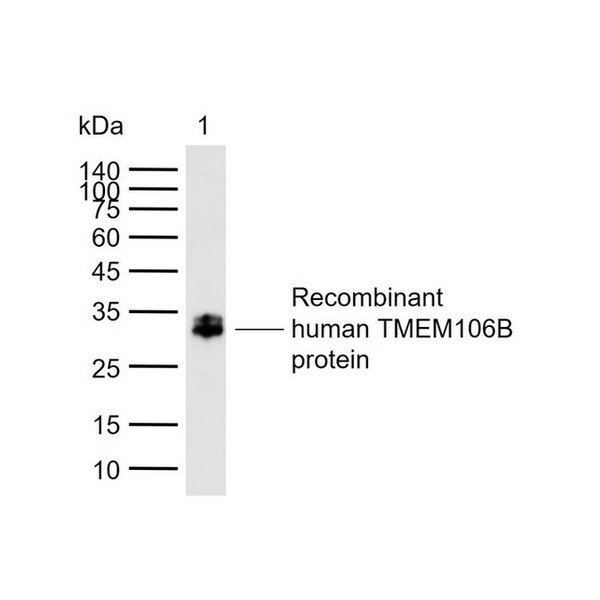
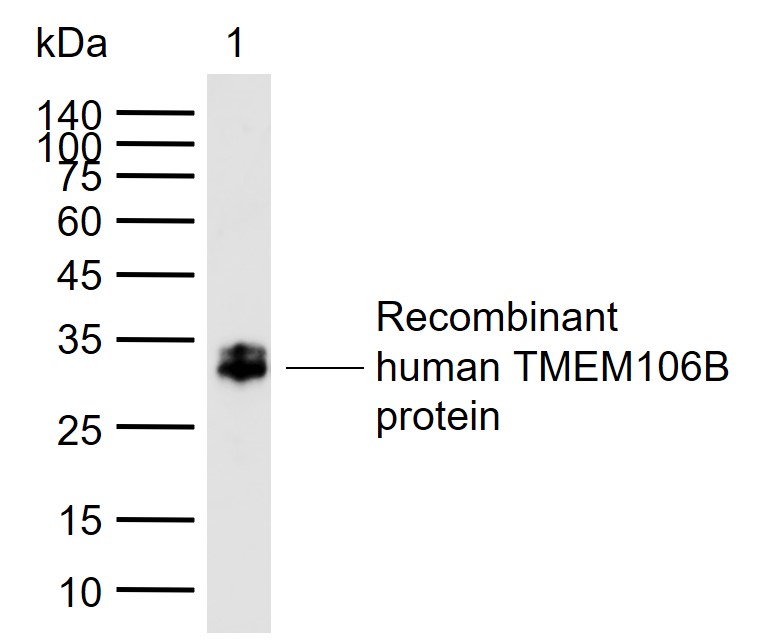
Figure 1. Sample:
Lane 1: Recombinant human TMEM106B protein, N-Trx-His(SL42250P)
Primary: Anti-TMEM106B (SL25543R) at 1/1000 dilution
Secondary: IRDye800CW Goat Anti-Rabbit IgG at 1/20000 dilution
Predicted band size: 31 kDa
Observed band size: 32 kDa
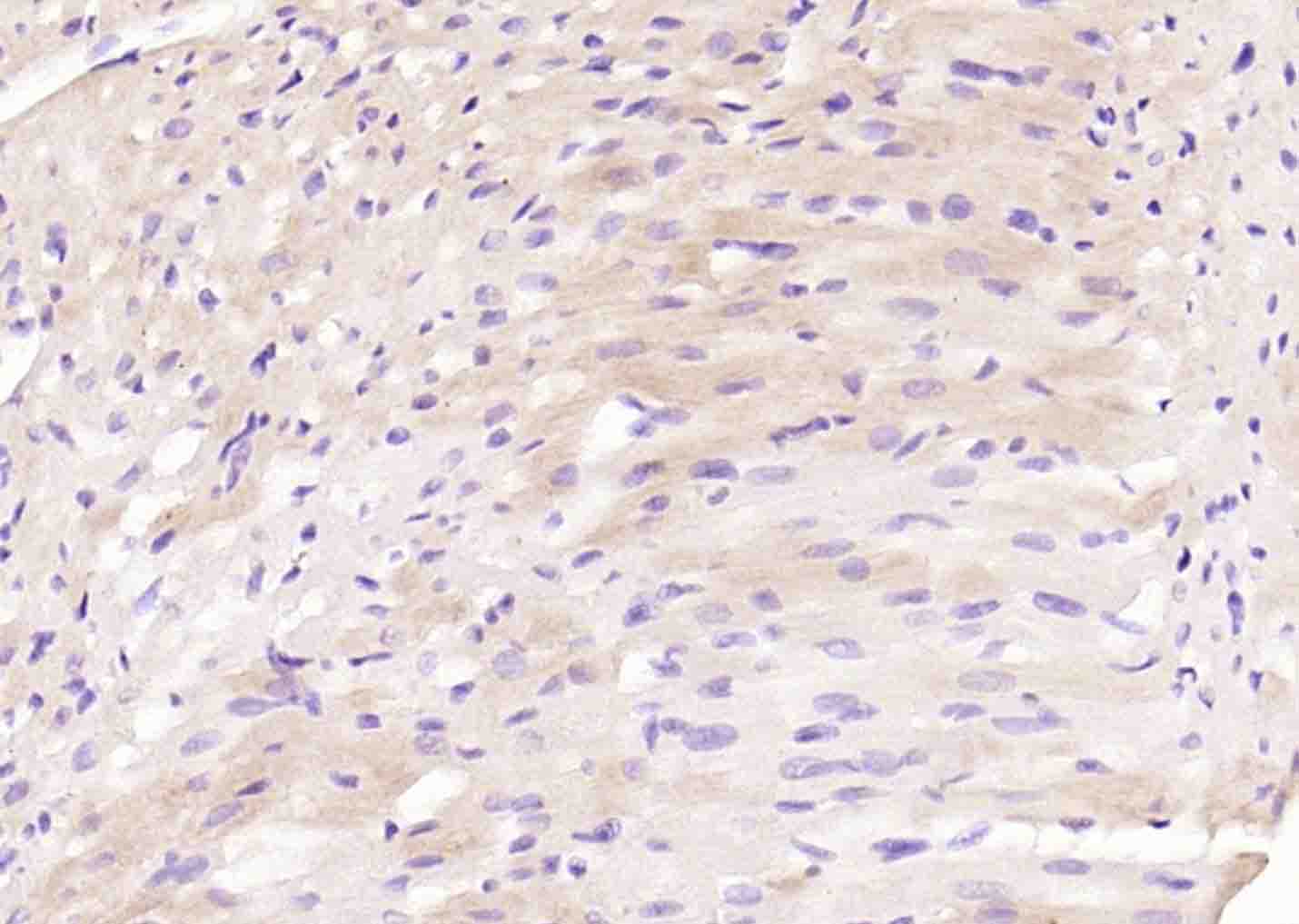
Figure 2. Paraformaldehyde-fixed, paraffin embedded (rat heart); Antigen retrieval by boiling in sodium citrate buffer (pH6.0) for 15min; Block endogenous peroxidase by 3% hydrogen peroxide for 20 minutes; Blocking buffer (normal goat serum) at 37°C for 30min; Antibody incubation with (TMEM106B) Polyclonal Antibody, Unconjugated (SL25543R) at 1:200 overnight at 4°C, followed by operating according to SP Kit(Rabbit) (sp-0023) instructionsand DAB staining.
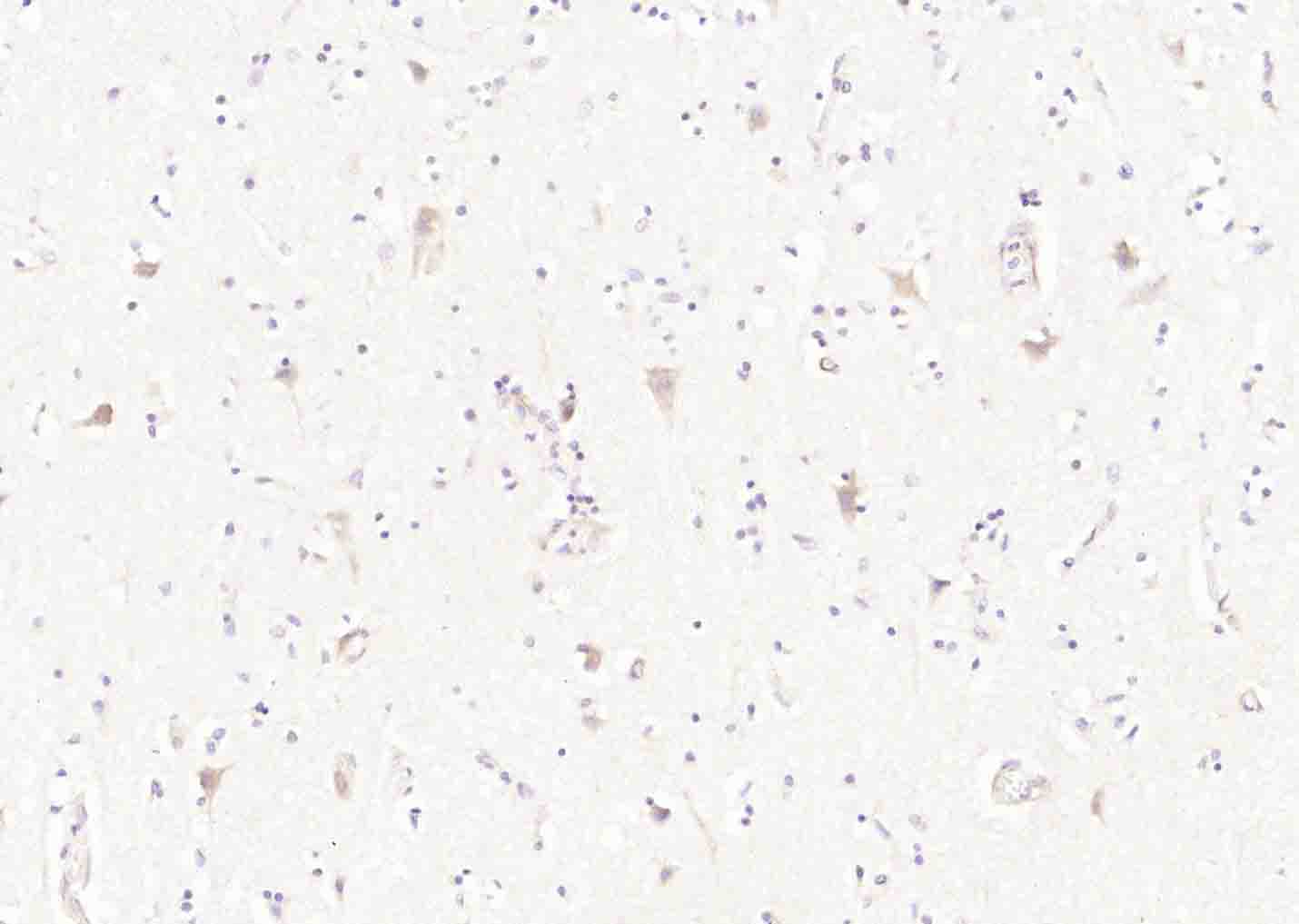
Figure 3. Paraformaldehyde-fixed, paraffin embedded (human brain); Antigen retrieval by boiling in sodium citrate buffer (pH6.0) for 15min; Block endogenous peroxidase by 3% hydrogen peroxide for 20 minutes; Blocking buffer (normal goat serum) at 37°C for 30min; Antibody incubation with (TMEM106B) Polyclonal Antibody, Unconjugated (SL25543R) at 1:200 overnight at 4°C, followed by operating according to SP Kit(Rabbit) (sp-0023) instructionsand DAB staining.
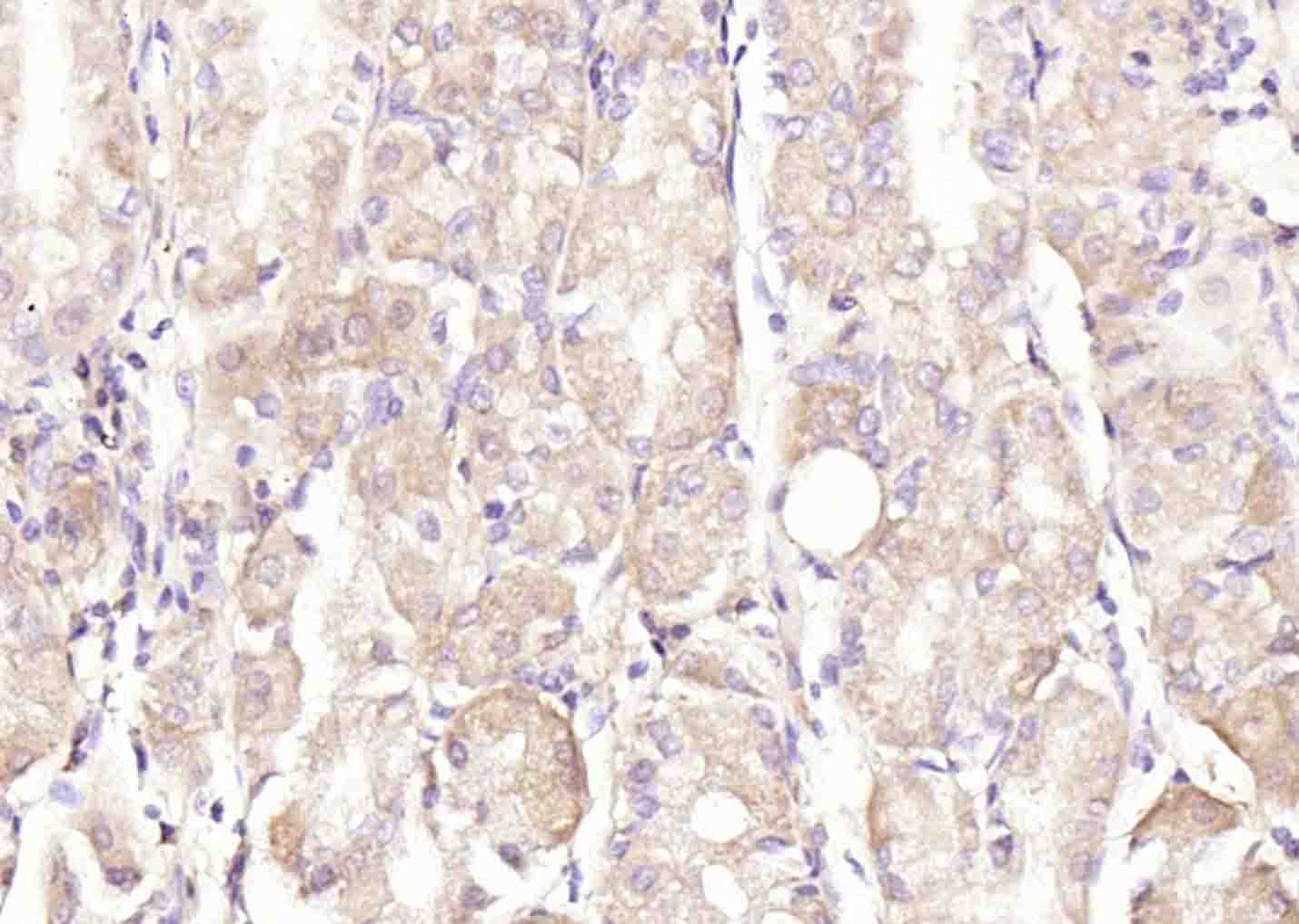
Figure 4. Paraformaldehyde-fixed, paraffin embedded (human stomach); Antigen retrieval by boiling in sodium citrate buffer (pH6.0) for 15min; Block endogenous peroxidase by 3% hydrogen peroxide for 20 minutes; Blocking buffer (normal goat serum) at 37°C for 30min; Antibody incubation with (TMEM106B) Polyclonal Antibody, Unconjugated (SL25543R) at 1:200 overnight at 4°C, followed by operating according to SP Kit(Rabbit) (sp-0023) instructionsand DAB staining.
FOR RESEARCH USE ONLY. Not for use in diagnostic or therapeutic procedures.
Partial purchase records(bought amounts latest0)
User Comment(Total0User Comment Num)
- No comment


 +86 571 56623320

 SUNLONG BIOTECH


