Details
Product Name Rabbit Anti-RAD9A Polyclonal Antibody Cat No. SLA0305 Chinese Name 磷酸化细胞周期检查控制蛋白质抗体 Alias RAD9; RAD9A_HUMAN; RAD9A; hRAD9; DNA repair exonuclease rad9 homolog A; 3.1.11.2; RAD9A_MOUSE; mRAD9; Rad9-like protein; RAD9 checkpoint clamp component A; RAD9 (S. pombe) homolog; RAD9 homolog A (S. pombe); RAD9A | RAD9 (phospho-S336); p-RAD9; phospho-RAD9; p-RAD9A; RAD9A | RAD9 (phospho-Ser336) Host Species Rabbit Isotype IgG Clonality Polyclonal React Species Human Applications IHC-P (1:100-500)
IHC-F (1:100-500)
IF (1:100-500)
Not yet tested in other applications.
Optimal working dilutions must be determined by the end user.Immunogen KLH conjugated Synthesised phosphopeptide derived from human RAD9 around the phosphorylation site of Ser336 Purification affinity purified by Protein A Concentration 1mg/ml Predicted MW. 43 kDa Subcellular Location Nucleus Gene ID 5883 Swiss-Prot Q99638 Storage 0.01M TBS (pH7.4) with 1% BSA, 0.02% Proclin300 and 50% Glycerol.
Shipped at 4℃. Store at -20℃ for one year. Avoid repeated freeze/thaw cycles.Background This gene product is highly similar to Schizosaccharomyces pombe rad9, a cell cycle checkpoint protein required for cell cycle arrest and DNA damage repair in response to DNA damage. This protein is found to possess 3' to 5' exonuclease activity, which may contribute to its role in sensing and repairing DNA damage. It forms a checkpoint protein complex with RAD1 and HUS1. This complex is recruited by checkpoint protein RAD17 to the sites of DNA damage, which is thought to be important for triggering the checkpoint-signaling cascade. Use of alternative polyA sites has been noted for this gene. [provided by RefSeq]. Attention This product as supplied is intended for research use only, not for use in human, therapeutic or diagnostic applications.
Validation Images
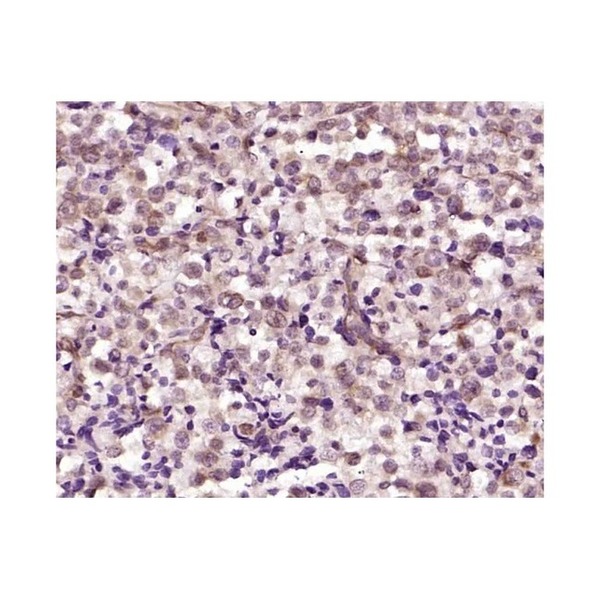
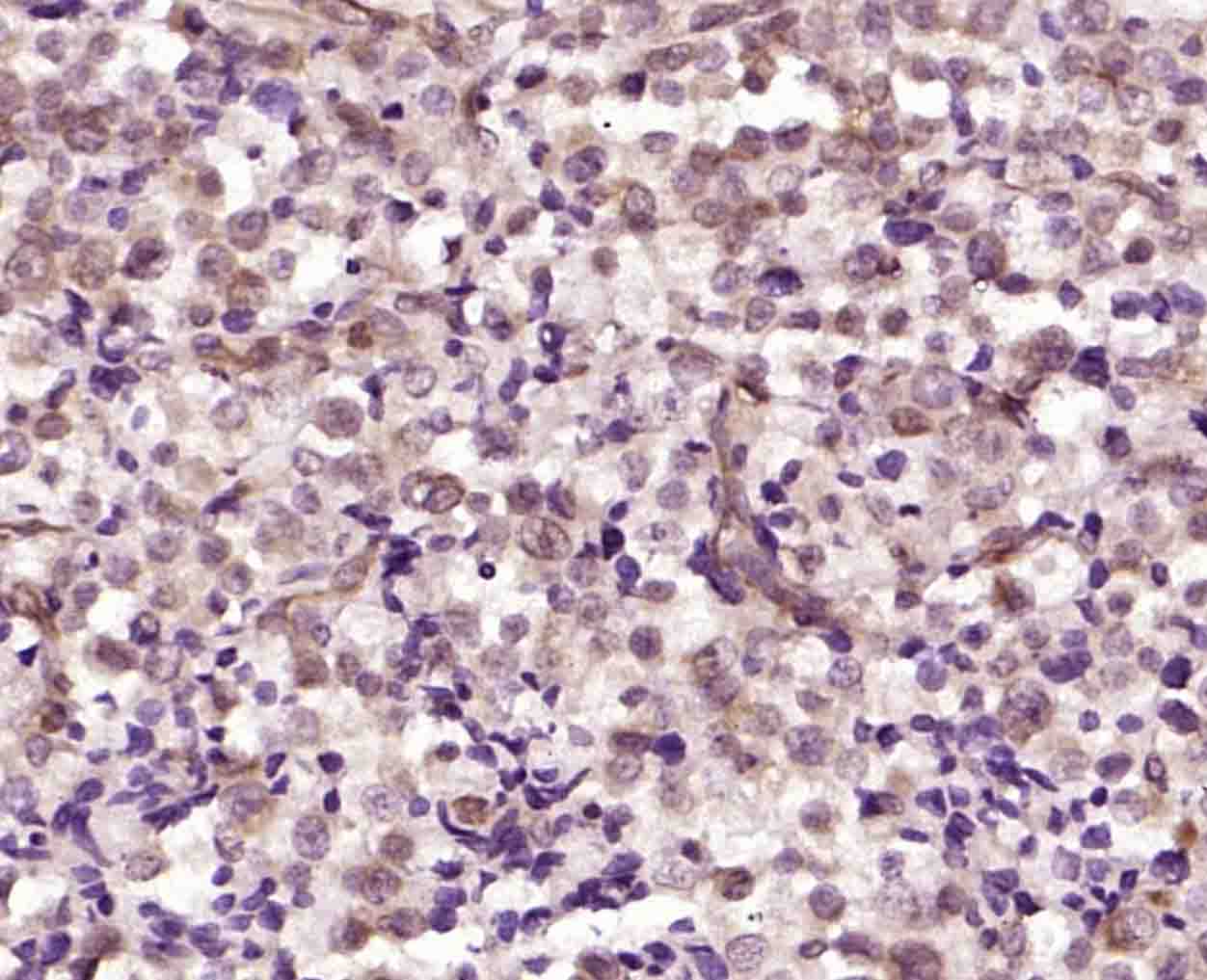
Figure 1. Paraformaldehyde-fixed, paraffin embedded (Prostate tumor); Antigen retrieval by boiling in sodium citrate buffer (pH6.0) for 15min; Block endogenous peroxidase by 3% hydrogen peroxide for 20 minutes; Blocking buffer (normal goat serum) at 37°C for 30min; Incubation with (phospho-RAD9(Ser336) ) Polyclonal Antibody, Unconjugated (SLA0305) at 1:200 overnight at 4°C, followed by operating according to SP Kit(Rabbit) (sp-0023) instructionsand DAB staining.
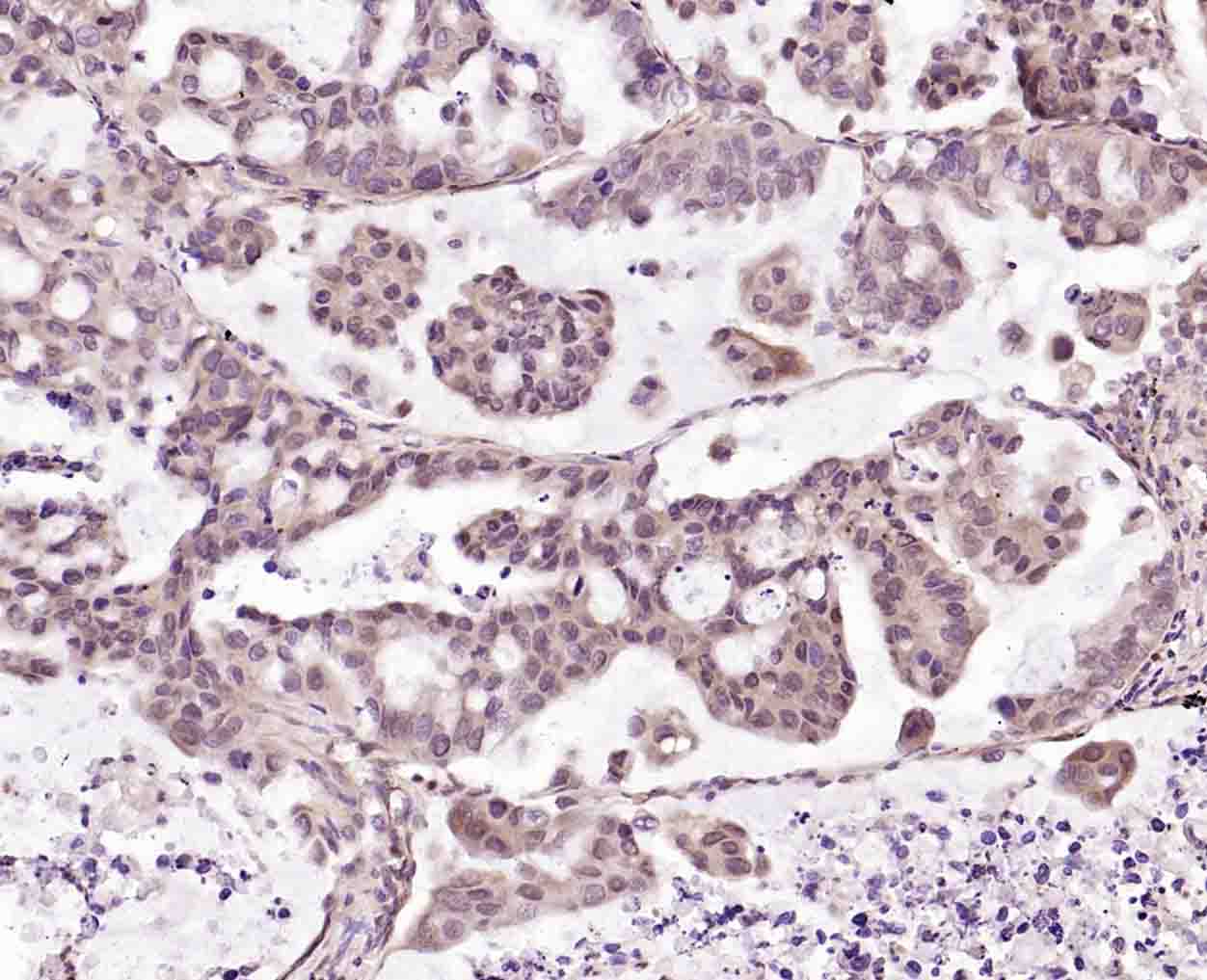
Figure 2. Paraformaldehyde-fixed, paraffin embedded (human lung carcinoma); Antigen retrieval by boiling in sodium citrate buffer (pH6.0) for 15min; Block endogenous peroxidase by 3% hydrogen peroxide for 20 minutes; Blocking buffer (normal goat serum) at 37°C for 30min; Incubation with (phospho-RAD9(Ser336) ) Polyclonal Antibody, Unconjugated (SLA0305) at 1:200 overnight at 4°C, followed by operating according to SP Kit(Rabbit) (sp-0023) instructionsand DAB staining.
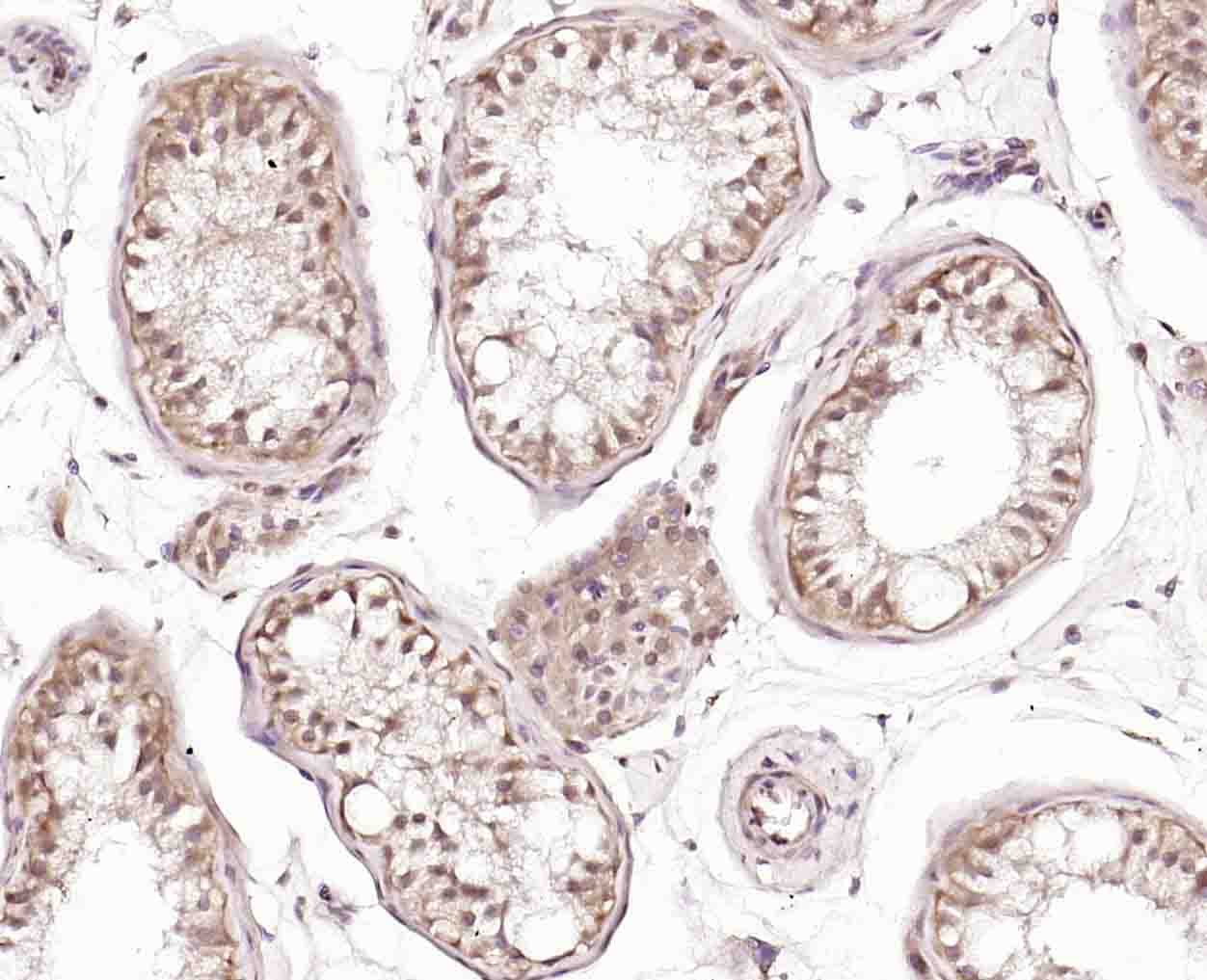
Figure 3. Paraformaldehyde-fixed, paraffin embedded (human testis); Antigen retrieval by boiling in sodium citrate buffer (pH6.0) for 15min; Block endogenous peroxidase by 3% hydrogen peroxide for 20 minutes; Blocking buffer (normal goat serum) at 37°C for 30min; Incubation with (phospho-RAD9(Ser336) ) Polyclonal Antibody, Unconjugated (SLA0305) at 1:200 overnight at 4°C, followed by operating according to SP Kit(Rabbit) (sp-0023) instructionsand DAB staining.
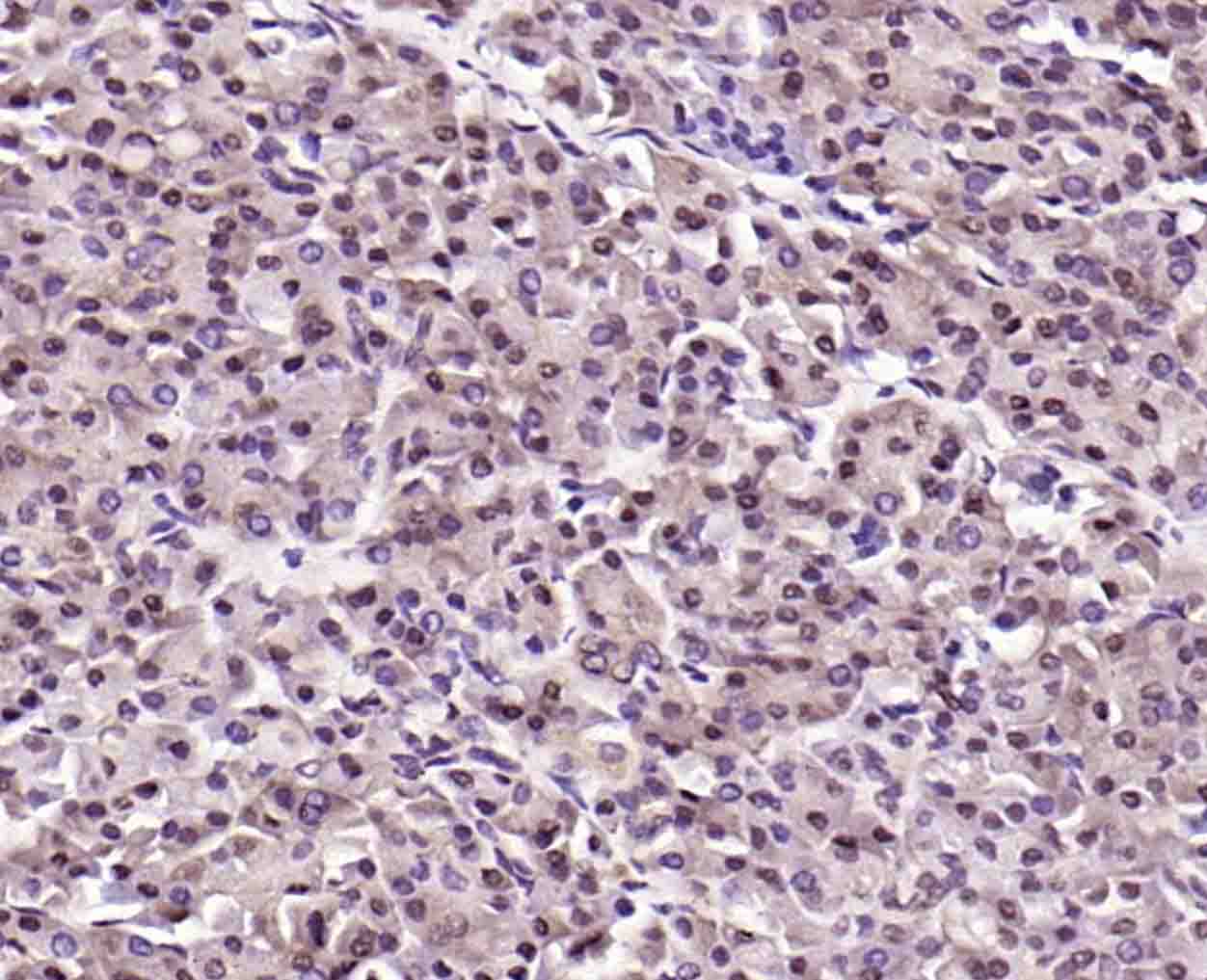
Figure 4. Paraformaldehyde-fixed, paraffin embedded (human pancreas); Antigen retrieval by boiling in sodium citrate buffer (pH6.0) for 15min; Block endogenous peroxidase by 3% hydrogen peroxide for 20 minutes; Blocking buffer (normal goat serum) at 37°C for 30min; Incubation with (phospho-RAD9(Ser336) ) Polyclonal Antibody, Unconjugated (SLA0305) at 1:200 overnight at 4°C, followed by operating according to SP Kit(Rabbit) (sp-0023) instructionsand DAB staining.
FOR RESEARCH USE ONLY. Not for use in diagnostic or therapeutic procedures.
Partial purchase records(bought amounts latest0)
User Comment(Total0User Comment Num)
- No comment


 +86 571 56623320

 SUNLONG BIOTECH


