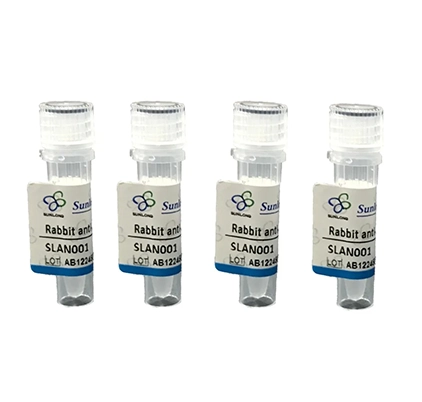
Rabbit Anti-CCBP2/PE Conjugated antibody
ACKR2; Atypical chemokine receptor 2; C C chemokine receptor D6; CCBP2; ACKR2_HUMAN; CCR10; CCR9; Chemokine binding protein 2; Chemokine receptor CCR 10; Chemokine receptor CCR 9; Chemokine receptor D6; CMKBR9; D6; hD6.
View History [Clear]
Details
Product Name Anti-CCBP2/PE Chinese Name PE标记的ChemokineBinding protein2抗体 Alias ACKR2; Atypical chemokine receptor 2; C C chemokine receptor D6; CCBP2; ACKR2_HUMAN; CCR10; CCR9; Chemokine binding protein 2; Chemokine receptor CCR 10; Chemokine receptor CCR 9; Chemokine receptor D6; CMKBR9; D6; hD6. Research Area Cell biology Chemokine Binding protein Immunogen Species Rabbit Clonality Polyclonal React Species (predicted:Human,Mouse,Rat,Rabbit) Applications ICC/IF=1:50-200,IF=1:100-500
not yet tested in other applications.
optimal dilutions/concentrations should be determined by the end user.Molecular weight 43kDa Form Lyophilized or Liquid Concentration 1mg/ml immunogen KLH conjugated synthetic peptide derived from human CCBP2 Lsotype IgG Purification affinity purified by Protein A Storage Buffer 1M TBS(pH7.4) with 1% BSA, 3% Proclin300 and 50% Glycerol. Storage Store at -20 °C for one year. Avoid repeated freeze/thaw cycles. The lyophilized antibody is stable at room temperature for at least one month and for greater than a year when kept at -20°C. When reconstituted in sterile pH 7.4 1M PBS or diluent of antibody the antibody is stable for at least two weeks at 2-4 °C. Product Detail background:
This gene encodes a beta chemokine receptor, which is predicted to be a seven transmembrane protein similar to G protein-coupled receptors. Chemokines and their receptor-mediated signal transduction are critical for the recruitment of effector immune cells to the inflammation site. This gene is expressed in a range of tissues and hemopoietic cells. The expression of this receptor in lymphatic endothelial cells and overexpression in vascular tumors suggested its function in chemokine-driven recirculation of leukocytes and possible chemokine effects on the development and growth of vascular tumors. This receptor appears to bind the majority of beta-chemokine family members; however, its specific function remains unknown. This gene is mapped to chromosome 3p21.3, a region that includes a cluster of chemokine receptor genes. [provided by RefSeq, Jul 2008]
Function:
Chemokines and their receptor-mediated signal transduction are critical for the recruitment of effector immune cells to the inflammation site. Chemokine receptor D6 is expressed in a range of tissues and hemopoietic cells. The expression of this receptor in lymphatic endothelial cells and overexpression in vascular tumors suggested its function in chemokine-driven recirculation of leukocytes and possible chemokine effects on the development and growth of vascular tumors. This receptor appears to bind the majority of beta-chemokine family members.
Subcellular Location:
Cell Membrane
Tissue Specificity:
Found in endothelial cells lining afferent lymphatics in dermis and lymph nodes. Also found in lymph nodes subcapsular and medullary sinuses, tonsillar lymphatic sinuses and lymphatics in mucosa and submucosa of small and large intestine and appendix. Also found in some malignant vascular tumors. Expressed at high levels in Kaposi sarcoma-related pathologies. Expressed on apoptotic neutrophils (at protein level). Expressed primarily in placenta and fetal liver, and found at very low levels in the lung and lymph node.
Post-translational modifications:
Phosphorylated on serine residues in the C-terminal cytoplasmic tail.
Similarity:
Belongs to the G-protein coupled receptor 1 family. Atypical chemokine receptor subfamily.
Database links:Entrez Gene: 1238 Human
Omim: 602648 Human
SwissProt: O00590 Human
Important Note:
This product as supplied is intended for research use only, not for use in human, therapeutic or diagnostic applications.
Cartpieces
Totalgoods,subtotals:¥Checkout
Partial purchase records(bought amounts latest0)
No one bought this product
User Comment(Total0User Comment Num)
- No comment


 +86 571 56623320
 SUNLONG BIOTECH

