
Genomic DNA from Staphylococcus aureus subsp.
金黄色葡萄球菌亚种基因组DNA
All categories
View History [Clear]
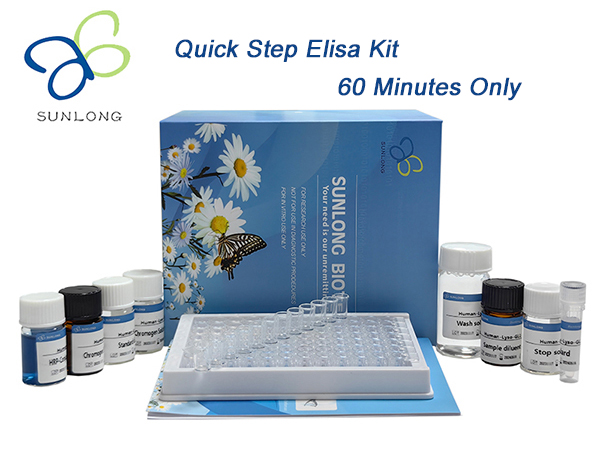
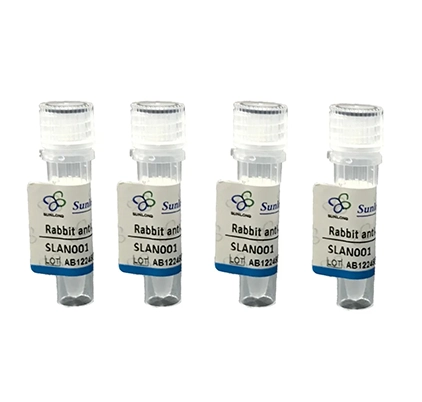
Details
Genomic DNA of Staphylococcus aureus subsp. - Basic Information
Culture Medium Peptone: 10.0g, Beef Powder: 3.0g, Sodium Chloride: 5.0g, Agar: 15.0g, pH: 7.3±0.1 (25°C) Growth Conditions 37°C; 18-24h; Aerobic Storage Conditions 2-8°C Operating Steps Before use, add anhydrous ethanol to Buffer GD and Wash Solution PW; refer to the bottle labels for the required volume.
1. Take 1-5ml of bacterial culture, centrifuge at 10,000rpm (11,500×g) for 1min, and carefully remove the supernatant.
2. Add 200μL Buffer GA to the cell pellet and vortex until the cells are completely resuspended. Note: For Gram-positive bacteria with hard-to-break cell walls, skip step 2 and perform cell wall disruption using lysozyme solution. The specific method is: add 110μL buffer (20mM Tris, pH 8.0; 2mM Na2-EDTA; 1.2% Triton) and 70μL lysozyme solution (50mg/mL, customer-provided, catalog number: RT401), and incubate at 37°C for over 30min. If RNA removal is needed, add 4μL RNase A (100mg/mL) solution (customer-provided, catalog number: RT405-12), vortex for 15sec, and let stand at room temperature for 5min.
3. Add 20μL Proteinase K solution to the tube and mix well.
4. Add 220μL Buffer GB, vortex for 15sec, and incubate at 70°C for 10min. The solution should become clear. Briefly centrifuge to remove droplets from the inside of the tube cap. Note: A white precipitate may form upon adding Buffer GB, which typically disappears during the 70°C incubation and will not affect subsequent experiments. If the solution does not become clear, it indicates incomplete cell lysis, which may result in low DNA yield and impure extracted DNA.
5. Add 220μL anhydrous ethanol, vortex thoroughly for 15sec. Flocculent precipitates may appear at this stage. Briefly centrifuge to remove droplets from the inside of the tube cap.
6. Transfer the solution and any precipitates from the previous step into an adsorption column CB3 (placed in a collection tube), centrifuge at 12,000rpm (13,400×g) for 30sec, discard the waste liquid, and place the adsorption column CB3 back into the collection tube.
7. Add 500μL Buffer GD to the adsorption column CB3 (ensure anhydrous ethanol has been added before use), centrifuge at 12,000rpm (13,400×g) for 30sec, discard the waste liquid, and place the adsorption column CB3 back into the collection tube.
8. Add 600μL Wash Solution PW to the adsorption column CB3 (ensure anhydrous ethanol has been added before use), centrifuge at 12,000rpm (13,400×g) for 30sec, discard the waste liquid, and place the adsorption column CB3 back into the collection tube.
9. Repeat step 8.
10. Place the adsorption column CB3 back into the collection tube, centrifuge at 12,000rpm (13,400×g) for 2min, and discard the waste liquid. Leave the adsorption column CB3 at room temperature for several minutes to thoroughly dry any residual wash solution in the adsorption material. Note: This step aims to remove residual wash solution from the adsorption column, as ethanol residue in the wash solution can affect subsequent enzymatic reactions (e.g., restriction digestion, PCR).
11. Transfer the adsorption column CB3 into a clean centrifuge tube, and add 50-200μL Elution Buffer TE dropwise to the center of the adsorption membrane. Let stand at room temperature for 2-5min, centrifuge at 12,000rpm (13,400×g) for 2min, and collect the solution in the centrifuge tube. Note: The elution buffer volume should not be less than 50μL, as a smaller volume may affect recovery efficiency. The pH of the elution buffer significantly impacts elution efficiency. If using ddH2O as the elution buffer, ensure its pH is within the range of 7.0-8.5; a pH below 7.0 will reduce elution efficiency. DNA products should be stored at -20°C to prevent degradation. To increase genomic DNA yield, the collected solution can be reapplied to the adsorption column CB3, left at room temperature for 2min, and centrifuged at 12,000rpm (13,400×g) for 2min.Sharing Method Public Welfare Sharing 📋 Notes:
- Storage Conditions:Lyophilized powder should be stored at 2–8°C away from light. After reconstitution or for solution-type products, store at –20°C and avoid repeated freeze-thaw cycles. For short-term frequent use (within 1 week), temporary storage at 4°C is acceptable.
- Reconstitution Method:Prior to use, briefly centrifuge the lyophilized powder (e.g., 12,000 rpm for 1 minute) to collect the DNA at the bottom of the tube. It is recommended to dissolve in sterile TE buffer (pH 8.0) or sterile ddH₂O (pH 7.0–8.5). Mix gently; avoid vigorous vortexing.
- Contamination Prevention:Gloves must be worn during operation. Use sterile, nuclease-free consumables. It is recommended to aliquot the reconstituted DNA into single-use portions before freezing, to prevent degradation caused by repeated freeze-thaw cycles and to avoid nuclease contamination.
- Experimental Suitability:This product is suitable for common molecular biology applications such as PCR, qPCR, restriction enzyme digestion, and library construction. If the downstream assay is sensitive to inhibitors, ensure that the DNA solution is free of residual ethanol or high-concentration salt interference.
- Intended Use Statement:The product is for research use only and is not intended for clinical diagnostic purposes.
Ordering & shipping
- Minimum order: 1 unit
- Lead time: varies with order quantity and specifications. Please consult your local distributor or our sales team for confirmation
- Payment: T/T 100% in advance; PayPal; Alibaba Trade Assurance
- Shipping: FedEx / DHL / UPS express; cold-chain packing available on request
- Price: USD; specification / size is listed on this page
Partial purchase records(bought amounts latest0)
No one bought this product
User Comment(Total0User Comment Num)
- No comment


 +86 571 56623320

 SUNLONG BIOTECH


