Details
Product Name SREBP1 Chinese Name 胆固醇调节元件Binding protein1抗体 Alias Sterol regulatory element binding protein 1; ADD 1; BHLHD1; D630008H06; SREBF 1; SREBP-1; SREBF1; SREBP 1; SREBP1; SREBP 1c; Sterol regulatory element binding protein 1; Sterol Regulatory Element Binding Transcription Factor 1 / Protein 1; Sterol regulatory element binding transcription factor 1; SRBP1_HUMAN; Sterol regulatory element-binding protein 1; SREBP-1; Class D basic helix-loop-helix protein 1; bHLHd1; Sterol regulatory element-binding transcription factor 1; Processed sterol regulatory element-binding protein 1. literatures Research Area Cardiovascular transcriptional regulatory factor Synthesis and Degradation Immunogen Species Rabbit Clonality Polyclonal React Species Human,Mouse,Rat(predicted:Chicken,Sheep) Applications IHC-P (1:200-500), IHC-F (1:200-500), IF (1:200-500)
Not yet tested in other applications.
Optimal working dilutions must be determined by the end user.Theoretical molecular weight 54/126kDa Cellular localization The nucleus cytoplasmic Form Liquid Concentration 1mg/ml immunogen KLH conjugated synthetic peptide derived from human SREBP-1: 301-450/1147 Lsotype IgG Purification affinity purified by Protein A Buffer Solution 1M TBS(pH7.4) with 1% BSA, 3% Proclin300 and 50% Glycerol. Storage Shipped at 4℃. Store at -20 °C for one year. Avoid repeated freeze/thaw cycles. Attention This product as supplied is intended for research use only, not for use in human, therapeutic or diagnostic applications. PubMed PubMed Product Detail This gene encodes a transcription factor that binds to the sterol regulatory element-1 (SRE1), which is a decamer flanking the low density lipoprotein receptor gene and some genes involved in sterol biosynthesis. The protein is synthesized as a precursor that is attached to the nuclear membrane and endoplasmic reticulum. Following cleavage, the mature protein translocates to the nucleus and activates transcription by binding to the SRE1. Sterols inhibit the cleavage of the precursor, and the mature nuclear form is rapidly catabolized, thereby reducing transcription. The protein is a member of the basic helix-loop-helix-leucine zipper (bHLH-Zip) transcription factor family. This gene is located within the Smith-Magenis syndrome region on chromosome 17. Two transcript variants encoding different isoforms have been found for this gene. [provided by RefSeq, Jul 2008]
Function:
Transcriptional activator required for lipid homeostasis. Regulates transcription of the LDL receptor gene as well as the fatty acid and to a lesser degree the cholesterol synthesis pathway. Binds to the sterol regulatory element 1 (SRE-1) (5'-ATCACCCCAC-3'). Has dual sequence specificity binding to both an E-box motif (5'-ATCACGTGA-3') and to SRE-1 (5'-ATCACCCCAC-3').
Subunit:
Forms a tight complex with SCAP in the ER membrane. Efficient DNA binding of the soluble transcription factor fragment requires dimerization with another bHLH protein. Interacts with LMNA.
Subcellular Location:
Endoplasmic reticulum membrane; Multi-pass membrane protein. Golgi apparatus membrane; Multi-pass membrane protein. Cytoplasmic vesicle, COPII-coated vesicle membrane; Multi-pass membrane protein. Note=Moves from the endoplasmic reticulum to the Golgi in the absence of sterols.
Processed sterol regulatory element-binding protein 1: Nucleus.
Isoform SREBP-1aDelta: Nucleus.
Isoform SREBP-1cDelta: Nucleus.
Tissue Specificity:
Expressed in a wide variety of tissues, most abundant in liver and adrenal gland. In fetal tissues lung and liver shows highest expression. Isoform SREBP-1C predominates in liver, adrenal gland and ovary, whereas isoform SREBP-1A predominates in hepatoma cell lines. Isoform SREBP-1A and isoform SREBP-1C are found in kidney, brain, white fat, and muscle.
Post-translational modifications:
At low cholesterol the SCAP/SREBP complex is recruited into COPII vesicles for export from the ER. In the Golgi complex SREBPs are cleaved sequentially by site-1 and site-2 protease. The first cleavage by site-1 protease occurs within the luminal loop, the second cleavage by site-2 protease occurs within the first transmembrane domain and releases the transcription factor from the Golgi membrane. Apoptosis triggers cleavage by the cysteine proteases caspase-3 and caspase-7.
Phosphorylated by AMPK, leading to suppress protein processing and nuclear translocation, and repress target gene expression. Phosphorylation at Ser-402 by SIK1 represses activity possibly by inhibiting DNA-binding.
Similarity:
Belongs to the SREBP family.
Contains 1 bHLH (basic helix-loop-helix) domain.
SWISS:
P36956
Gene ID:
6720
Database links:Entrez Gene: 6720 Human
Entrez Gene: 20787 Mouse
Omim: 184756 Human
SwissProt: P36956 Human
SwissProt: Q9WTN3 Mouse
Unigene: 592123 Human
Unigene: 278701 Mouse
Unigene: 296366 Mouse
Unigene: 198857 Rat
transcriptional regulatory factor(Transcriptin Regulators)
Cholesterol regulatory element Binding protein 1 (SREBP1) is a membrane-bound transcription factor involved in many aspects of lipid homeostasis (synthesis/uptake of cholesterol, fatty acids, triglycerides and phospholipids). SREBP1 is synthesized on the endoplasmic reticulum and needs to be transported to the Golgi apparatus and undergo a series of proteolytic cleavages before it can act in the nucleus.
It is expressed in the cytoplasm when immature, and the mature fragment after hydrolysis is expressed in the nucleus.Product Picture
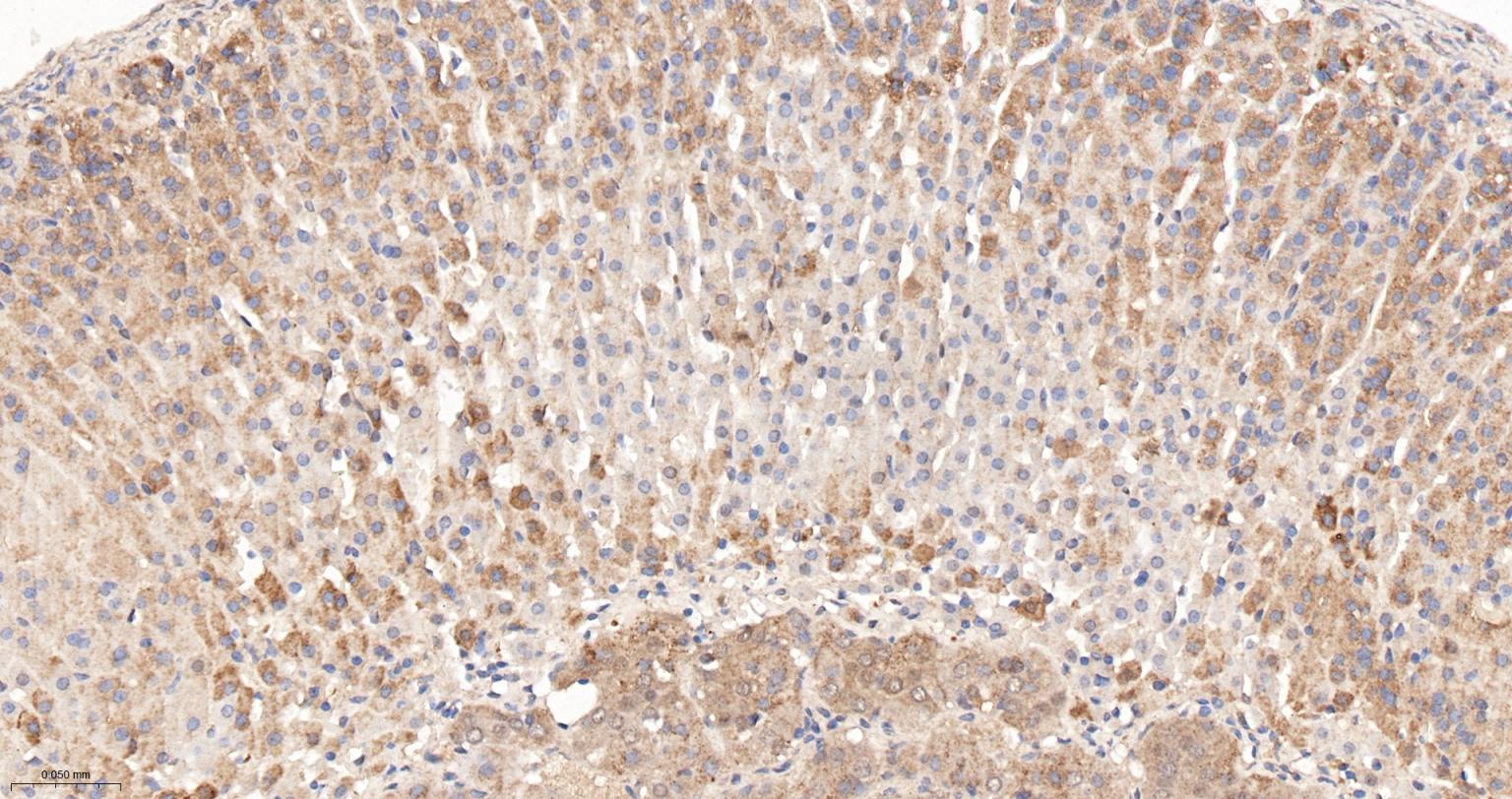
Figure 1. Paraformaldehyde-fixed, paraffin embedded (mouse adrenal gland); Antigen retrieval by boiling in sodium citrate buffer (pH6.0) for 15min; Block endogenous peroxidase by 3% hydrogen peroxide for 20 minutes; Blocking buffer (normal goat serum) at 37°C for 30min; Antibody incubation with (SREBP-1) Polyclonal Antibody, Unconjugated (SL1402R) at 1:200 overnight at 4°C, followed by a conjugated secondary (sp-0023) for 20 minutes and DAB staining
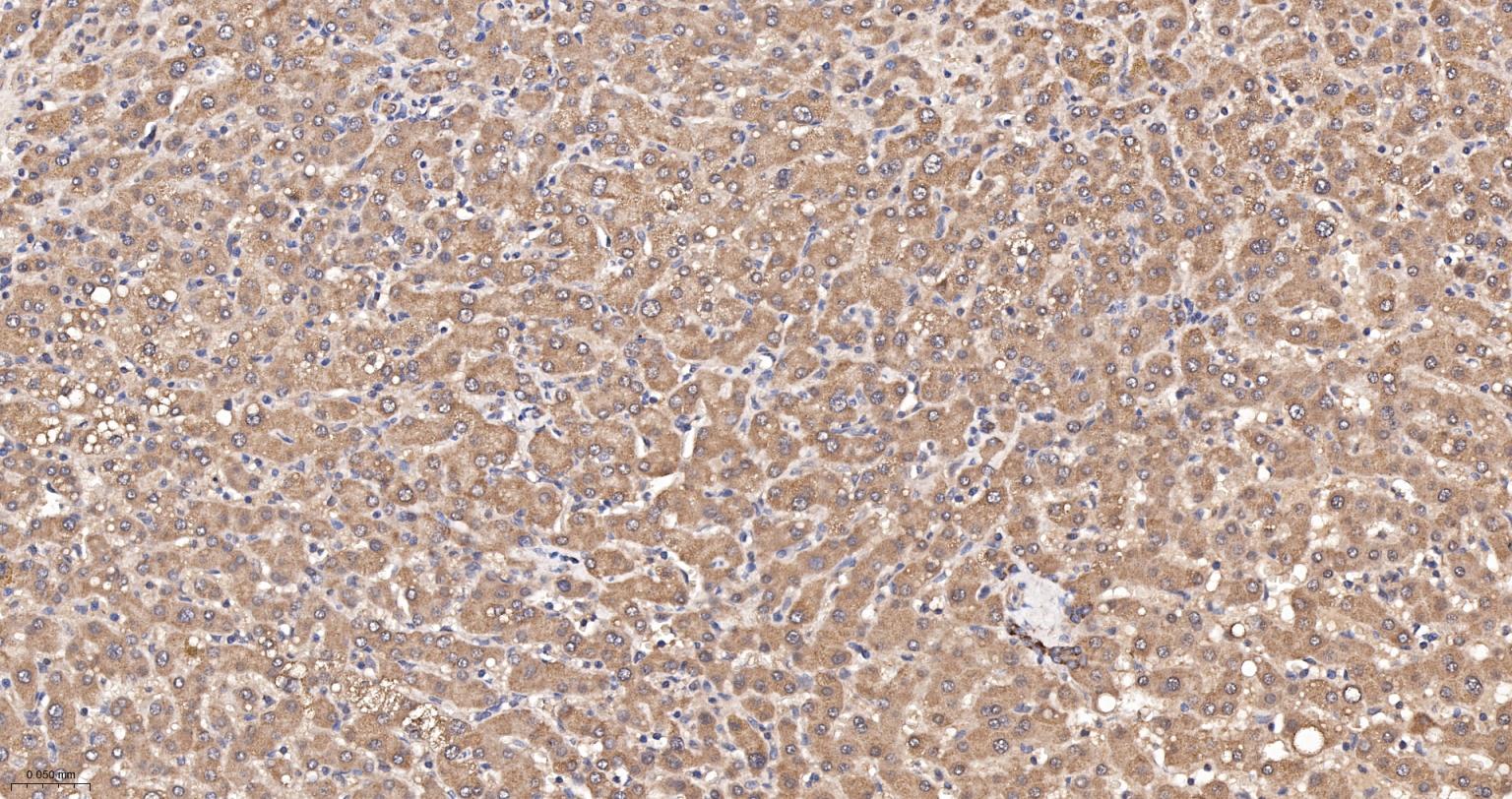
Figure 2. Paraformaldehyde-fixed, paraffin embedded (human liver cancer); Antigen retrieval by boiling in sodium citrate buffer (pH6.0) for 15min; Block endogenous peroxidase by 3% hydrogen peroxide for 20 minutes; Blocking buffer (normal goat serum) at 37°C for 30min; Antibody incubation with (SREBP1) Polyclonal Antibody, Unconjugated (SL1402R) at 1:200 overnight at 4°C, followed by operating according to SP Kit(Rabbit) (sp-0023) instructionsand DAB staining
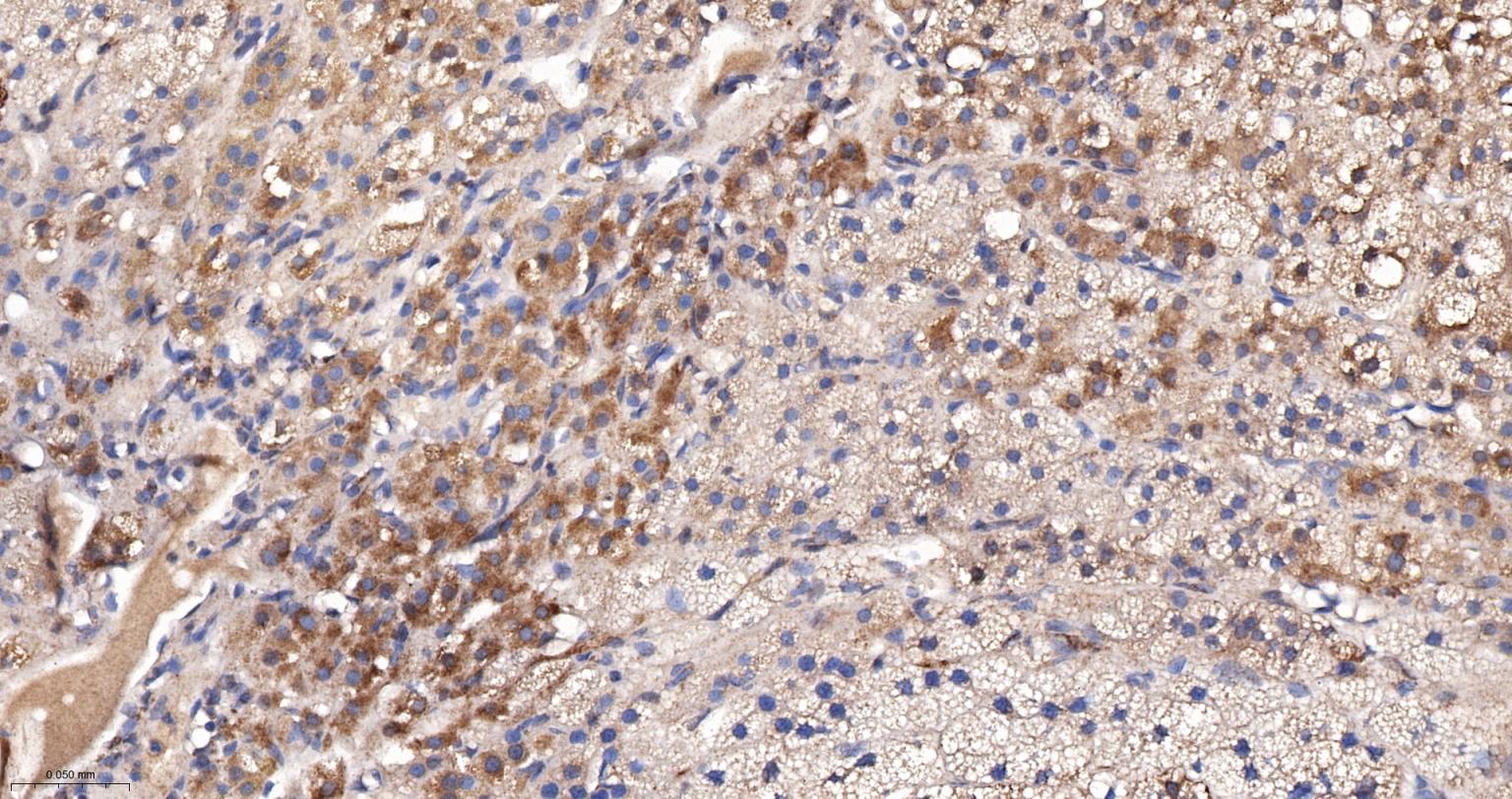
Figure 3. Paraformaldehyde-fixed, paraffin embedded (human adrenal gland); Antigen retrieval by boiling in sodium citrate buffer (pH6.0) for 15min; Block endogenous peroxidase by 3% hydrogen peroxide for 20 minutes; Blocking buffer (normal goat serum) at 37°C for 30min; Antibody incubation with (SREBP1) Polyclonal Antibody, Unconjugated (SL1402R) at 1:200 overnight at 4°C, followed by operating according to SP Kit(Rabbit) (sp-0023) instructionsand DAB staining
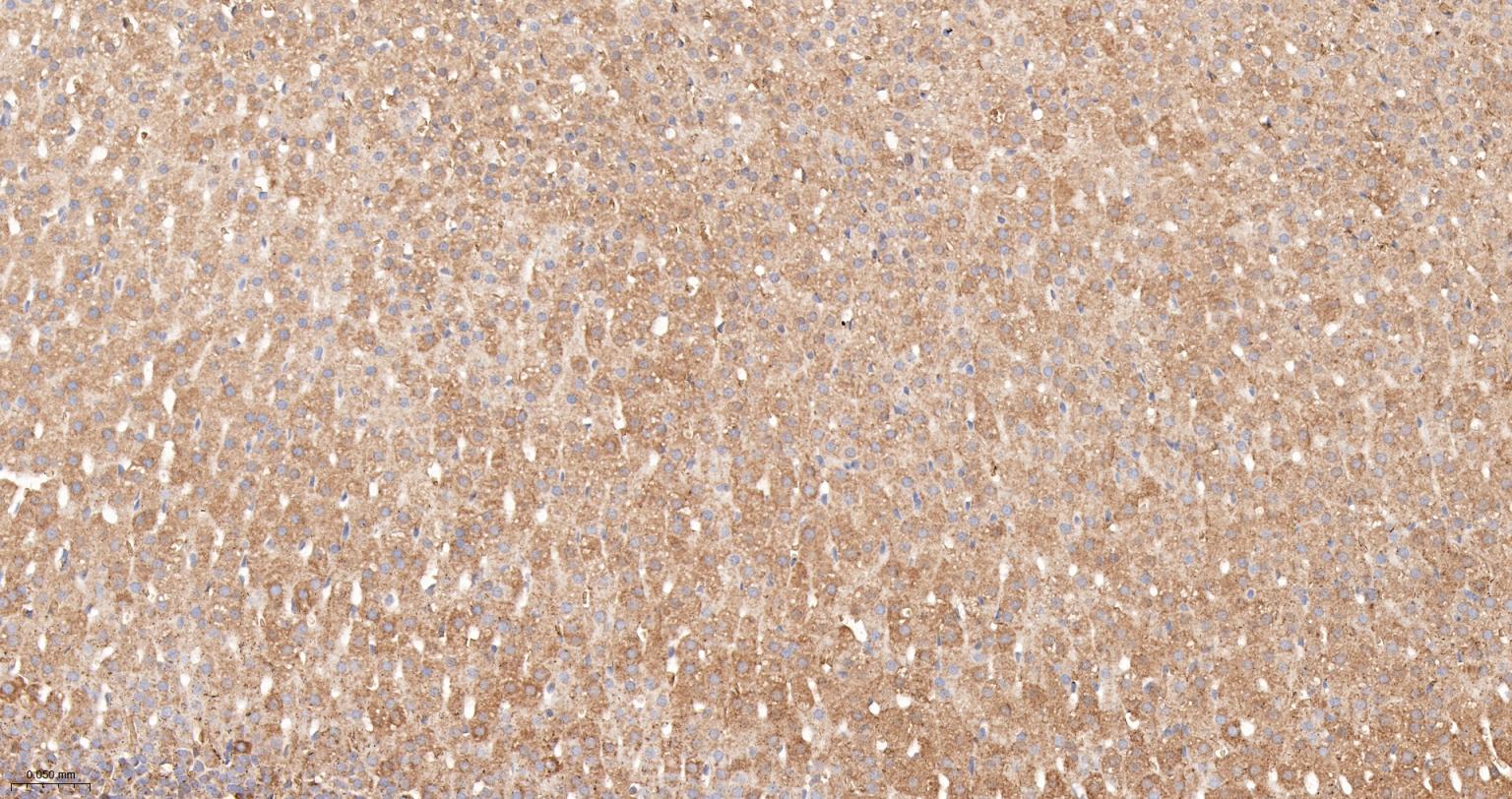
Figure 4. Paraformaldehyde-fixed, paraffin embedded (rat adrenal gland); Antigen retrieval by boiling in sodium citrate buffer (pH6.0) for 15min; Block endogenous peroxidase by 3% hydrogen peroxide for 20 minutes; Blocking buffer (normal goat serum) at 37°C for 30min; Antibody incubation with (SREBP1) Polyclonal Antibody, Unconjugated (SL1402R) at 1:200 overnight at 4°C, followed by operating according to SP Kit(Rabbit) (sp-0023) instructionsand DAB staining
Ordering & shipping
- Minimum order: 1 unit
- Lead time: varies with order quantity and specifications. Please consult your local distributor or our sales team for confirmation
- Payment: T/T 100% in advance; PayPal; Alibaba Trade Assurance
- Shipping: FedEx / DHL / UPS express; cold-chain packing available on request
- Price: USD, per unit (50ul / 100ul)
Partial purchase records(bought amounts latest1)
| Username | Quantity | bought time |
| Th*** | 1 | 2026-02-17 |
User Comment(Total0User Comment Num)
- No comment


 +86 571 56623320

 SUNLONG BIOTECH


