Details
Product Name HSTF2 Chinese Name 热休克转录因子2抗体 Alias Heat shock factor protein 2; Heat shock transcription factor 2; HSF 2; HSF2; HSTF 2; HSF2_HUMAN. Research Area Tumour Cell biology immunology Neurobiology Apoptosis transcriptional regulatory factor Immunogen Species Rabbit Clonality Polyclonal React Species Human, Mouse, Rat Applications WB (1:500-2000), IHC-P (1:100-500), IHC-F (1:100-500), IF (1:100-500), Flow-Cyt (1ug/Test), ICC/IF (1:100-500)
Not yet tested in other applications.
Optimal working dilutions must be determined by the end user.Theoretical molecular weight 59kDa Cellular localization The nucleus cytoplasmic Form Liquid Concentration 1mg/ml immunogen KLH conjugated synthetic peptide derived from human HSTF2: 401-536/536 Lsotype IgG Purification affinity purified by Protein A Buffer Solution Human,Mouse,Rat1M TBS(pH7.4) with 1% BSA, Human,Mouse,Rat3% Proclin300 and 50% Glycerol. Storage Shipped at 4℃. Store at -20 °C for one year. Avoid repeated freeze/thaw cycles. Attention This product as supplied is intended for research use only, not for use in human, therapeutic or diagnostic applications. PubMed PubMed Product Detail The protein encoded by this gene belongs to the HSF family of transcription factors that bind specifically to the heat-shock promoter element and activate transcription. Heat shock transcription factors activate heat-shock response genes under conditions of heat or other stresses. Alternatively spliced transcript variants encoding different isoforms have been found for this gene. [provided by RefSeq, Jul 2011].
Function:
DNA-binding protein that specifically binds heat shock promoter elements (HSE) and activates transcription. In higher eukaryotes, HSF is unable to bind to the HSE unless the cells are heat shocked.
Subunit:
DNA-binding homotrimer in stressed or heat shocked cells, otherwise found as a homodimer.
Subcellular Location:
Cytoplasm. Nucleus. Cytoplasmic during normal growth and moves to the nucleus upon activation.
Similarity:
Belongs to the HSF family.
SWISS:
Q03933
Gene ID:
3298
Database links:Entrez Gene: 3298 Human
Entrez Gene: 15500 Mouse
Omim: 140581 Human
SwissProt: Q03933 Human
SwissProt: P38533 Mouse
Unigene: 158195 Human
Unigene: 261395 Mouse
Unigene: 447362 Mouse
transcriptional regulatory factor(Transcriptin Regulators)
The main function of heat shock transcription factor in the heat shock response is to initiate the gene transcription process during the expression of heat shock genes and promote the expression of heat shock proteins.Product Picture
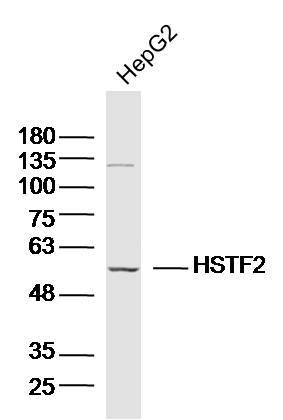
Figure 1. Sample: HepG2 Cell(Human)Lysate at 30 ug Primary: Anti- HSTF2 (SL1409R)at 1/300 dilution Secondary: IRDye800CW Goat Anti-Rabbit IgG at 1/20000 dilution Predicted band size: 59kD Observed band size: 59kD
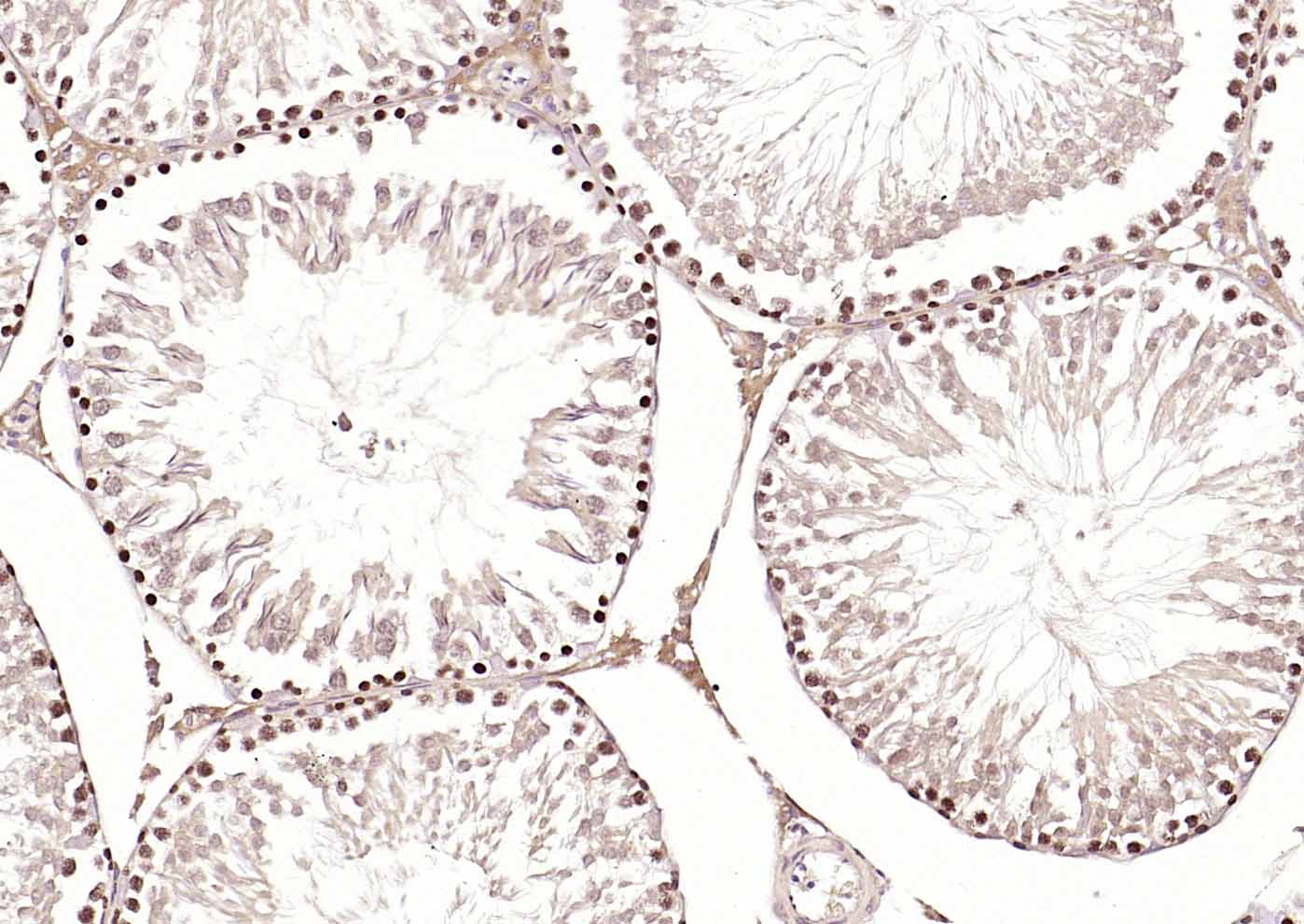
Figure 2. Paraformaldehyde-fixed, paraffin embedded (rat testis); Antigen retrieval by boiling in sodium citrate buffer (pH6.0) for 15min; Block endogenous peroxidase by 3% hydrogen peroxide for 20 minutes; Blocking buffer (normal goat serum) at 37°C for 30min; Incubation with (HSTF2 ) Polyclonal Antibody, Unconjugated (SL1409R) at 1:200 overnight at 4°C, followed by operating according to SP Kit(Rabbit) (sp-0023) instructionsand DAB staining
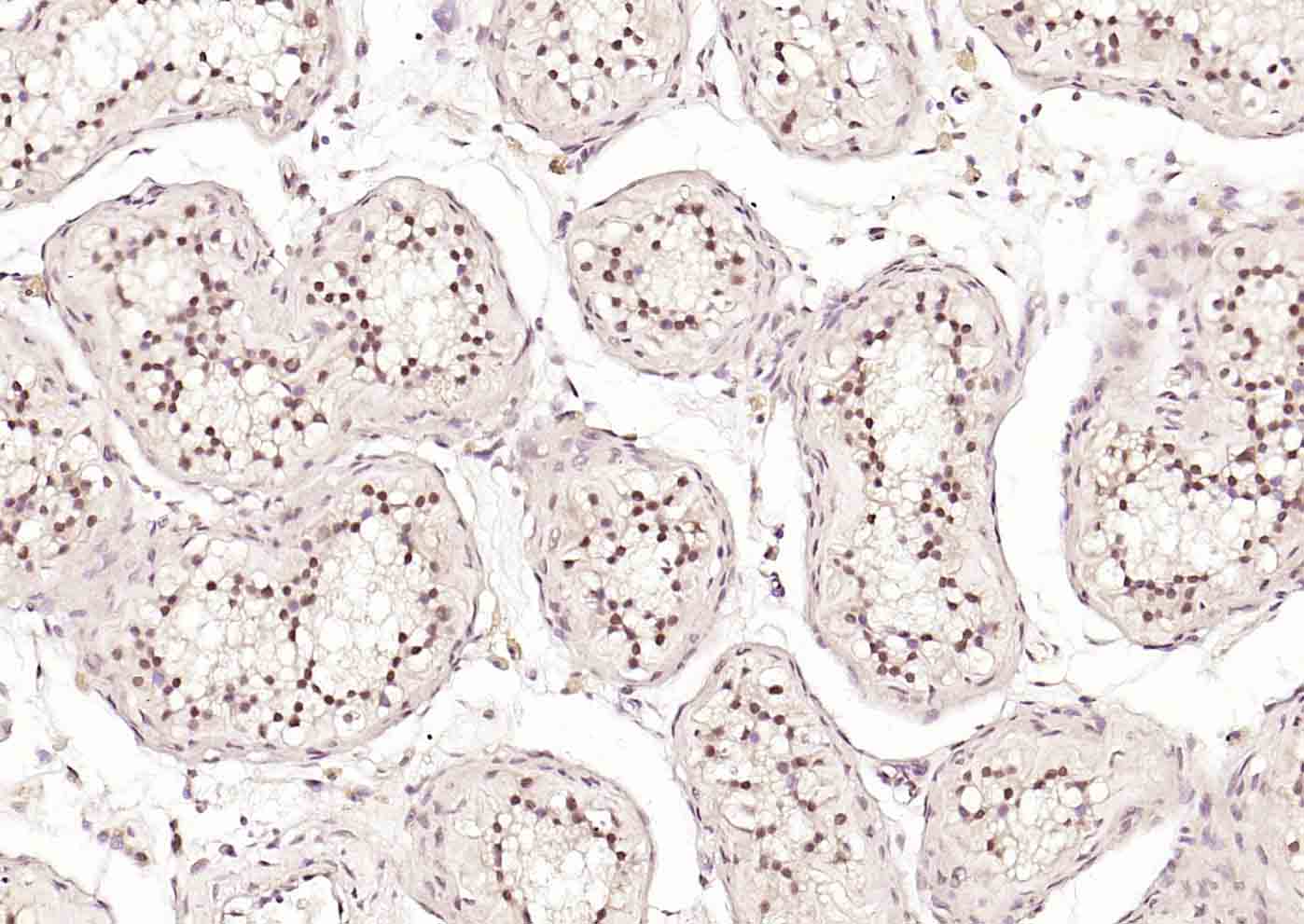
Figure 3. Paraformaldehyde-fixed, paraffin embedded (human testis); Antigen retrieval by boiling in sodium citrate buffer (pH6.0) for 15min; Block endogenous peroxidase by 3% hydrogen peroxide for 20 minutes; Blocking buffer (normal goat serum) at 37°C for 30min; Incubation with (HSTF2 ) Polyclonal Antibody, Unconjugated (SL1409R) at 1:200 overnight at 4°C, followed by operating according to SP Kit(Rabbit) (sp-0023) instructionsand DAB staining
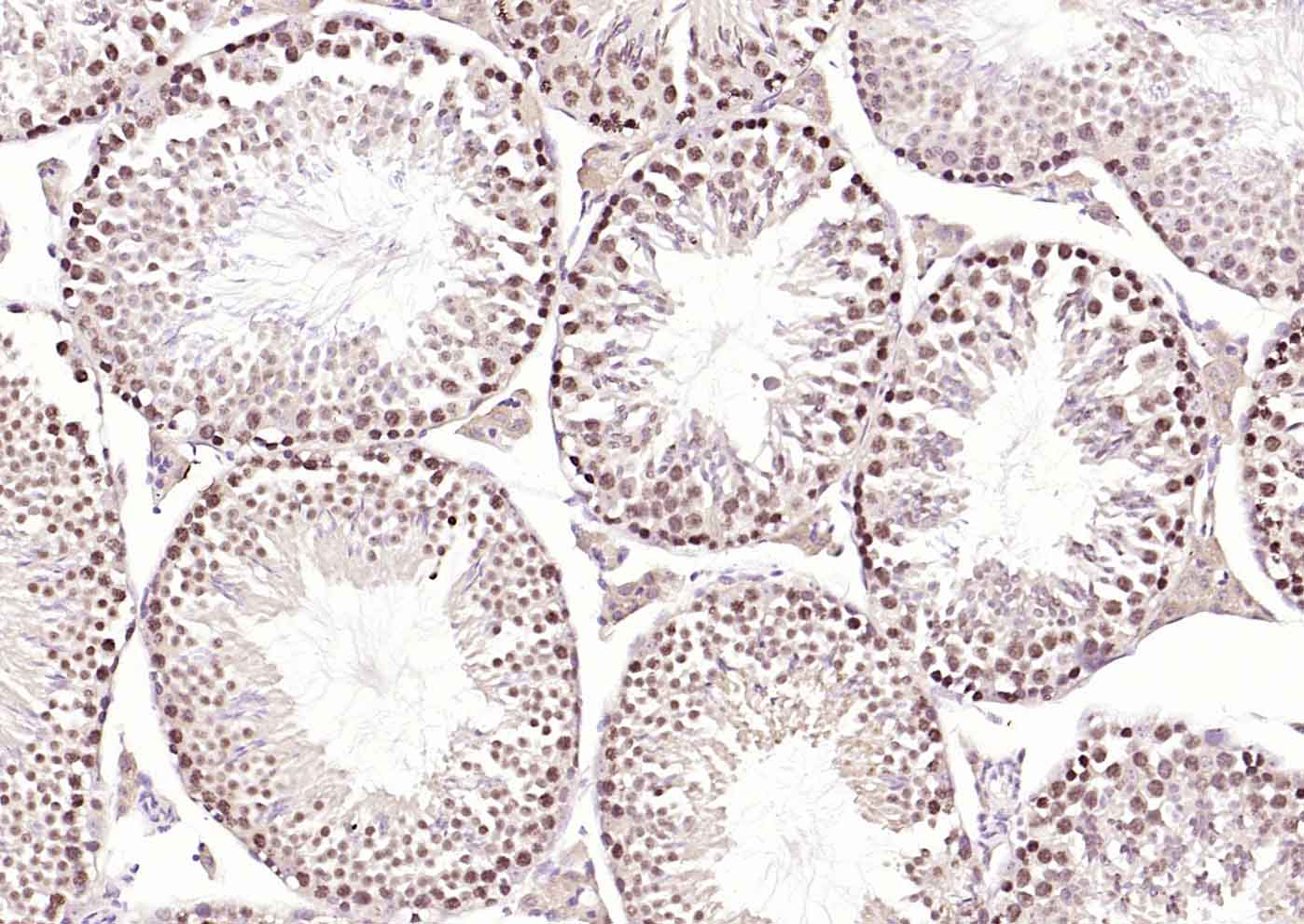
Figure 4. Paraformaldehyde-fixed, paraffin embedded (mouse testis); Antigen retrieval by boiling in sodium citrate buffer (pH6.0) for 15min; Block endogenous peroxidase by 3% hydrogen peroxide for 20 minutes; Blocking buffer (normal goat serum) at 37°C for 30min; Incubation with (HSTF2 ) Polyclonal Antibody, Unconjugated (SL1409R) at 1:200 overnight at 4°C, followed by operating according to SP Kit(Rabbit) (sp-0023) instructionsand DAB staining
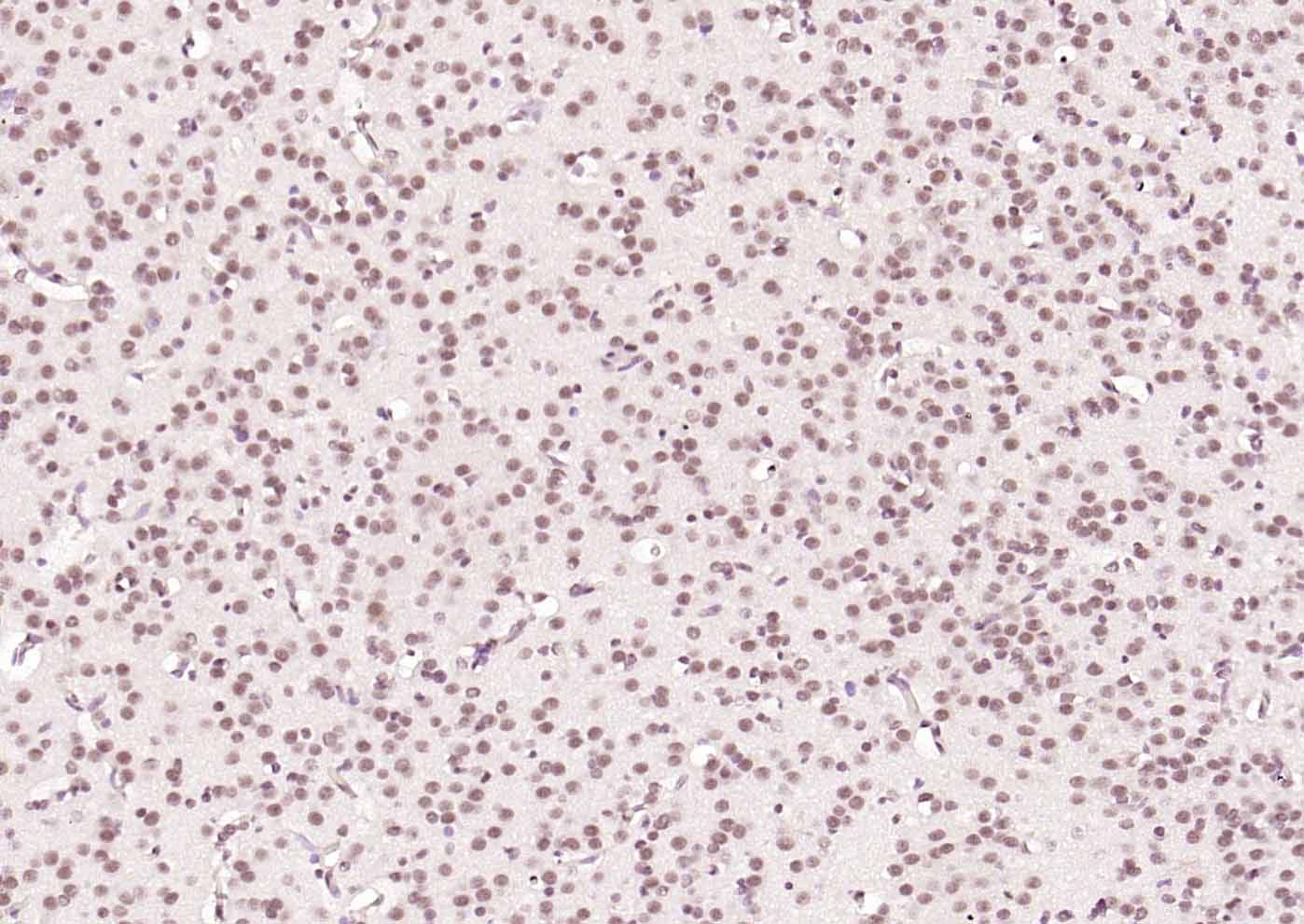
Figure 5. Paraformaldehyde-fixed, paraffin embedded (rat brain); Antigen retrieval by boiling in sodium citrate buffer (pH6.0) for 15min; Block endogenous peroxidase by 3% hydrogen peroxide for 20 minutes; Blocking buffer (normal goat serum) at 37°C for 30min; Incubation with (HSTF2 ) Polyclonal Antibody, Unconjugated (SL1409R) at 1:200 overnight at 4°C, followed by operating according to SP Kit(Rabbit) (sp-0023) instructionsand DAB staining
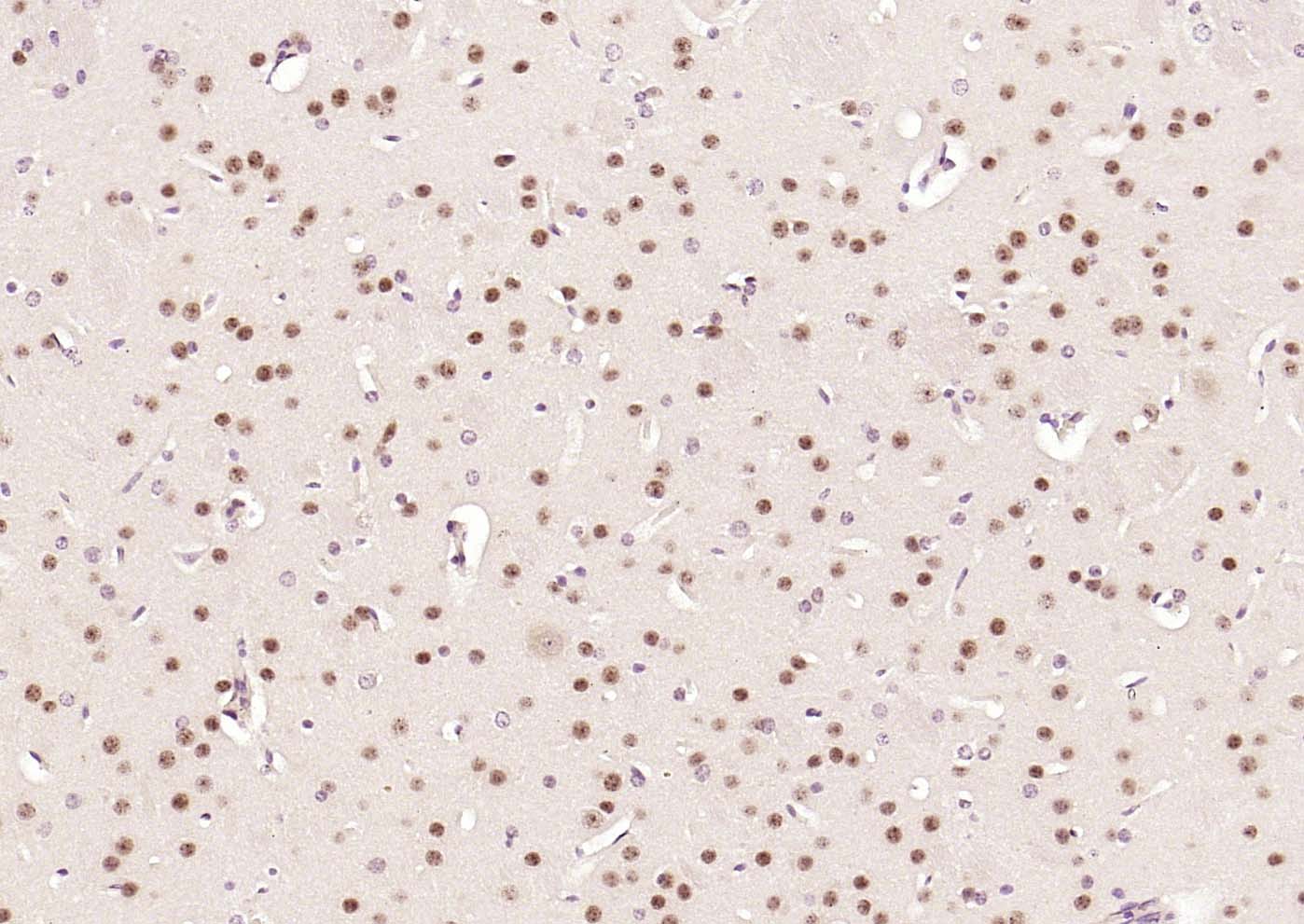
Figure 6. Paraformaldehyde-fixed, paraffin embedded (mouse brain); Antigen retrieval by boiling in sodium citrate buffer (pH6.0) for 15min; Block endogenous peroxidase by 3% hydrogen peroxide for 20 minutes; Blocking buffer (normal goat serum) at 37°C for 30min; Incubation with (HSTF2 ) Polyclonal Antibody, Unconjugated (SL1409R) at 1:200 overnight at 4°C, followed by operating according to SP Kit(Rabbit) (sp-0023) instructionsand DAB staining
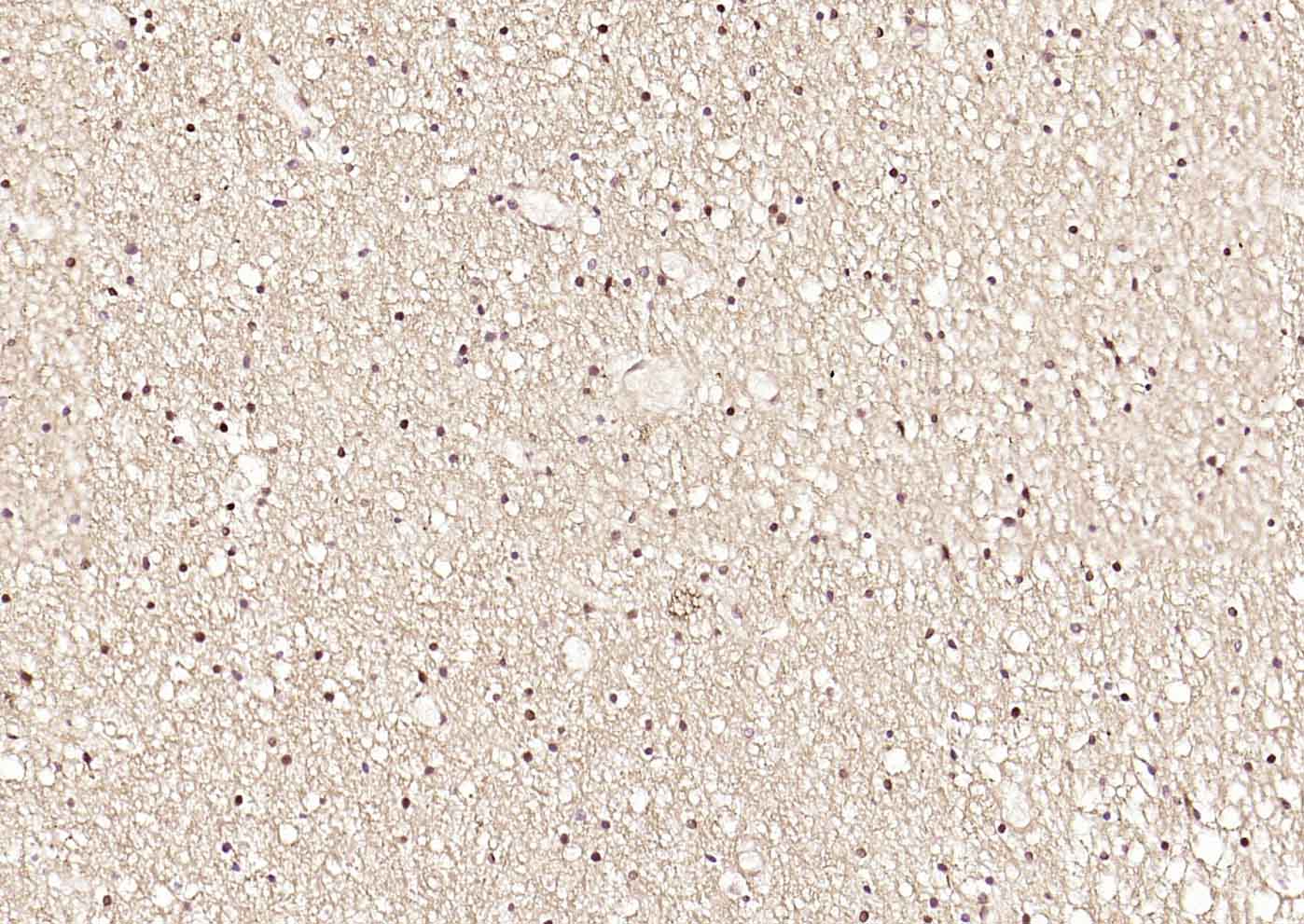
Figure 7. Paraformaldehyde-fixed, paraffin embedded (human brain); Antigen retrieval by boiling in sodium citrate buffer (pH6.0) for 15min; Block endogenous peroxidase by 3% hydrogen peroxide for 20 minutes; Blocking buffer (normal goat serum) at 37°C for 30min; Incubation with (HSTF2 ) Polyclonal Antibody, Unconjugated (SL1409R) at 1:200 overnight at 4°C, followed by operating according to SP Kit(Rabbit) (sp-0023) instructionsand DAB staining
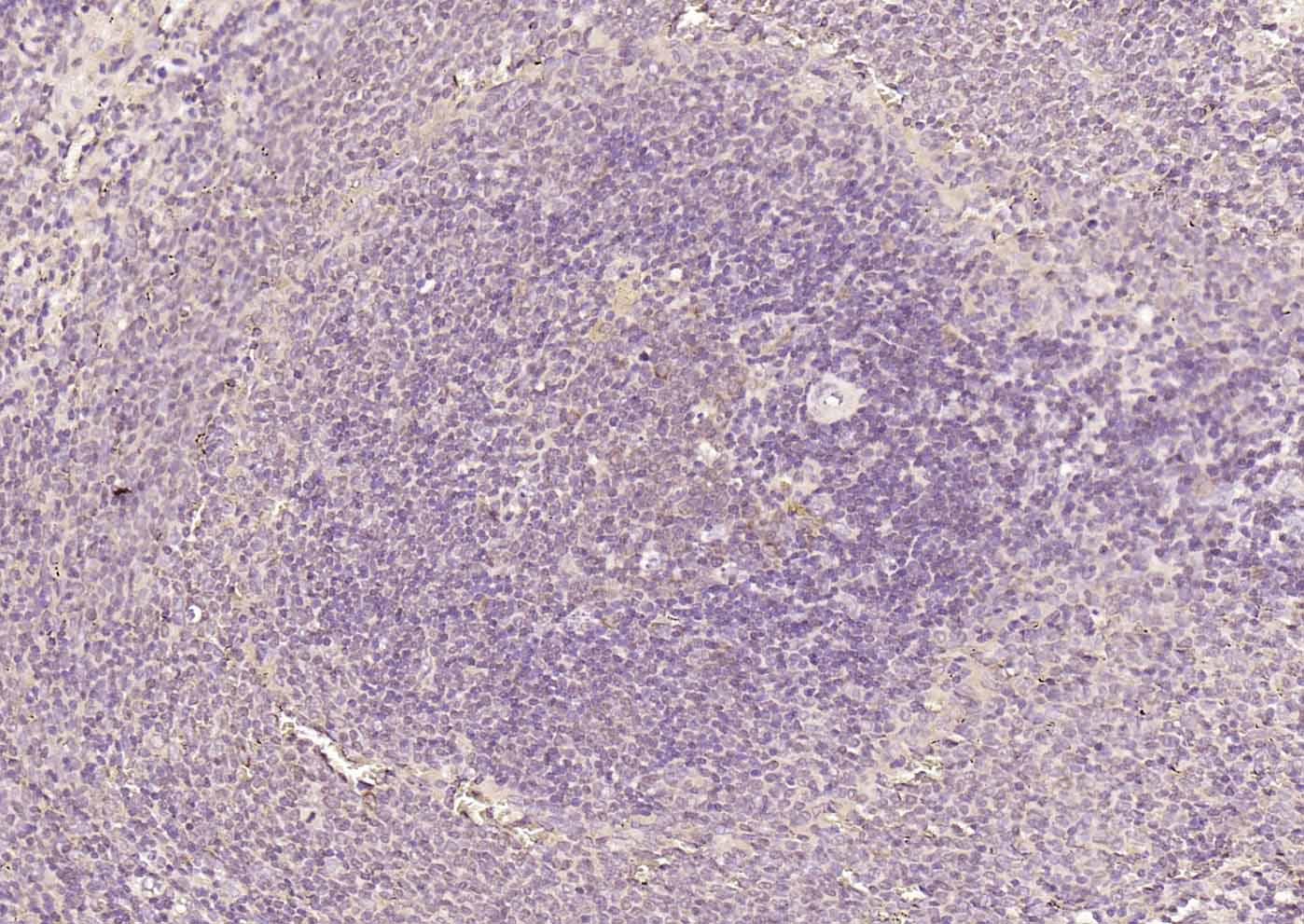
Figure 8. Paraformaldehyde-fixed, paraffin embedded (rat spleen); Antigen retrieval by boiling in sodium citrate buffer (pH6.0) for 15min; Block endogenous peroxidase by 3% hydrogen peroxide for 20 minutes; Blocking buffer (normal goat serum) at 37°C for 30min; Incubation with (HSTF2 ) Polyclonal Antibody, Unconjugated (SL1409R) at 1:200 overnight at 4°C, followed by operating according to SP Kit(Rabbit) (sp-0023) instructionsand DAB staining
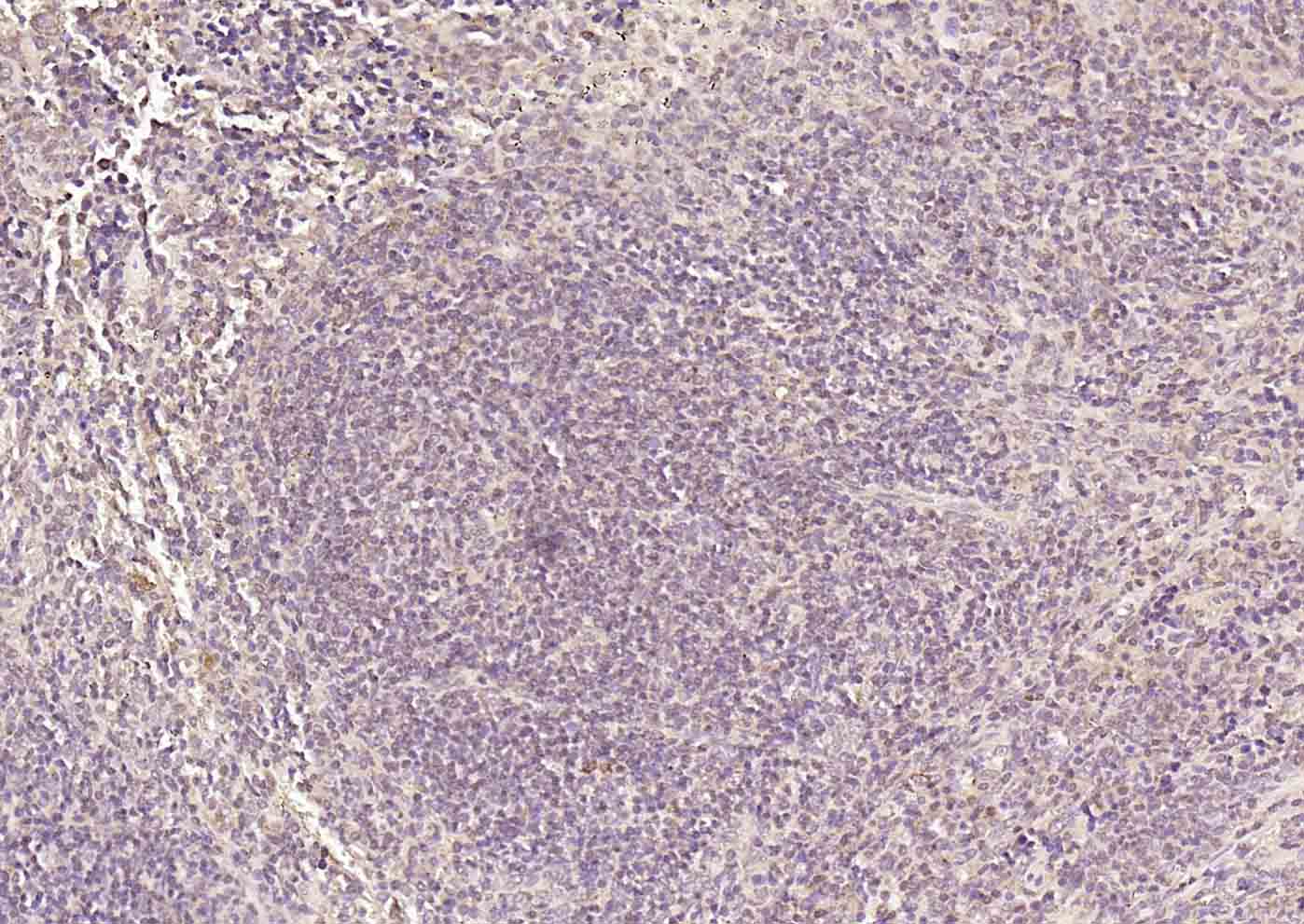
Figure 9. Paraformaldehyde-fixed, paraffin embedded (mouse spleen); Antigen retrieval by boiling in sodium citrate buffer (pH6.0) for 15min; Block endogenous peroxidase by 3% hydrogen peroxide for 20 minutes; Blocking buffer (normal goat serum) at 37°C for 30min; Incubation with (HSTF2 ) Polyclonal Antibody, Unconjugated (SL1409R) at 1:200 overnight at 4°C, followed by operating according to SP Kit(Rabbit) (sp-0023) instructionsand DAB staining
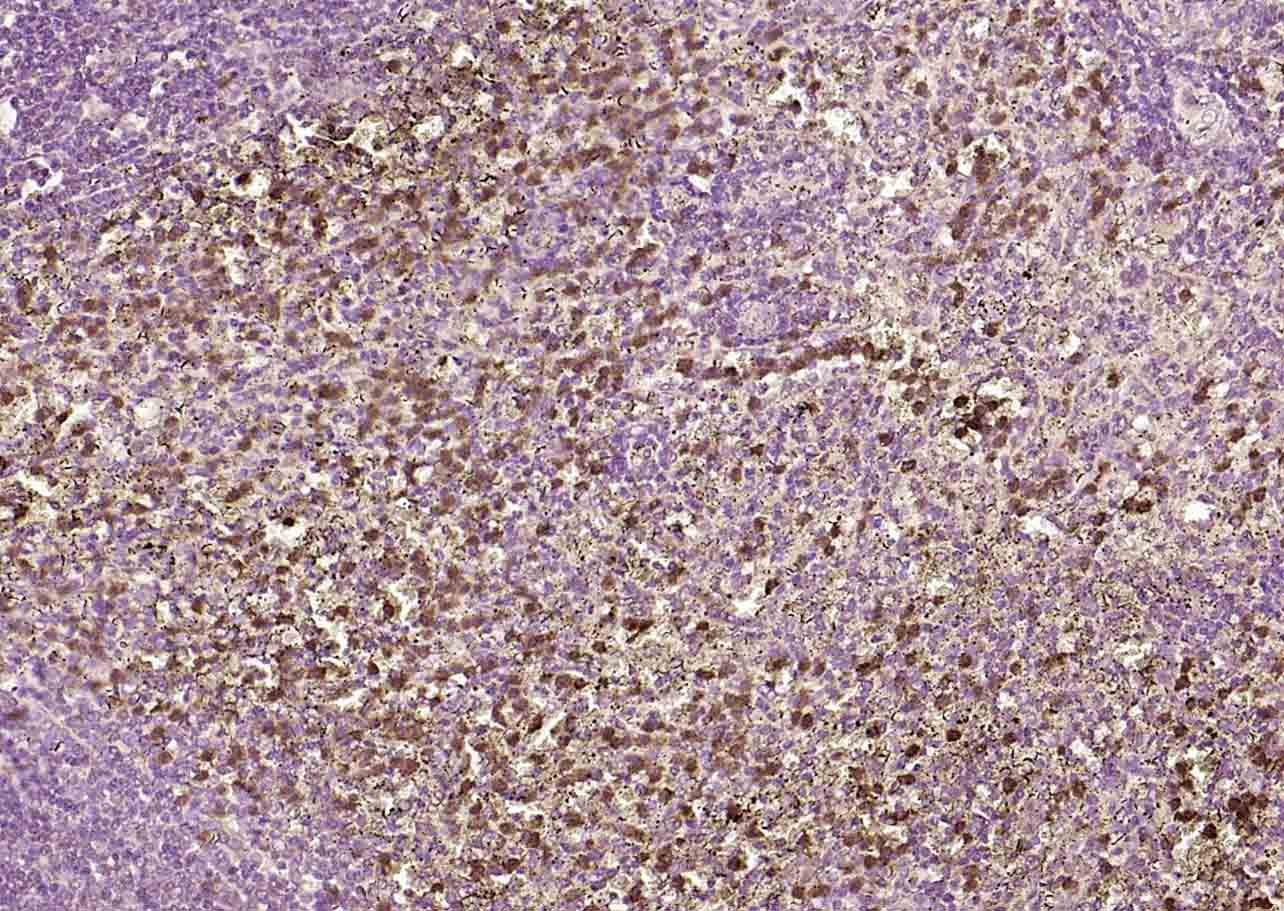
Figure 10. Paraformaldehyde-fixed, paraffin embedded (human spleen); Antigen retrieval by boiling in sodium citrate buffer (pH6.0) for 15min; Block endogenous peroxidase by 3% hydrogen peroxide for 20 minutes; Blocking buffer (normal goat serum) at 37°C for 30min; Incubation with (HSTF2 ) Polyclonal Antibody, Unconjugated (SL1409R) at 1:200 overnight at 4°C, followed by operating according to SP Kit(Rabbit) (sp-0023) instructionsand DAB staining
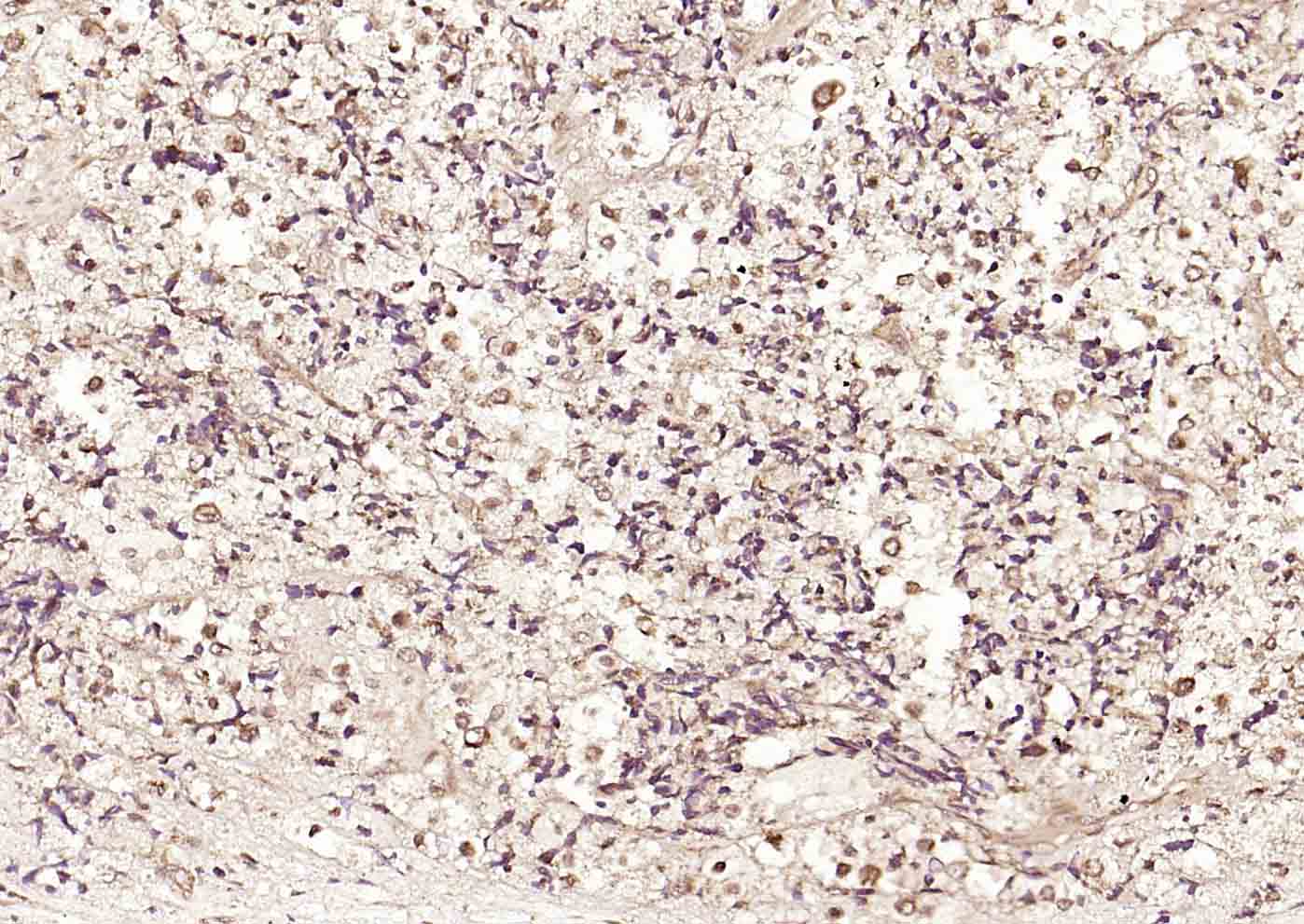
Figure 11. Paraformaldehyde-fixed, paraffin embedded (human Prostate tumor); Antigen retrieval by boiling in sodium citrate buffer (pH6.0) for 15min; Block endogenous peroxidase by 3% hydrogen peroxide for 20 minutes; Blocking buffer (normal goat serum) at 37°C for 30min; Incubation with (HSTF2 ) Polyclonal Antibody, Unconjugated (SL1409R) at 1:200 overnight at 4°C, followed by operating according to SP Kit(Rabbit) (sp-0023) instructionsand DAB staining
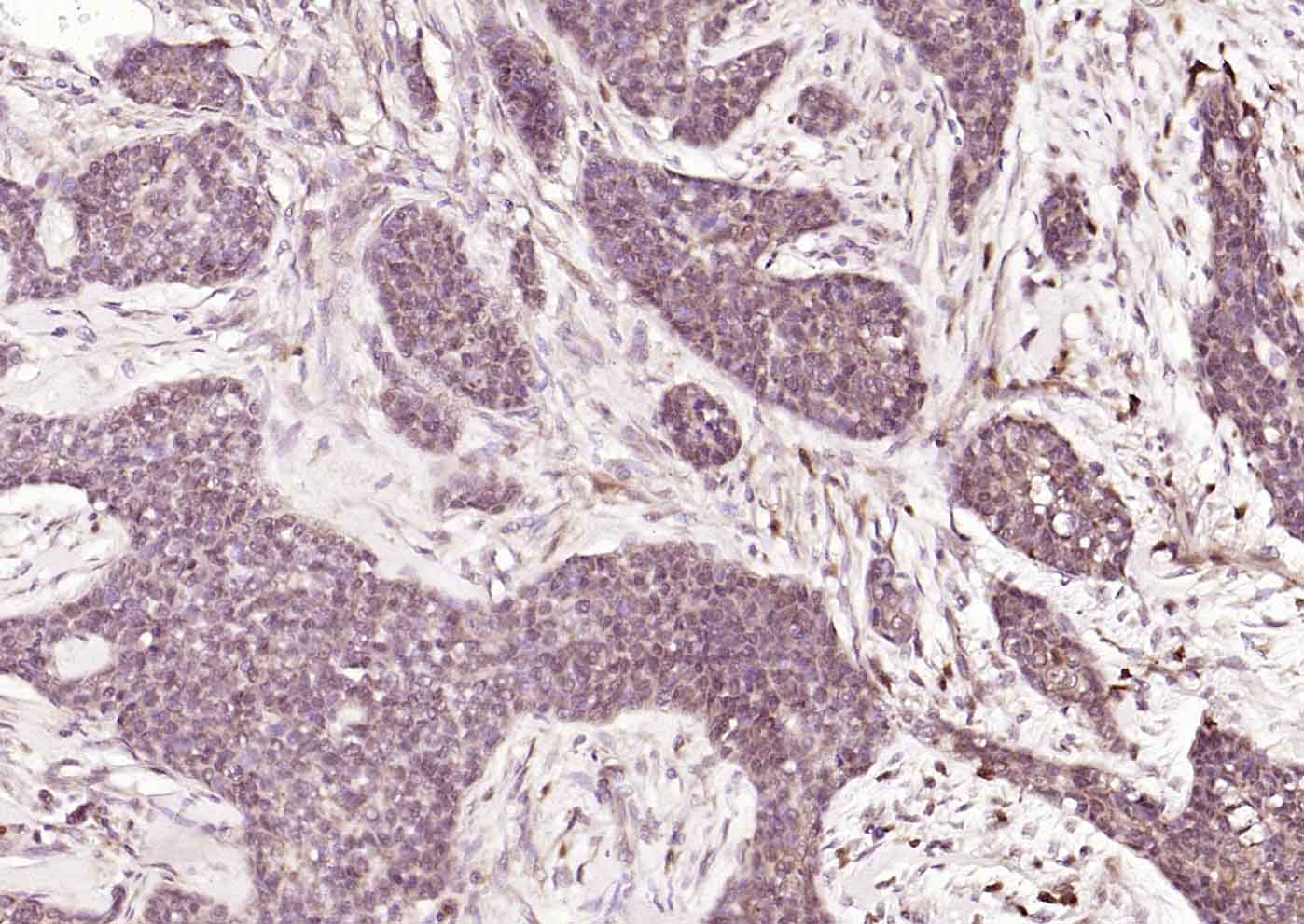
Figure 12. Paraformaldehyde-fixed, paraffin embedded (human breast carcinoma); Antigen retrieval by boiling in sodium citrate buffer (pH6.0) for 15min; Block endogenous peroxidase by 3% hydrogen peroxide for 20 minutes; Blocking buffer (normal goat serum) at 37°C for 30min; Incubation with (HSTF2 ) Polyclonal Antibody, Unconjugated (SL1409R) at 1:200 overnight at 4°C, followed by operating according to SP Kit(Rabbit) (sp-0023) instructionsand DAB staining
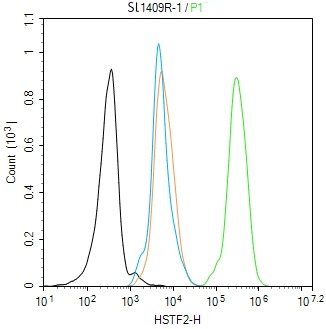
Figure 13. Blank control (black line) :Hela. Primary Antibody (green line): Rabbit Anti-HSTF2 antibody (SL1409R) Dilution:1ug/Test; Secondary Antibody (white blue line) : Goat anti-rabbit IgG-FITC Dilution: 0.5ug/Test. Isotype control (orange line) : Normal Rabbit IgG Protocol The cells were fixed with 4% PFA (10min at room temperature)and then permeabilized with 90% ice-cold methanol for 20 min at -20℃, The cells were then incubated in 5%BSA to block non-specific protein-protein interactions for 30 min at room temperature.Cells stained with Primary Antibody for 30 min at room temperature. The secondary antibody used for 40 min at room temperature. Acquisition of 20,000 events was performed
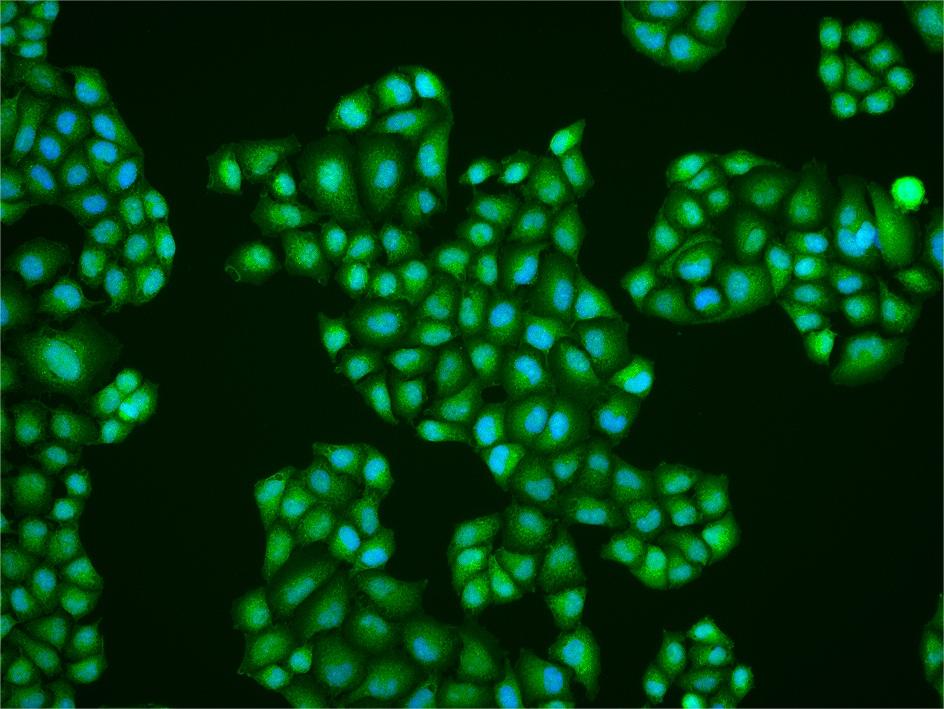
Figure 14. Hela cell; 4% Paraformaldehyde-fixed; Triton X-100 at room temperature for 20 min; Blocking buffer (normal goat serum, C-0005) at 37°C for 20 min; Antibody incubation with (HSTF2) polyclonal Antibody, Unconjugated (SL1409R) 1:100, 90 minutes at 37°C; followed by a conjugated Goat Anti-Rabbit IgG antibody at 37°C for 90 minutes, DAPI (blue, C02-04002) was used to stain the cell nuclei
Ordering & shipping
- Minimum order: 1 unit
- Lead time: varies with order quantity and specifications. Please consult your local distributor or our sales team for confirmation
- Payment: T/T 100% in advance; PayPal; Alibaba Trade Assurance
- Shipping: FedEx / DHL / UPS express; cold-chain packing available on request
- Price: USD, per unit (50ul / 100ul)
Partial purchase records(bought amounts latest6)
| Username | Quantity | bought time |
| Um*** | 1 | 2026-05-27 |
| La*** | 1 | 2026-04-18 |
| Ja*** | 1 | 2026-03-22 |
| Um*** | 1 | 2026-03-14 |
| Em*** | 1 | 2026-03-12 |
User Comment(Total0User Comment Num)
- No comment


 +86 571 56623320

 SUNLONG BIOTECH


