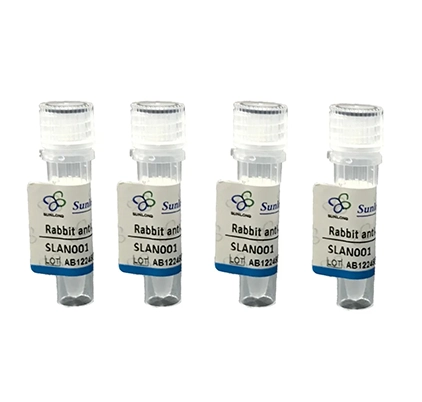
Details
Product Name BMPR1A Chinese Name 骨成型蛋白受体1A抗体 Alias BMPR-1A; Activin A receptor type II like kinase 3; Activin receptor like kinase 3; ACVRLK 3; ACVRLK3; ALK 3; ALK3; BMPR 1A; Bmpr; Bone morphogenetic protein receptor type IA; Bone morphogenetic protein receptor type IA precursor; BR 1a; BR1a; CD 292; CD292; CD292 antigen; EC 2.7.11.30; Serine threonine protein kinase receptor R5; Serine threonine protein kinase receptor R5 precursor; SKR 5; SKR5; zBMPR IA; zBMPRIA. Research Area Tumour Cardiovascular Cell biology Signal transduction Stem cells Growth factors and hormones transcriptional regulatory factor Kinases and Phosphatases Cell membrane receptors Cell Surface Molecule Immunogen Species Rabbit Clonality Polyclonal React Species Human, Mouse, Rat Applications WB (1:500-2000), IHC-P (1:100-500), IHC-F (1:100-500), IF (1:100-500), Flow-Cyt (1ug/Test)
Not yet tested in other applications.
Optimal working dilutions must be determined by the end user.Theoretical molecular weight 60kDa Cellular localization The cell membrane Form Liquid Concentration 1mg/ml immunogen KLH conjugated synthetic peptide derived from human BMPR-1A: 101-200/532 <Extracellular> Lsotype IgG Purification affinity purified by Protein A Buffer Solution 1M TBS(pH7.4) with 1% BSA, 3% Proclin300 and 50% Glycerol. Storage Shipped at 4℃. Store at -20 °C for one year. Avoid repeated freeze/thaw cycles. Attention This product as supplied is intended for research use only, not for use in human, therapeutic or diagnostic applications. PubMed PubMed Product Detail The bone morphogenetic protein (BMP) receptors are a family of transmembrane serine/threonine kinases that include the type I receptors BMPR1A and BMPR1B and the type II receptor BMPR2. These receptors are also closely related to the activin receptors, ACVR1 and ACVR2. The ligands of these receptors are members of the TGF-beta superfamily. TGF-betas and activins transduce their signals through the formation of heteromeric complexes with 2 different types of serine (threonine) kinase receptors: type I receptors of about 50-55 kD and type II receptors of about 70-80 kD. Type II receptors bind ligands in the absence of type I receptors, but they require their respective type I receptors for signaling, whereas type I receptors require their respective type II receptors for ligand binding. [provided by RefSeq].
Function:
On ligand binding, forms a receptor complex consisting of two type II and two type I transmembrane serine/threonine kinases. Type II receptors phosphorylate and activate type I receptors which autophosphorylate, then bind and activate SMAD transcriptional regulators. Receptor for BMP-2 and BMP-4.
Subcellular Location:
Membrane; Single-pass type I membrane protein.
Tissue Specificity:
Highly expressed in skeletal muscle.
DISEASE:
Defects in BMPR1A are a cause of juvenile polyposis syndrome (JPS) [MIM:174900]; also known as juvenile intestinal polyposis (JIP). JPS is an autosomal dominant gastrointestinal hamartomatous polyposis syndrome in which patients are at risk for developing gastrointestinal cancers. The lesions are typified by a smooth histological appearance, predominant stroma, cystic spaces and lack of a smooth muscle core. Multiple juvenile polyps usually occur in a number of Mendelian disorders. Sometimes, these polyps occur without associated features as in JPS; here, polyps tend to occur in the large bowel and are associated with an increased risk of colon and other gastrointestinal cancers.
Defects in BMPR1A are a cause of Cowden disease (CD) [MIM:158350]. CD is an autosomal dominant cancer syndrome characterized by multiple hamartomas and by a high risk for breast, thyroid and endometrial cancers.
Similarity:
Belongs to the protein kinase superfamily. TKL Ser/Thr protein kinase family. TGFB receptor subfamily.
Contains 1 GS domain.
Contains 1 protein kinase domain.
SWISS:
P36894
Gene ID:
657
Database links:Entrez Gene: 657 Human
Entrez Gene: 12166 Mouse
Omim: 601299 Human
SwissProt: P36894 Human
SwissProt: P36895 Mouse
Unigene: 524477 Human
Unigene: 237825 Mouse
Unigene: 88925 Rat
Product Picture
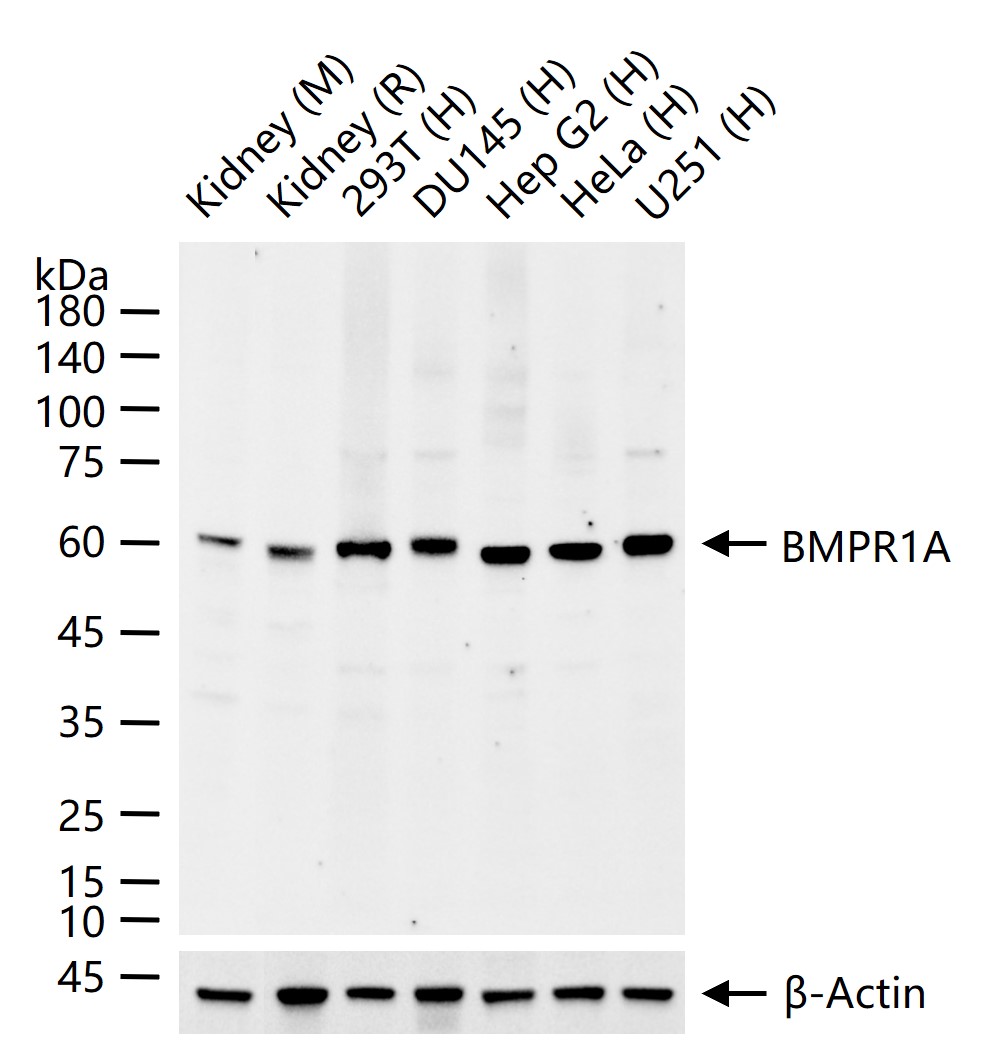
Figure 1. 25 ug total protein per lane of various lysates (see on figure) probed with BMPR1A polyclonal antibody, unconjugated (SL1509R) at 1:1000 dilution and 4°C overnight incubation. Followed by conjugated secondary antibody incubation at r.t. for 60 min
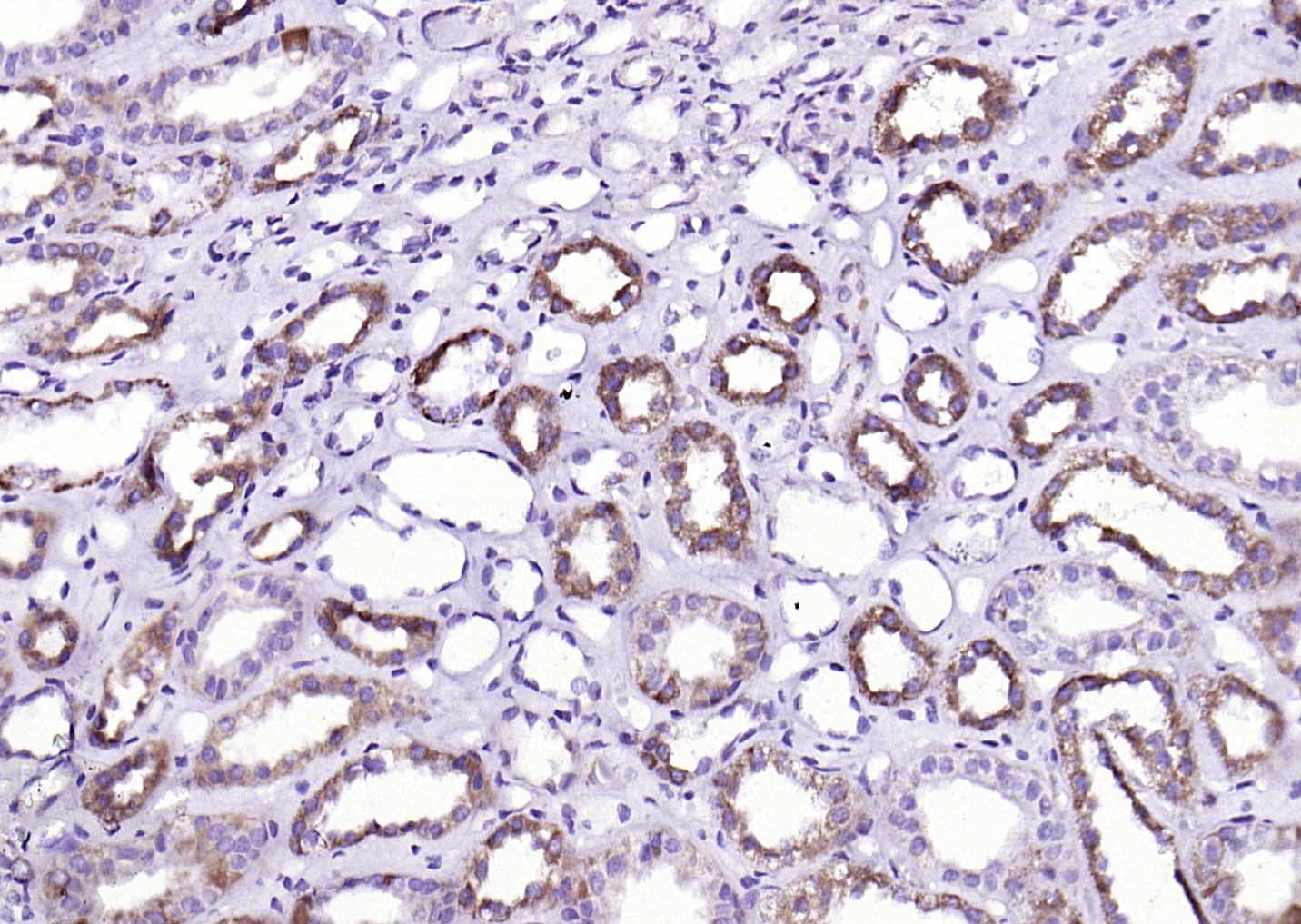
Figure 2. Paraformaldehyde-fixed, paraffin embedded (Human kidney); Antigen retrieval by boiling in sodium citrate buffer (pH6.0) for 15min; Block endogenous peroxidase by 3% hydrogen peroxide for 20 minutes; Blocking buffer (normal goat serum) at 37°C for 30min; Antibody incubation with (BMPR1A) Polyclonal Antibody, Unconjugated (SL1509R) at 1:200 overnight at 4°C, followed by operating according to SP Kit(Rabbit) (sp-0023) instructionsand DAB staining
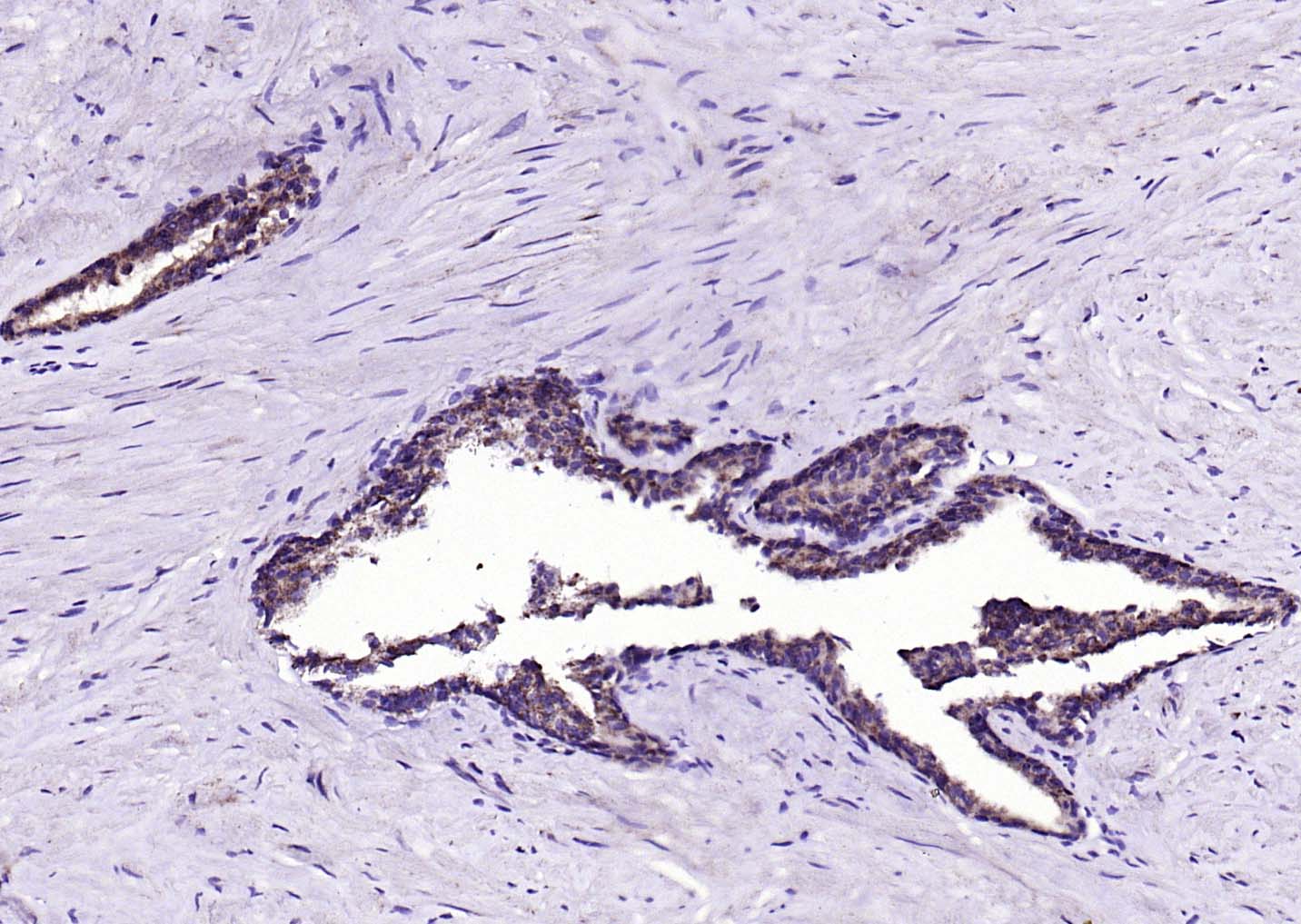
Figure 3. Paraformaldehyde-fixed, paraffin embedded (human prostate ); Antigen retrieval by boiling in sodium citrate buffer (pH6.0) for 15min; Block endogenous peroxidase by 3% hydrogen peroxide for 20 minutes; Blocking buffer (normal goat serum) at 37°C for 30min; Antibody incubation with (BMPR1A) Polyclonal Antibody, Unconjugated (SL1509R) at 1:200 overnight at 4°C, followed by operating according to SP Kit(Rabbit) (sp-0023) instructionsand DAB staining
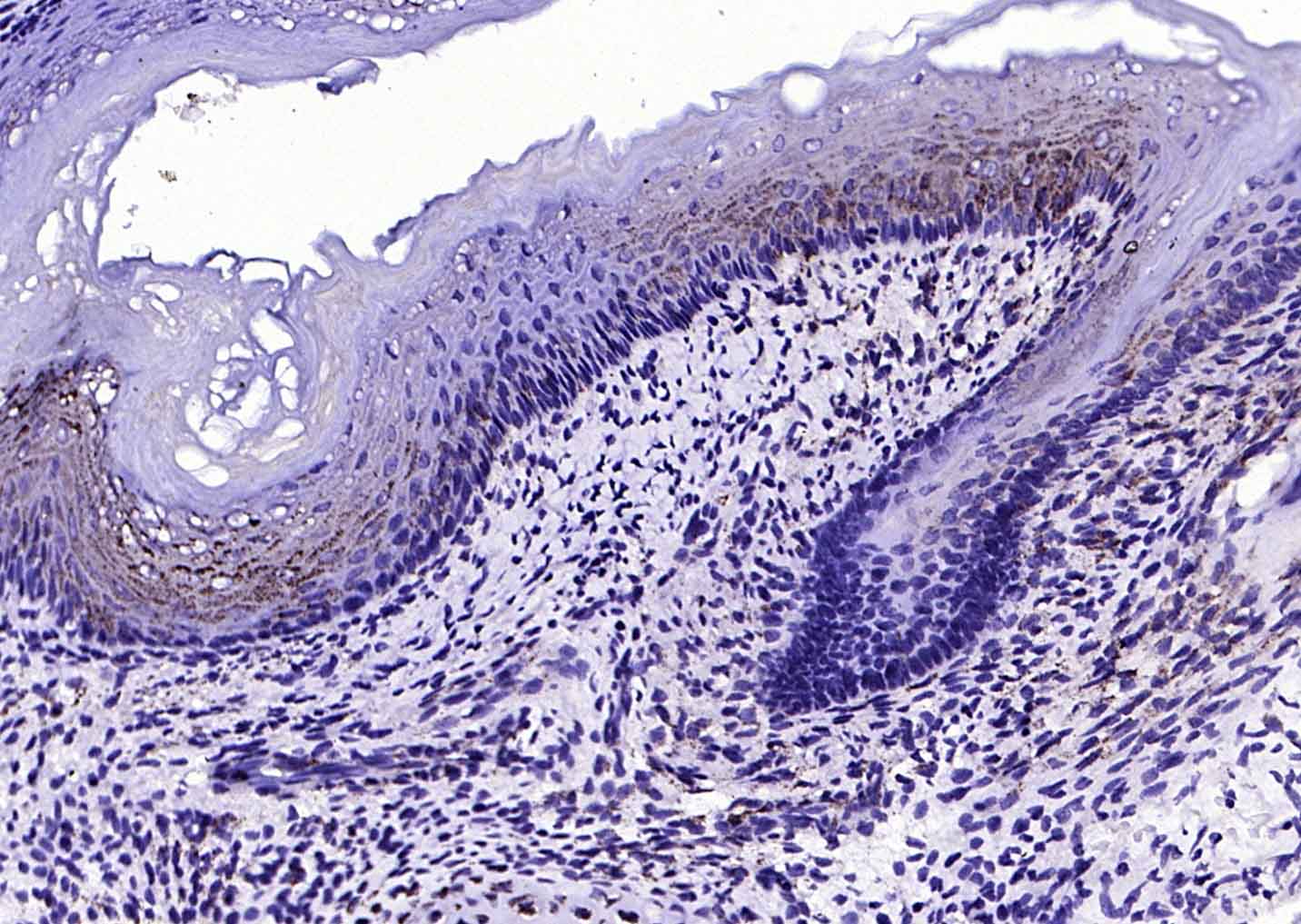
Figure 4. Paraformaldehyde-fixed, paraffin embedded (Rat bone); Antigen retrieval by boiling in sodium citrate buffer (pH6.0) for 15min; Block endogenous peroxidase by 3% hydrogen peroxide for 20 minutes; Blocking buffer (normal goat serum) at 37°C for 30min; Antibody incubation with (BMPR1A) Polyclonal Antibody, Unconjugated (SL1509R) at 1:200 overnight at 4°C, followed by operating according to SP Kit(Rabbit) (sp-0023) instructionsand DAB staining
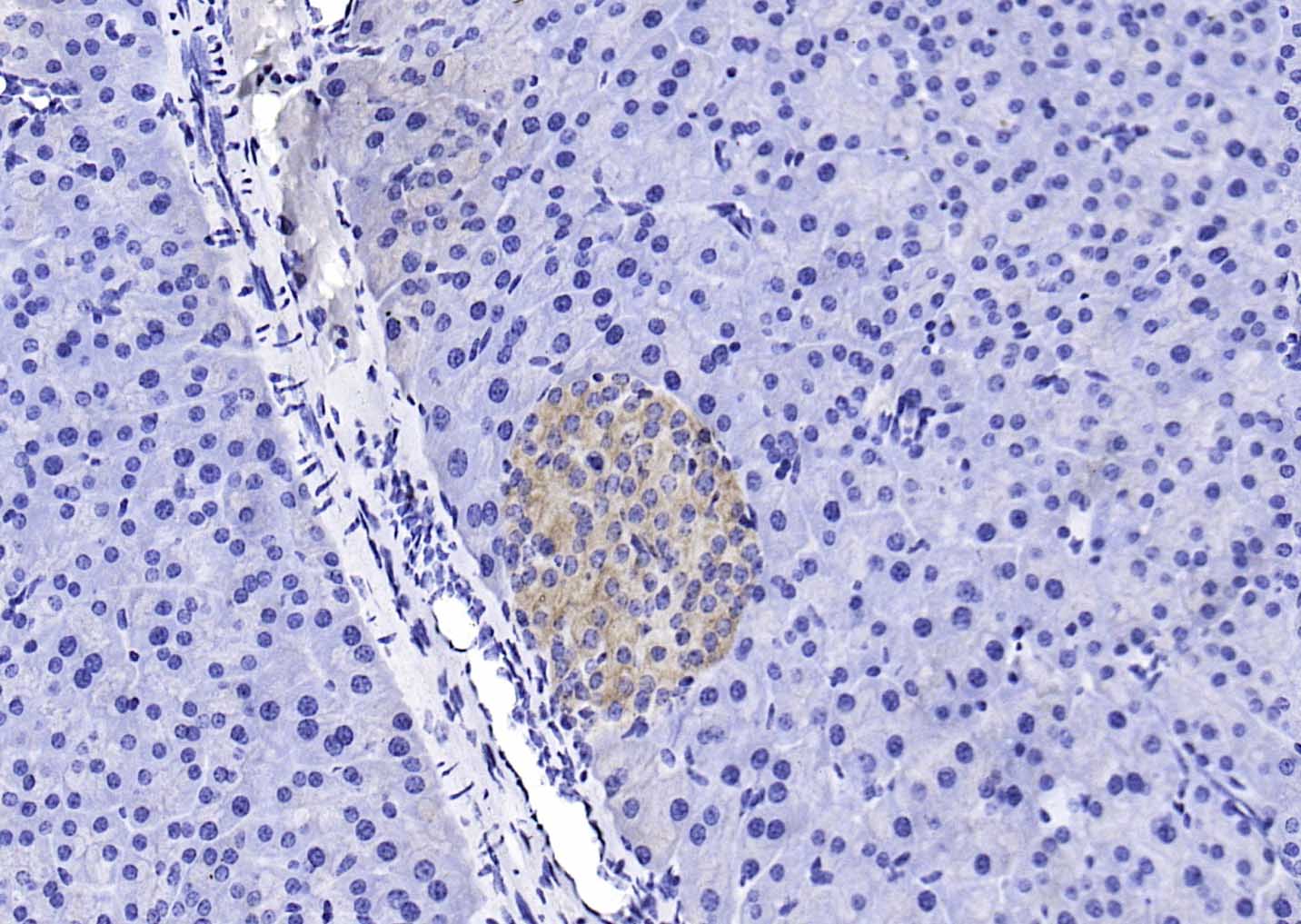
Figure 5. Paraformaldehyde-fixed, paraffin embedded (rat pancreas); Antigen retrieval by boiling in sodium citrate buffer (pH6.0) for 15min; Block endogenous peroxidase by 3% hydrogen peroxide for 20 minutes; Blocking buffer (normal goat serum) at 37°C for 30min; Antibody incubation with (BMPR1A) Polyclonal Antibody, Unconjugated (SL1509R) at 1:200 overnight at 4°C, followed by operating according to SP Kit(Rabbit) (sp-0023) instructionsand DAB staining
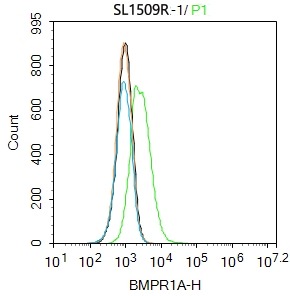
Figure 6. Blank control:A549. Primary Antibody (green line): Rabbit Anti-BMPR1A antibody (SL1509R) Dilution: 1ug/Test; Secondary Antibody: Goat anti-rabbit IgG-FITC Dilution: 0.5ug/Test. Protocol The cells were incubated in 5%BSA to block non-specific protein-protein interactions for 30 min at room temperature.Cells stained with Primary Antibody for 30 min at room temperature. The secondary antibody used for 40 min at room temperature. Acquisition of 20,000 events was performed
Ordering & shipping
- Minimum order: 1 unit
- Lead time: varies with order quantity and specifications. Please consult your local distributor or our sales team for confirmation
- Payment: T/T 100% in advance; PayPal; Alibaba Trade Assurance
- Shipping: FedEx / DHL / UPS express; cold-chain packing available on request
- Price: USD, per unit (50ul / 100ul)
Partial purchase records(bought amounts latest4)
| Username | Quantity | bought time |
| Ga*** | 1 | 2026-07-11 |
| Um*** | 1 | 2026-06-14 |
| Pa*** | 1 | 2026-06-12 |
| Ja*** | 1 | 2026-05-24 |
User Comment(Total0User Comment Num)
- No comment


 +86 571 56623320

 SUNLONG BIOTECH


