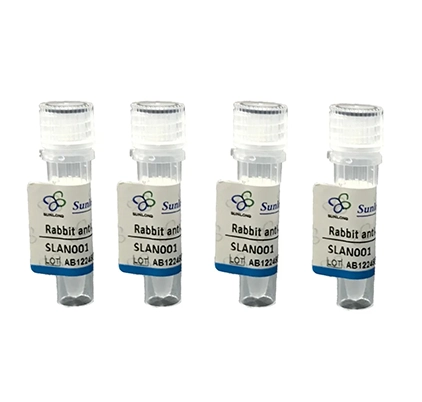
Details
Product Name CDKN2A/p16-INK4a Chinese Name 抑癌基因p16抗体 Alias cyclin-dependent kinase inhibitor 2A; CDK4I; p16-INK4; p16-INK4a; cyclin-dependent kinase 4 inhibitor A; cyclin-dependent kinase inhibitor 2A, isoform 1; Cyclin dependent kinase inhibitor 2A (p16, inhibits CDK4); cell cycle inhibitor; cyclin-dependent kinase inhibitor 2a p16Ink4a; cell cycle regulator; cyclin-dependent kinase inhibitor 2a p19Arf; cyclin-dependent kinase inhibitor 2A, isoform 2; Cdkn2a; Arf; INK4A; MTS1; p16; p16Cdkn2a; p19ARF; CD2A2_HUMAN. literatures Research Area Tumour Cell biology immunology Signal transduction Apoptosis Cyclin Immunogen Species Rabbit Clonality Polyclonal React Species Human,Mouse,Rat(predicted:Pig) Applications IHC-P (1:100-500), IHC-F (1:100-500), IF (1:100-500)
Not yet tested in other applications.
Optimal working dilutions must be determined by the end user.Theoretical molecular weight 17kDa Cellular localization The nucleus cytoplasmic Form Liquid Concentration 1mg/ml immunogen KLH conjugated synthetic peptide derived from human CDKN2A/p16-INK4a : 61-156/156 Lsotype IgG Purification affinity purified by Protein A Buffer Solution 1M TBS(pH7.4) with 1% BSA, 3% Proclin300 and 50% Glycerol. Storage Shipped at 4℃. Store at -20 °C for one year. Avoid repeated freeze/thaw cycles. Attention This product as supplied is intended for research use only, not for use in human, therapeutic or diagnostic applications. PubMed PubMed Product Detail This gene generates several transcript variants which differ in their first exons. At least three alternatively spliced variants encoding distinct proteins have been reported, two of which encode structurally related isoforms known to function as inhibitors of CDK4 kinase. The remaining transcript includes an alternate first exon located 20 Kb upstream of the remainder of the gene; this transcript contains an alternate open reading frame (ARF) that specifies a protein which is structurally unrelated to the products of the other variants. This ARF product functions as a stabilizer of the tumor suppressor protein p53 as it can interact with, and sequester, the E3 ubiquitin-protein ligase MDM2, a protein responsible for the degradation of p53. In spite of the structural and functional differences, the CDK inhibitor isoforms and the ARF product encoded by this gene, through the regulatory roles of CDK4 and p53 in cell cycle G1 progression, share a common functionality in cell cycle G1 control. This gene is frequently mutated or deleted in a wide variety of tumors, and is known to be an important tumor suppressor gene. [provided by RefSeq, Sep 2012].
Function:
Acts as a negative regulator of the proliferation of normal cells by interacting strongly with CDK4 and CDK6. This inhibits their ability to interact with cyclins D and to phosphorylate the retinoblastoma protein.
Subunit:
Heterodimer with CDK4 or CDK6. Predominant p16 complexes contained CDK6. Interacts (isoforms 1,2 and 4) with CDK4 (both 'T-172'-phosphorylated and non-phosphorylated forms); the interaction inhibits cyclin D-CDK4 kinase activity. Interacts with ISCO2.
Subcellular Location:
Cytoplasm. Nucleus.
Tissue Specificity:
Widely expressed but not detected in brain or skeletal muscle. Isoform 3 is pancreas-specific.
DISEASE:
Note=The association between cutaneous and uveal melanomas in some families suggests that mutations in CDKN2A may account for a proportion of uveal melanomas. However, CDKN2A mutations are rarely found in uveal melanoma patients.
Defects in CDKN2A are the cause of cutaneous malignant melanoma type 2 (CMM2) [MIM:155601]. Malignant melanoma is a malignant neoplasm of melanocytes, arising de novo or from a pre-existing benign nevus, which occurs most often in the skin but also may involve other sites.
Defects in CDKN2A are the cause of familial atypical multiple mole melanoma-pancreatic carcinoma syndrome (FAMMMPC) [MIM:606719].
Defects in CDKN2A are a cause of Li-Fraumeni syndrome (LFS) [MIM:151623]. LFS is a highly penetrant familial cancer phenotype usually associated with inherited mutations in TP53. [DISEASE] Defects in CDKN2A are the cause of melanoma-astrocytoma syndrome (MASTS) [MIM:155755]. The melanoma-astrocytoma syndrome is characterized by a dual predisposition to melanoma and neural system tumors, commonly astrocytoma.
Similarity:
Belongs to the CDKN2 cyclin-dependent kinase inhibitor family.
Contains 4 ANK repeats.
SWISS:
P42771
Gene ID:
1029
Database links:Entrez Gene: 1029 Human
Entrez Gene: 12578 Mouse
Omim: 600160 Human
SwissProt: P42771 Human
SwissProt: P51480 Mouse
Unigene: 512599 Human
Unigene: 4733 Mouse
Unigene: 48717 Rat
Loss of cell cycle control is an important cause of carcinogenesis. p16 is the first tumor suppressor gene discovered in recent years that directly participates in cell cycle regulation, and its expression product is p16 protein.
The p16 gene is an important tumor suppressor gene that plays a negative feedback role in normal cells. When the p16 gene is mutated or lost, cell proliferation loses control, causing cells to proliferate without limit.
The main function of p16 is to prevent cells from progressing from G1 phase to S phase by inhibiting CDK4, thereby restricting cell proliferation. It is used in research on various malignant Tumours such as lung cancer, malignant melanoma, and breast cancer. Current research focuses on the cell cycle-dependent kinase inhibitor p16INK4a protein as a new marker in cervical intraepithelial lesions (CIN).
Overexpression of p16INK4a is closely related to the activity of the HPV E7 region (the viral early protein, i.e., the viral oncogene coding region).
The p16/CDKN2 gene is a recently discovered Tumour suppressor gene, and studies have shown that this gene exhibits deletion, mutation, or rearrangement in many Tumours.Product Picture
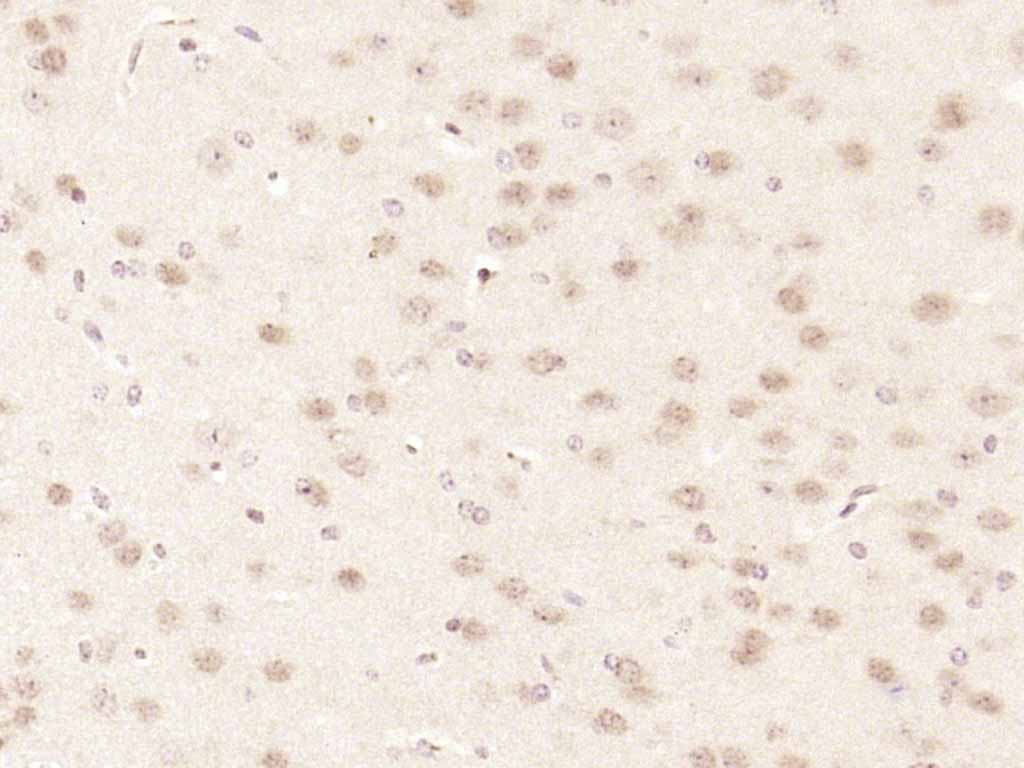
Figure 1. Paraformaldehyde-fixed, paraffin embedded (mouse brain); Antigen retrieval by boiling in sodium citrate buffer (pH6.0) for 15min; Block endogenous peroxidase by 3% hydrogen peroxide for 20 minutes; Blocking buffer (normal goat serum) at 37°C for 30min; Antibody incubation with (CDKN2A) Polyclonal Antibody, Unconjugated (SL23797R) at 1:200 overnight at 4°C, followed by operating according to SP Kit(Rabbit) (sp-0023) instructionsand DAB staining
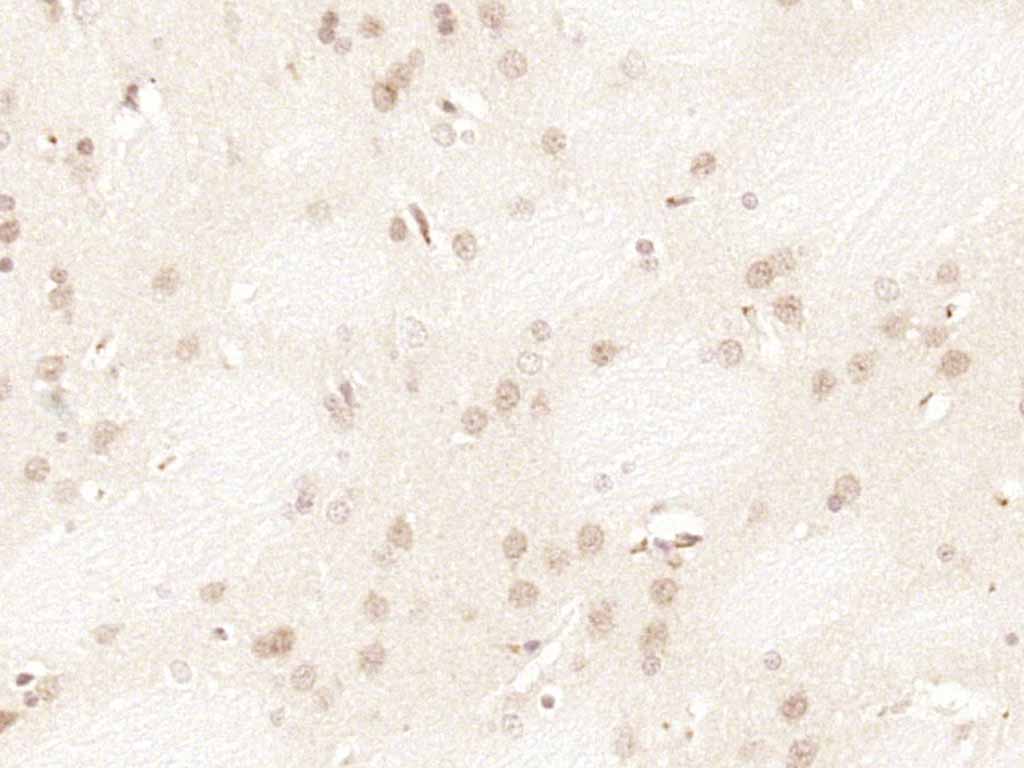
Figure 2. Paraformaldehyde-fixed, paraffin embedded (rat brain); Antigen retrieval by boiling in sodium citrate buffer (pH6.0) for 15min; Block endogenous peroxidase by 3% hydrogen peroxide for 20 minutes; Blocking buffer (normal goat serum) at 37°C for 30min; Antibody incubation with (CDKN2A) Polyclonal Antibody, Unconjugated (SL23797R) at 1:200 overnight at 4°C, followed by operating according to SP Kit(Rabbit) (sp-0023) instructionsand DAB staining
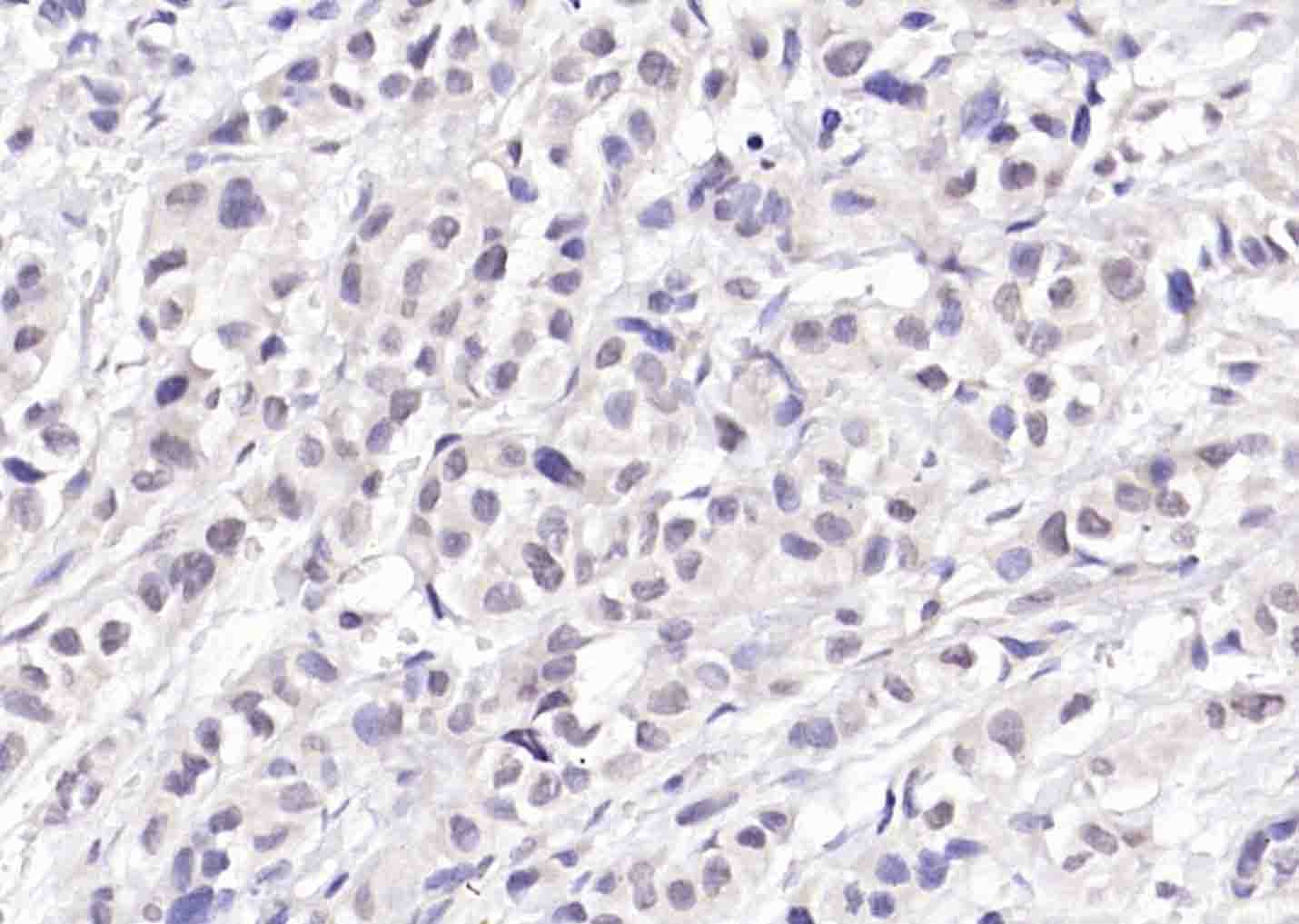
Figure 3. Paraformaldehyde-fixed, paraffin embedded (human breast carcinoma); Antigen retrieval by boiling in sodium citrate buffer (pH6.0) for 15min; Block endogenous peroxidase by 3% hydrogen peroxide for 20 minutes; Blocking buffer (normal goat serum) at 37°C for 30min; Antibody incubation with (CDKN2A/p16-INK4a) Polyclonal Antibody, Unconjugated (SL23797R) at 1:200 overnight at 4°C, followed by operating according to SP Kit(Rabbit) (sp-0023) instructionsand DAB staining
Ordering & shipping
- Minimum order: 1 unit
- Lead time: varies with order quantity and specifications. Please consult your local distributor or our sales team for confirmation
- Payment: T/T 100% in advance; PayPal; Alibaba Trade Assurance
- Shipping: FedEx / DHL / UPS express; cold-chain packing available on request
- Price: USD, per unit (50ul / 100ul)
Partial purchase records(bought amounts latest4)
| Username | Quantity | bought time |
| Ka*** | 1 | 2026-08-16 |
| Ow*** | 1 | 2026-05-27 |
| Ra*** | 1 | 2026-05-16 |
| Na*** | 1 | 2026-04-13 |
User Comment(Total0User Comment Num)
- No comment


 +86 571 56623320

 SUNLONG BIOTECH


